
 Tomatoes Diseases and pests
Tomato diseases
Brown leaves, mouldy fruit or a plant that wilts in the sun? Compare what you see with the photos and find out what the RHS advises.
In short
The most common tomato problems are blight, leaf mould in greenhouses, grey mould and blossom end rot. Blossom end rot is not a disease but a watering problem. Find your symptom in the table and compare it with the photo.
What problem can you see?

Quick check by symptom
| What you see | Likely cause |
|---|---|
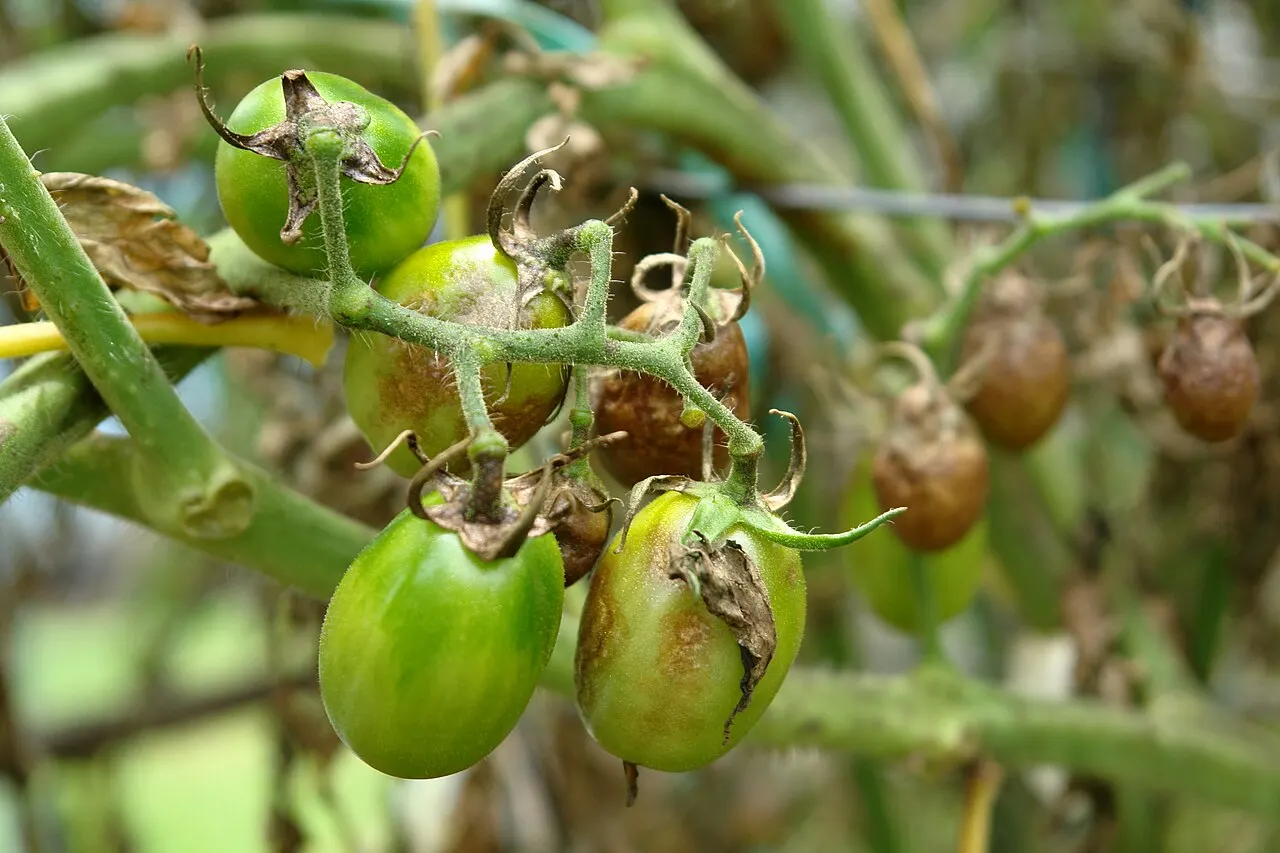
| Leaves rot fast, shrivel and turn brown, brown patches on stems and green fruit | Blight |
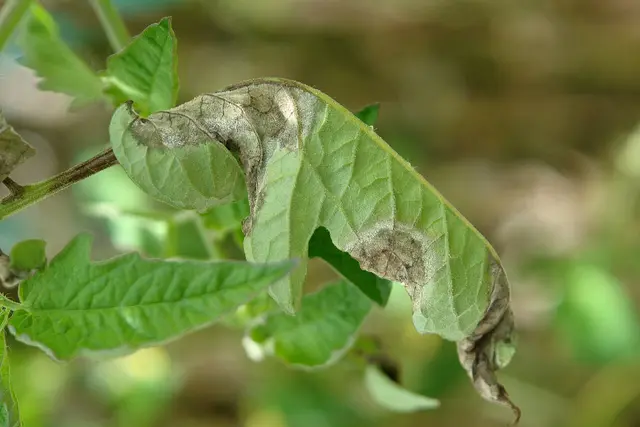
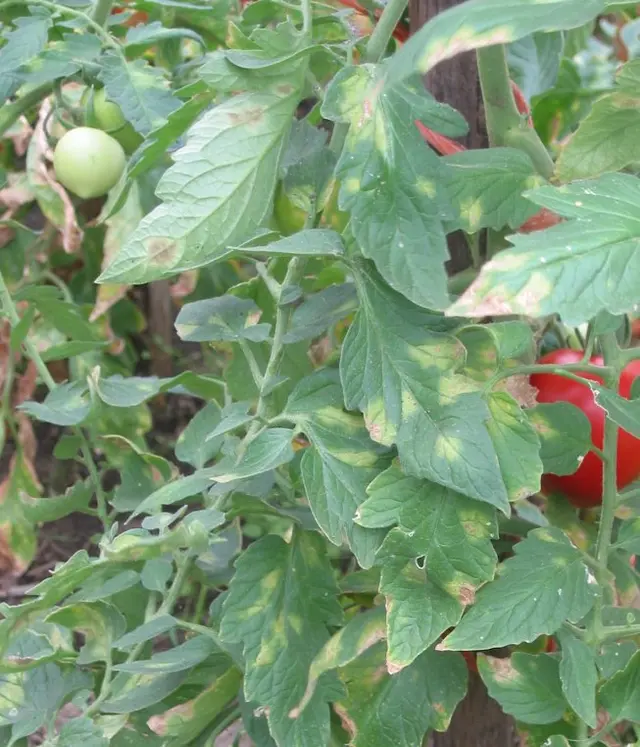
| Yellow blotches on top of the leaves, greyish brown mould underneath | Tomato leaf mould |
| Fuzzy grey brown mould on leaves, flowers or fruit | Grey mould |
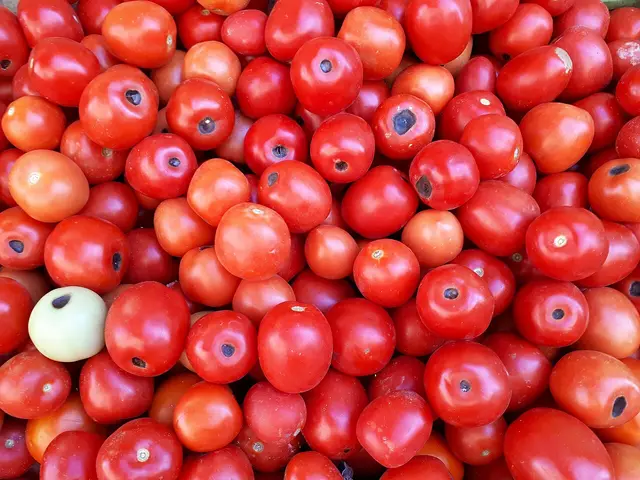
| Dark, sunken patch at the bottom of the fruit | Blossom end rot |
| Plant wilts in hot weather, lower leaves yellow and shrivel | Verticillium wilt |
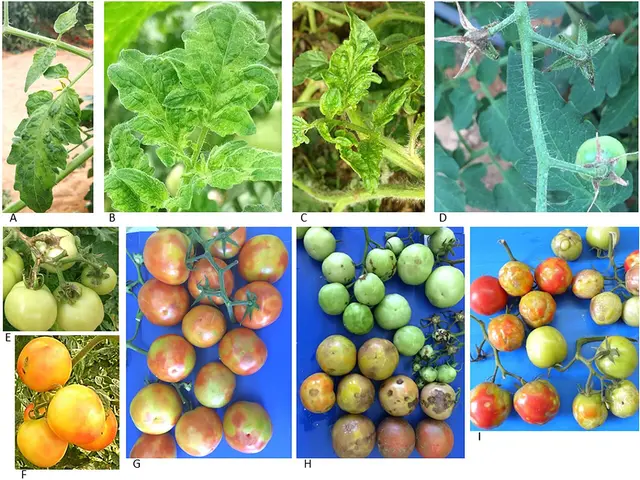
| Mottled, mosaic or fern-like distorted leaves, stunted plant | Tomato viruses |
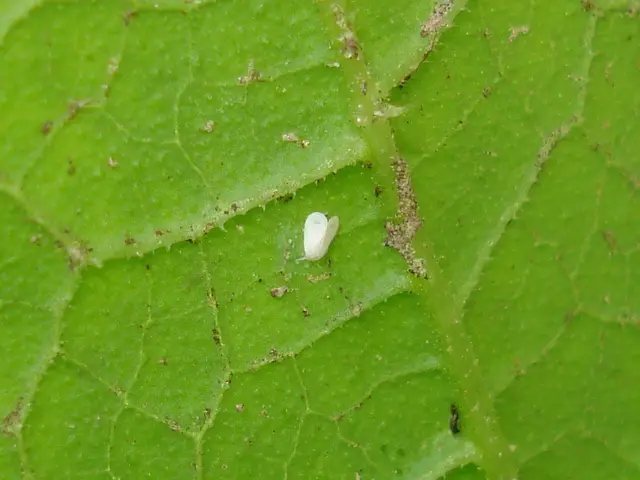
| Tiny white insects fly up when you touch the plant, sticky leaves | Glasshouse whitefly |
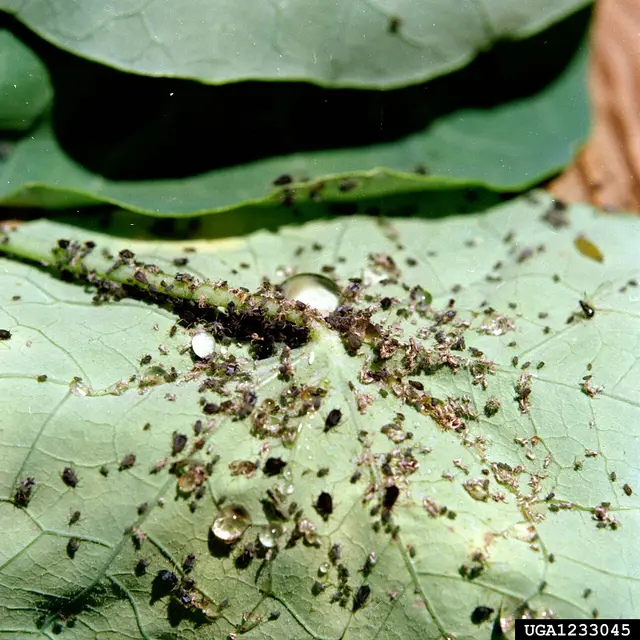
| Curled leaves with colonies of small insects and sticky honeydew | Aphids |
| Leaves curl but the plant otherwise looks healthy | Cold nights or aphids (leaf curl) |
Tomato blight

- How to spot it
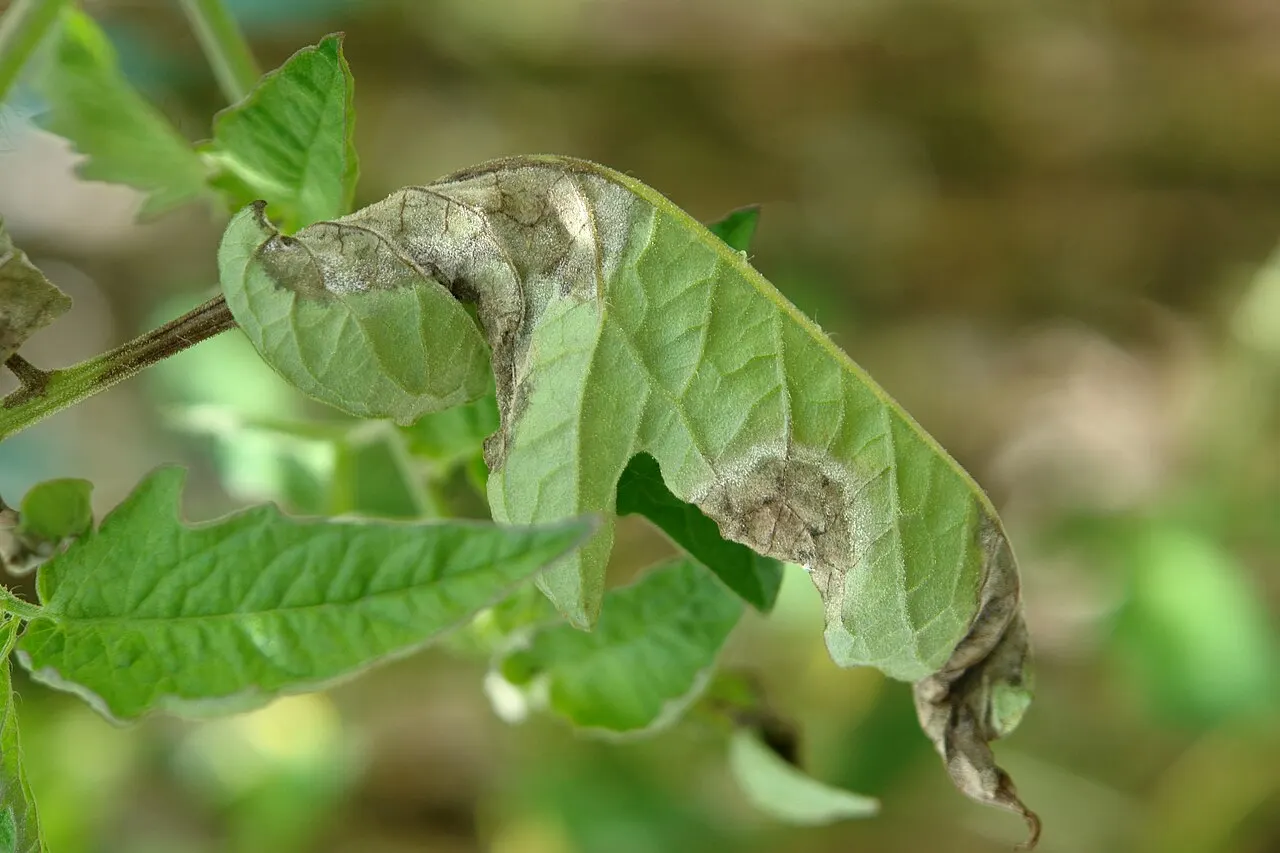
- A fast spreading, watery rot of the leaves, which collapse, shrivel and turn brown. In humid weather white growth can appear under the leaves. Brown patches form on leaf stalks and stems, and green fruit gets watersoaked patches that turn brown.
- What causes it
- A fungus-like organism, the same one that attacks potatoes. Infection needs several hours of wet leaves, so blight is most common in warm, wet weather. Outdoor tomatoes are most at risk.
- What to do
- Bury infected plants deeply or take them to the council green waste collection, rather than composting them. Use fruit from affected plants quickly. The RHS says there are currently no fungicides available to gardeners against blight.
- How to prevent it
- Grow resistant cultivars, though they are not usually completely immune. Rotate outdoor tomatoes, ideally for at least four years, and do not grow potatoes in that soil in the meantime. Do not reuse soil or compost from a blighted greenhouse crop.
Is it serious? Serious. It can kill leaves, stems or the whole plant, and mature fruit decays quickly.
↑ Back to the listTomato leaf mould

- How to spot it
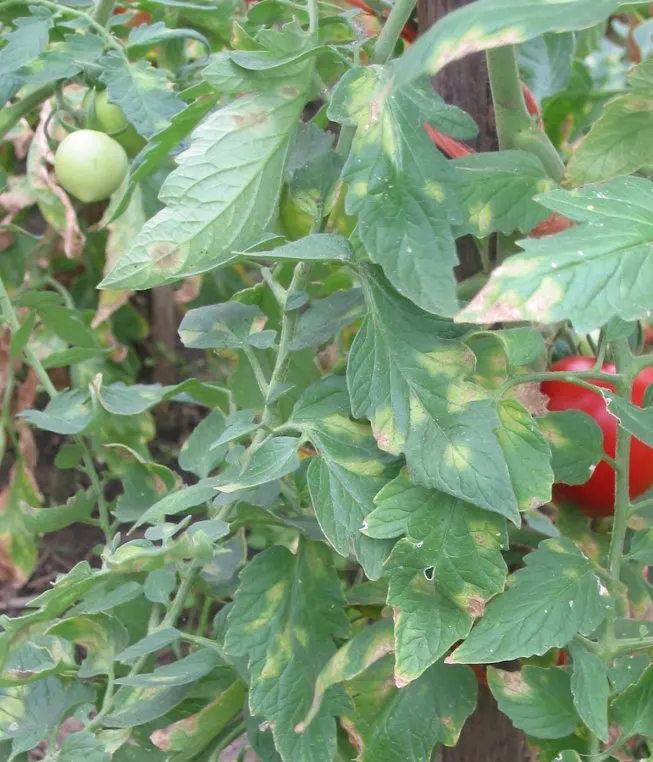
- Yellow blotches on the upper side of the leaves, with a pale greyish brown mould directly beneath them. Lower leaves are hit first. Badly infected leaves turn brown and shrivel but stay on the plant.
- What causes it
- The fungus Fulvia fulva. Warmth and high humidity favour it, so it is mainly a greenhouse problem and rarely seen outdoors.
- What to do
- Remove infected leaves as soon as they appear. Ventilate well, water without wetting the leaves and try to keep the temperature below about 21 °C. The RHS says no fungicides are available to home gardeners.
- How to prevent it
- Grow resistant cultivars, though they may not resist every strain. Trim some lower leaves once fruit has set to let air move. At the end of the season get rid of affected plants and debris and disinfect the greenhouse structure.
Grey mould (botrytis)
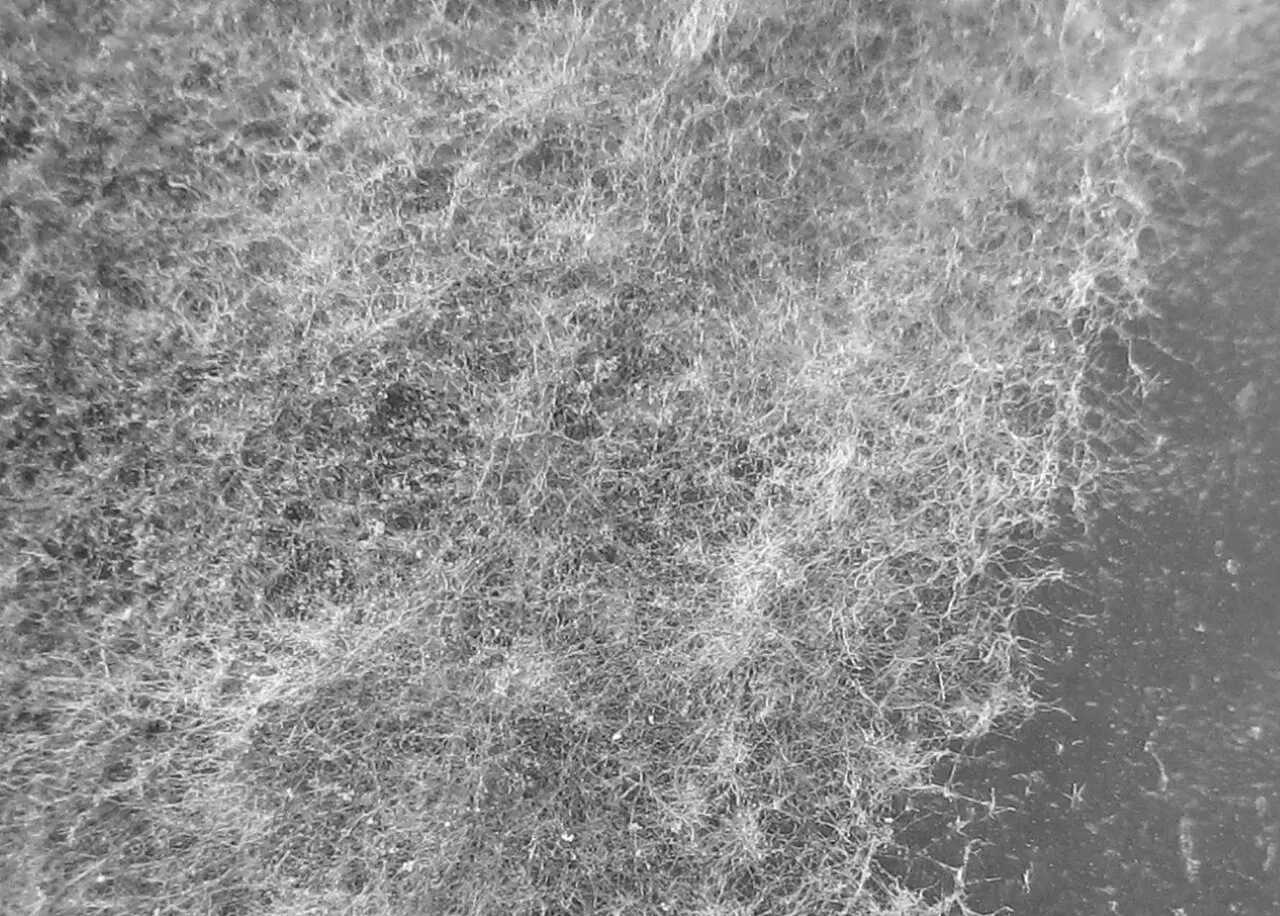

- How to spot it
- Fuzzy grey brown mould on decaying leaves, flowers or fruit. Buds and flowers shrivel and die. Small black, seed-like resting bodies can form on infected material.
- What causes it
- The fungus Botrytis cinerea. High humidity, especially under glass, crowded plants and wounded or stressed tissue all favour it.
- What to do
- Promptly remove dead and dying leaves, buds and flowers. Bag affected parts as you take them off, because the spores spread easily. The RHS says no fungicides are approved for use against grey mould by gardeners.
- How to prevent it
- Keep the greenhouse clean, ventilate it well and do not overcrowd plants.
Blossom end rot
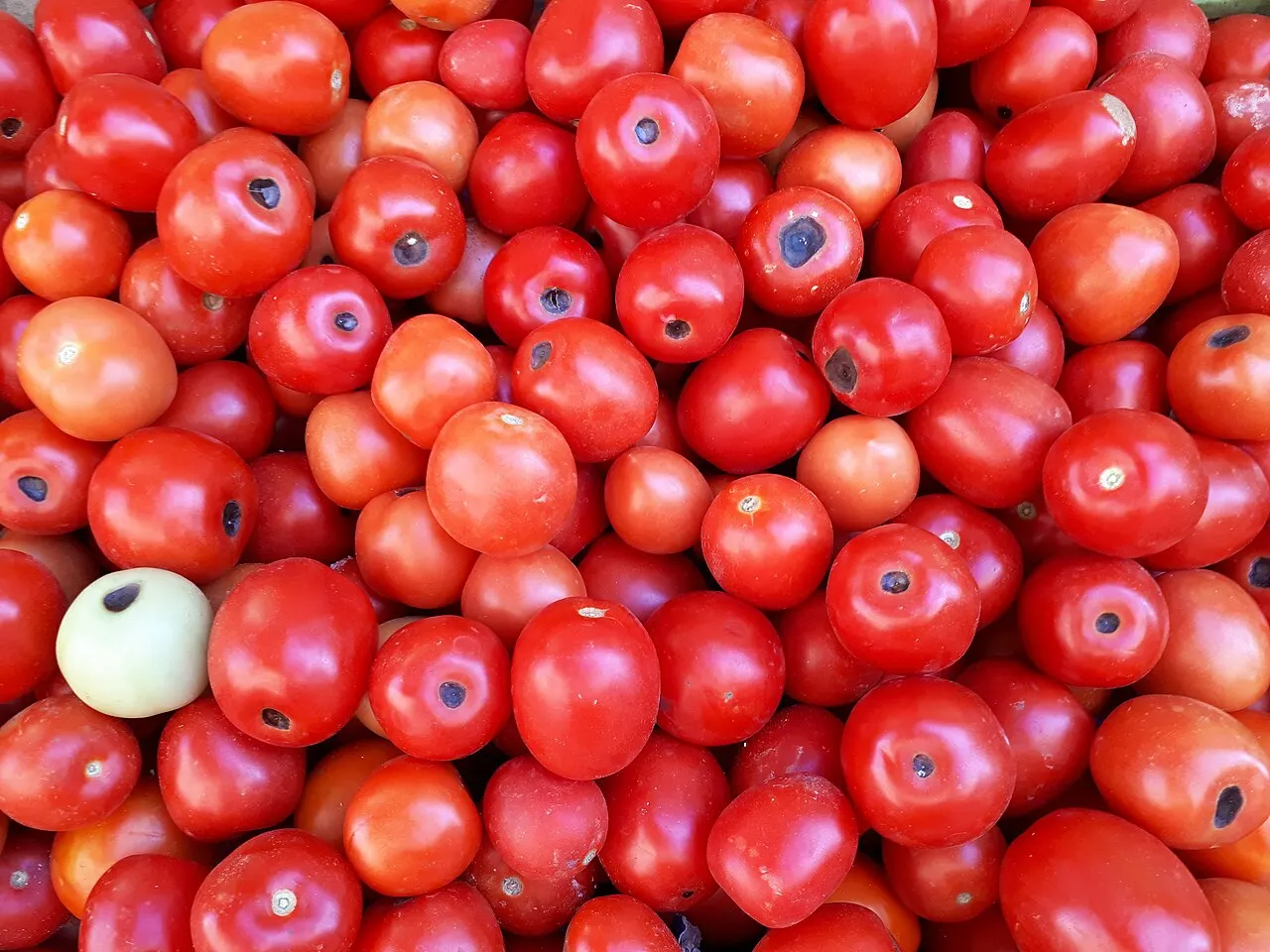

- How to spot it
- A round patch at the flower end of the fruit, the end furthest from the plant. It goes from greenish brown to black, sinks and flattens the end of the fruit. Patches are about 1 cm to 2.5 cm across or more.
- What causes it
- Calcium does not reach the end of the fruit because the water supply through the plant is uneven. The RHS says it is very rare for soil, growing bags or compost to lack calcium.
- What to do
- Nothing can save fruit that is already affected, so protect the next ones. Keep the compost moist all season and never let it dry out. In hot weather that can mean watering two or more times a day.
- How to prevent it
- Plants in pots and growing bags are most at risk. Automatic watering, bigger containers or planting in the border soil help where you cannot water often.
Is it serious? Not a pest or disease. The RHS says it is caused by growing conditions.
↑ Back to the listVerticillium wilt
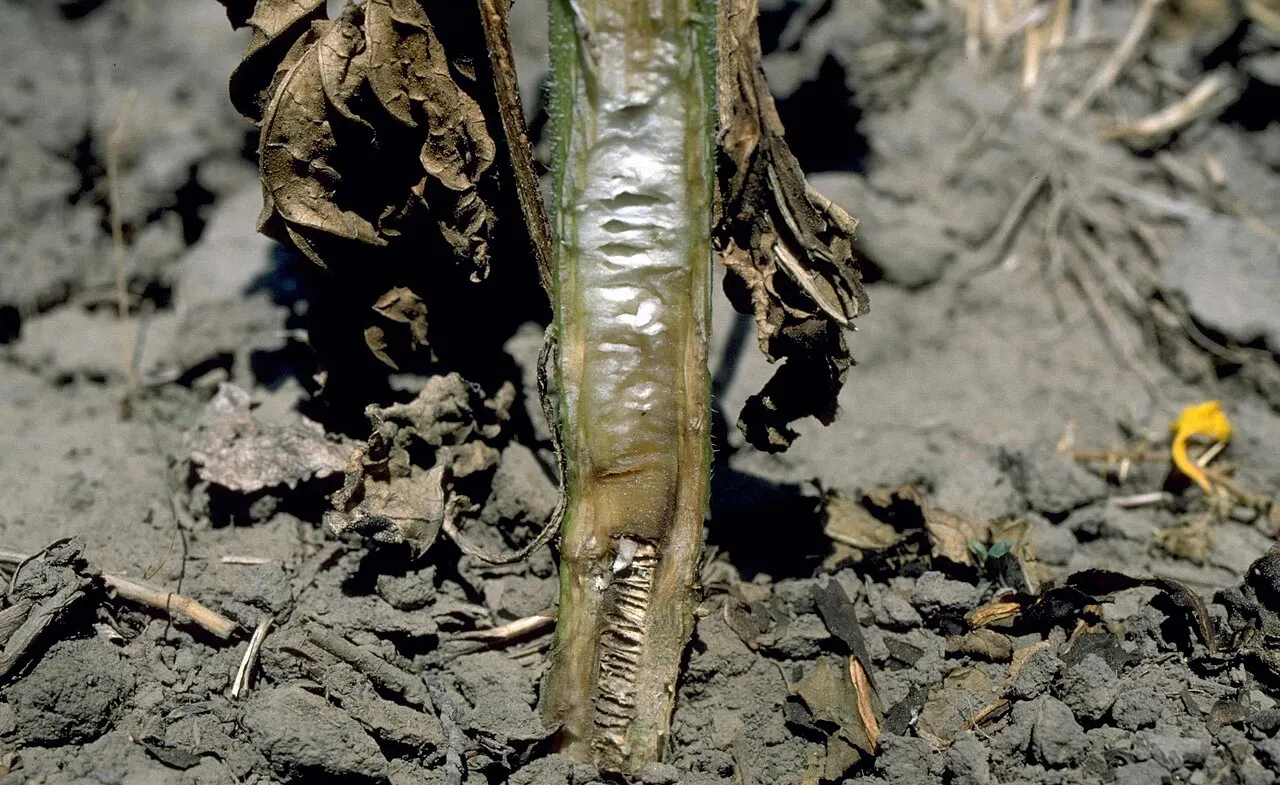

- How to spot it
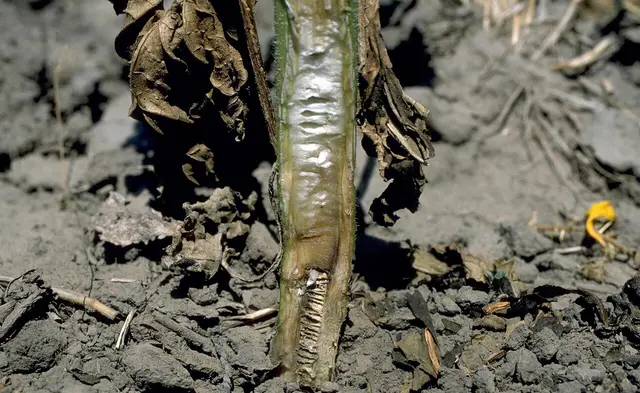
- Part or all of the plant wilts suddenly, especially in hot weather, and may recover when it is cooler or wetter. Lower leaves turn yellow and shrivel. Brown or black streaks can show inside the stem, seen as a ring of brown marks when you cut across it.
- What causes it
- Soil-borne fungi, Verticillium dahliae and V. albo-atrum. They survive in the soil for many years.
- What to do
- Where the disease is confirmed, remove the plant with as much of the root as possible and destroy it. The RHS says there are no chemicals available to treat it.
- How to prevent it
- Do not carry soil from infected ground on tools or muddy boots. Control weeds, because some are hosts without showing symptoms.
Tomato viruses (mosaic)
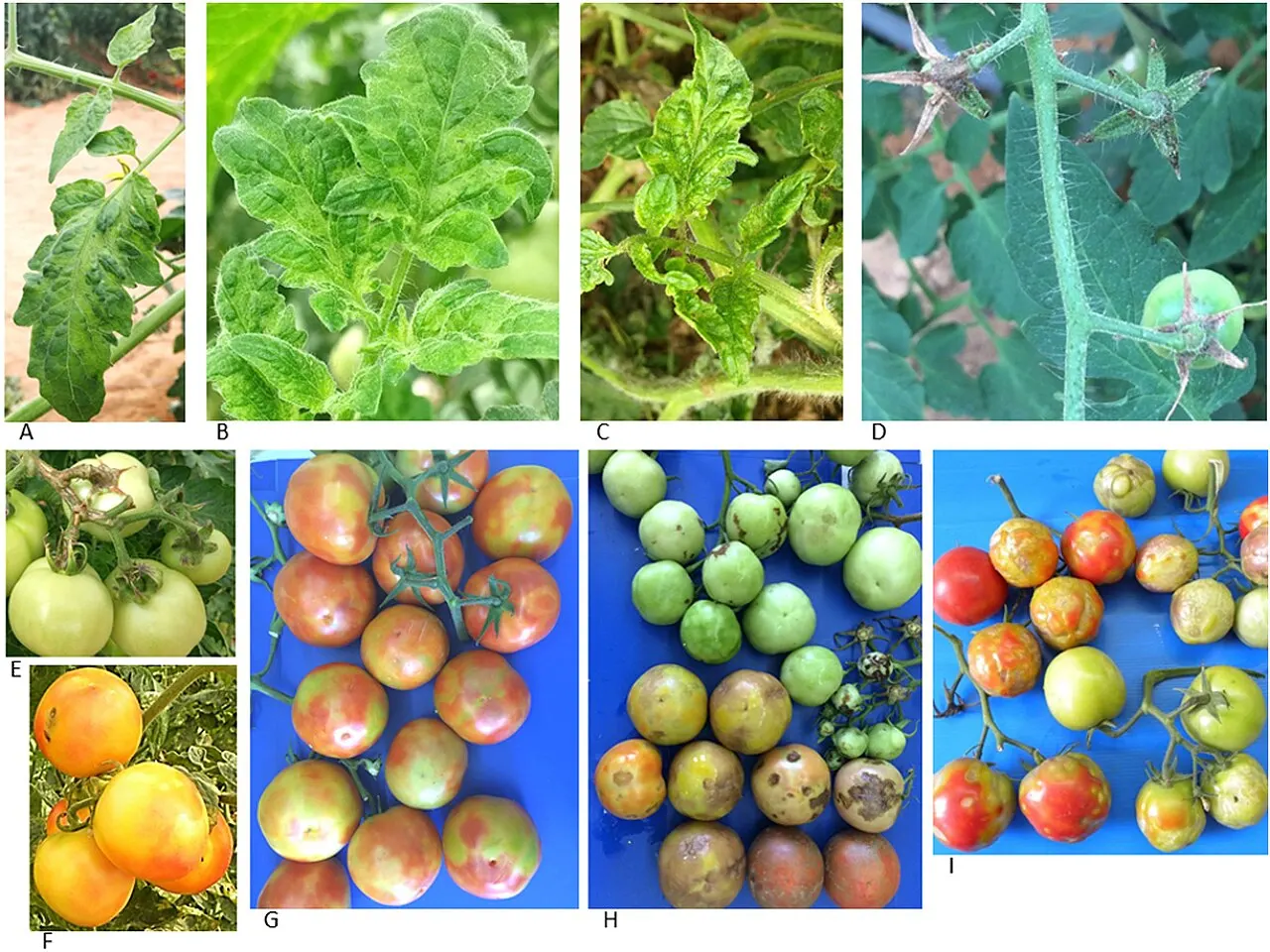

- How to spot it
- Lighter green mosaic patterns on the leaves, fern-like narrow leaves or a distorted, bubbly leaf surface. Plants are stunted and crop less. Fruit can ripen unevenly with pale patches.
- What causes it
- The RHS says more than 20 viruses affect tomatoes worldwide. They spread on hands and tools, in plant material, by insects such as aphids and thrips, and occasionally in seed.
- What to do
- Remove plants with symptoms promptly, as they infect healthy plants nearby. Wash hands and tools in hot soapy water. The RHS says there are no chemical controls.
- How to prevent it
- Raise plants from seed, choose cultivars with claimed resistance to tobacco mosaic virus and do not grow other susceptible plants close by.
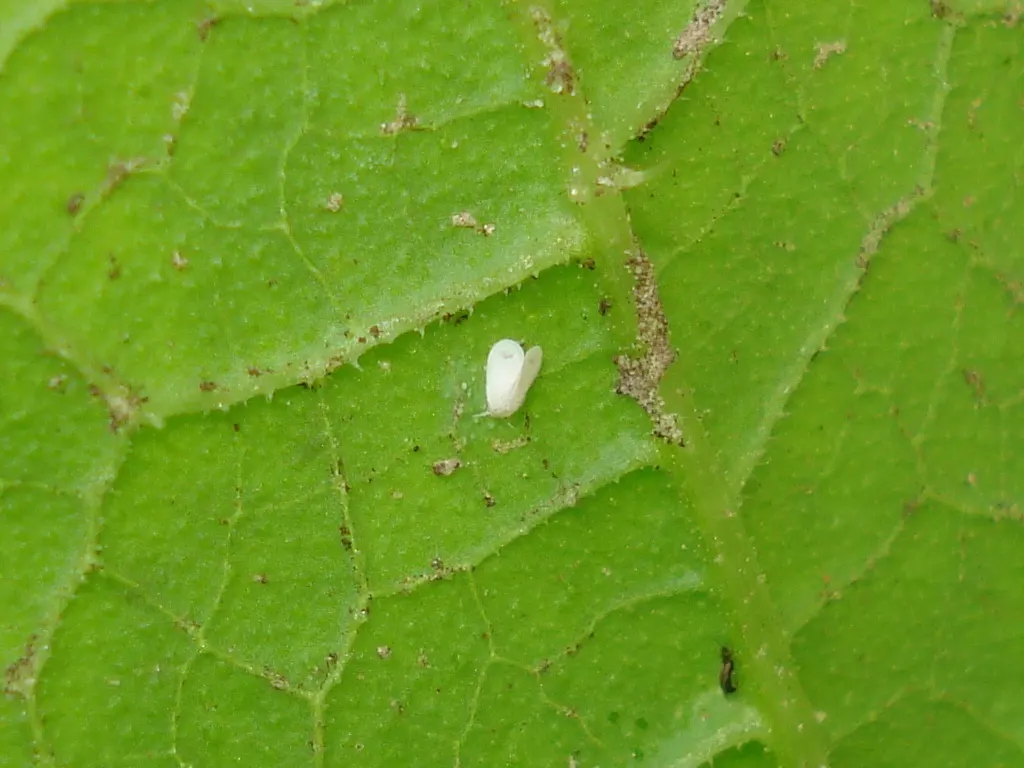
Glasshouse whitefly

- How to spot it
- White winged insects about 1.5 mm long fly up in clouds when you disturb the plant. Sticky honeydew coats leaves, stems and fruit, and black sooty mould grows on it.
- What causes it
- Trialeurodes vaporariorum, a sap-sucking bug that likes warmth. At 21 °C its life cycle can take about three weeks, at 10 °C several months. It can stay active over winter in an unheated greenhouse with host plants.
- What to do
- Introduce the parasitoid wasp Encarsia formosa early, before numbers build up. Remove unwanted host plants from the greenhouse. Good ventilation helps check the sooty mould. Yellow sticky sheets are mainly for monitoring, and they also catch useful wasps.
- How to prevent it
- Check new plants and keep them apart for a while. Clean the greenhouse in winter to cut the number that survive.
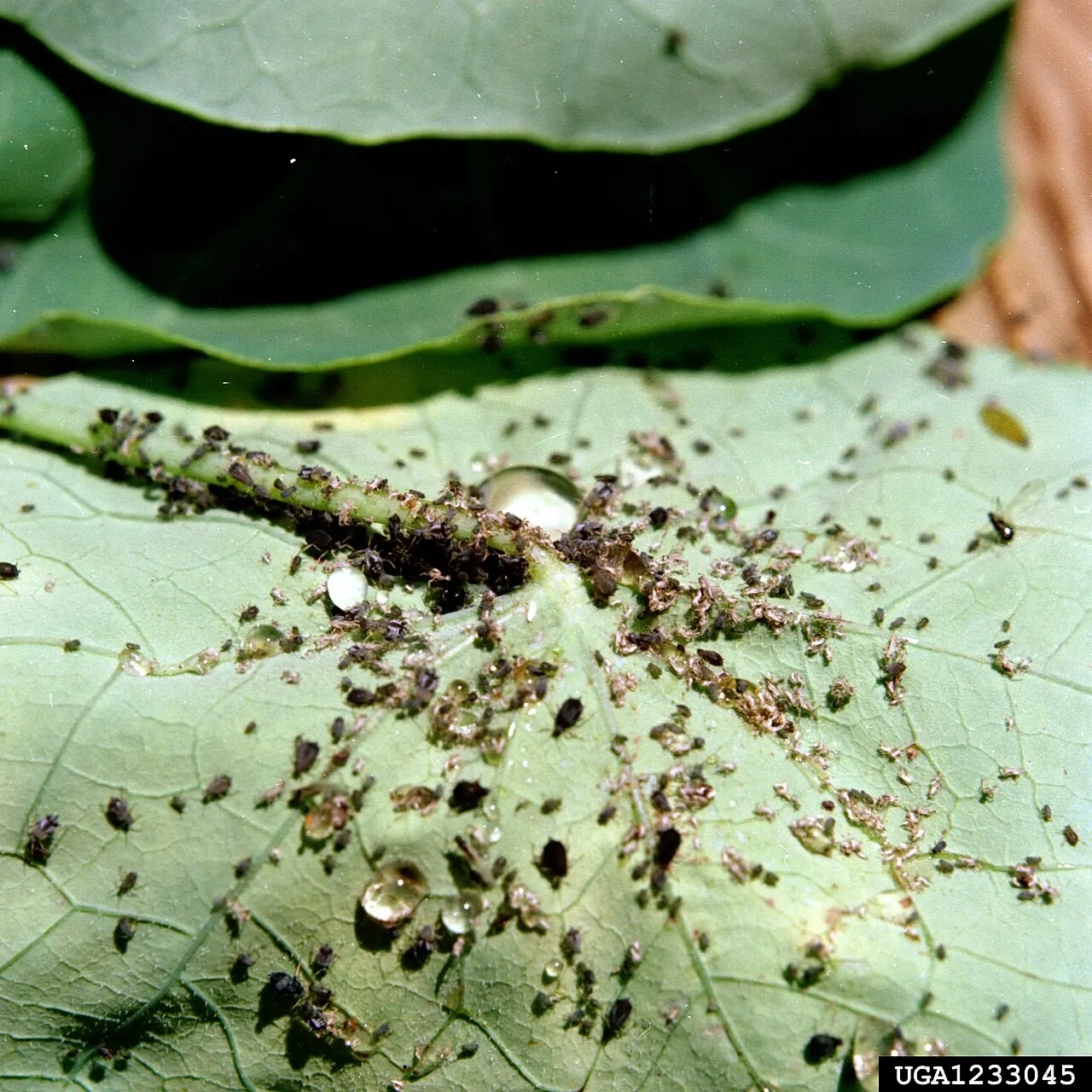
Aphids

- How to spot it
- Colonies of small sap-sucking insects, 1 to 7 mm long. Leaves curl or distort, growth is stunted, and sticky honeydew with black sooty mould appears.
- What causes it
- There are more than 500 aphid species in Britain. Outdoors they are active in spring and summer, indoors all year. Some spread viruses to tomatoes.
- What to do
- Squash colonies between finger and thumb. In a greenhouse you can buy biological controls such as hoverfly larvae, lacewing larvae and parasitoid wasps.
- How to prevent it
- Check plants often and encourage natural enemies such as ladybirds, hoverflies, ground beetles and parasitoid wasps. The RHS advises tolerating some aphids.
Is it serious? Rarely serious. The RHS says aphids very rarely kill plants.
↑ Back to the listProtection calendar
What to do and when, so you get fewer diseases and pests. Use only plant protection products authorised in the UK, as the label says.
- Before plantinggreenhouseDo not reuse soil or compost from a blighted greenhouse crop. Clean supports, tools and greenhouse glass.
- All seasonWater regularly so the compost never dries out, and water at the base without wetting the leaves.
- Early in the seasongreenhouseIntroduce Encarsia formosa against whitefly before numbers build up.
- From JuneWatch for blight, especially in warm, wet weather. Outbreaks usually start earliest in the South West.
- End of the seasongreenhouseRemove affected plants and debris, and disinfect the greenhouse structure.
- WintergreenhouseClean the greenhouse to reduce the whitefly that survive the winter.
Home remedies: what works
The internet is full of folk remedies. Here is what the sources say about them.
- Does not workCalcium sprays for blossom end rot
The RHS says foliar sprays of calcium salts such as calcium nitrate are not effective. The nitrate can even encourage lush growth that leaves less calcium for the fruit.
- WorksSquashing aphids
The RHS lists squashing colonies between finger and thumb as a control, as long as you check plants often and act early.
- Does not workPicking off blighted leaves
The RHS says picking off a few affected leaves may slow blight slightly but will not get rid of the problem.
Common questions
Why are my tomatoes going black at the bottom?
That is blossom end rot. The RHS says it is caused by an uneven water supply, which stops calcium reaching the end of the fruit, not by a lack of calcium in the soil. Keep the compost moist all season and never let it dry out.
Why are my tomato leaves curling?
The RHS says curling leaves are usually caused by variable night temperatures or by aphids. Curling from cold nights usually disappears by itself as nights warm in late summer and does not seem to cause much loss of crop. Tomatoes will not thrive below 12 °C.
What can I spray on tomatoes against disease?
Very little. The RHS says no fungicides are available to gardeners against blight or tomato leaf mould, none are approved for grey mould, and there are no chemical controls for viruses or verticillium wilt. The RHS does not support the use of pesticides. If you use any product, use only one authorised in the UK and follow the label.
Can I eat tomatoes from a plant with blight?
Use them quickly. The RHS says many fruit may be infected even without symptoms, and unripe fruit may be better used in chutneys or sauces than ripened indoors.
Can I put blighted tomato plants on the compost heap?
Sources disagree. The RHS says to bury infected material deeply or take it to the council green waste collection rather than compost it. Garden Organic says blight-affected tomato and potato foliage is fine in a hot or cold heap. Its general rule is: if in doubt, leave it out.
Why do older tomato leaves go yellow or purple between the veins?
The RHS says this is often caused by a lack of nutrients, usually magnesium. If it shows only on the older leaves, it says there is no cause for concern.
Is it a virus or weedkiller damage?
Hard to tell by eye. The RHS says hormone weedkillers can cause stunting, distortion and fern-like leaves that look like a virus. Tomatoes are particularly sensitive, and these weedkillers are volatile, so they can act from a distance. Plants usually recover once the source is removed, but they do not recover from a virus.
Sources
We wrote this page using the sources below.
- Tomato blight, Royal Horticultural Society (RHS)
- Tomato leaf mould, Royal Horticultural Society (RHS)
- Grey mould, Royal Horticultural Society (RHS)
- Blossom end rot, Royal Horticultural Society (RHS)
- Verticillium wilt, Royal Horticultural Society (RHS)
- Tomato viruses, Royal Horticultural Society (RHS)
- Glasshouse whitefly, Royal Horticultural Society (RHS)
- Aphids, Royal Horticultural Society (RHS)
- Tomatoes: leaf problems, Royal Horticultural Society (RHS)
- Composting hints and tips, Garden Organic