
 Raspberries Pruning
How to prune raspberries
There are only two ways to prune a raspberry, and which one you need depends on a single question: does your plant fruit on last year's canes or on this year's?
In short
Summer fruiting raspberries: straight after harvest, cut every fruited cane to the ground and keep the six to eight strongest new canes per plant, the RHS says. Autumn fruiting raspberries: cut all the canes to ground level in February. Prune in dry weather.
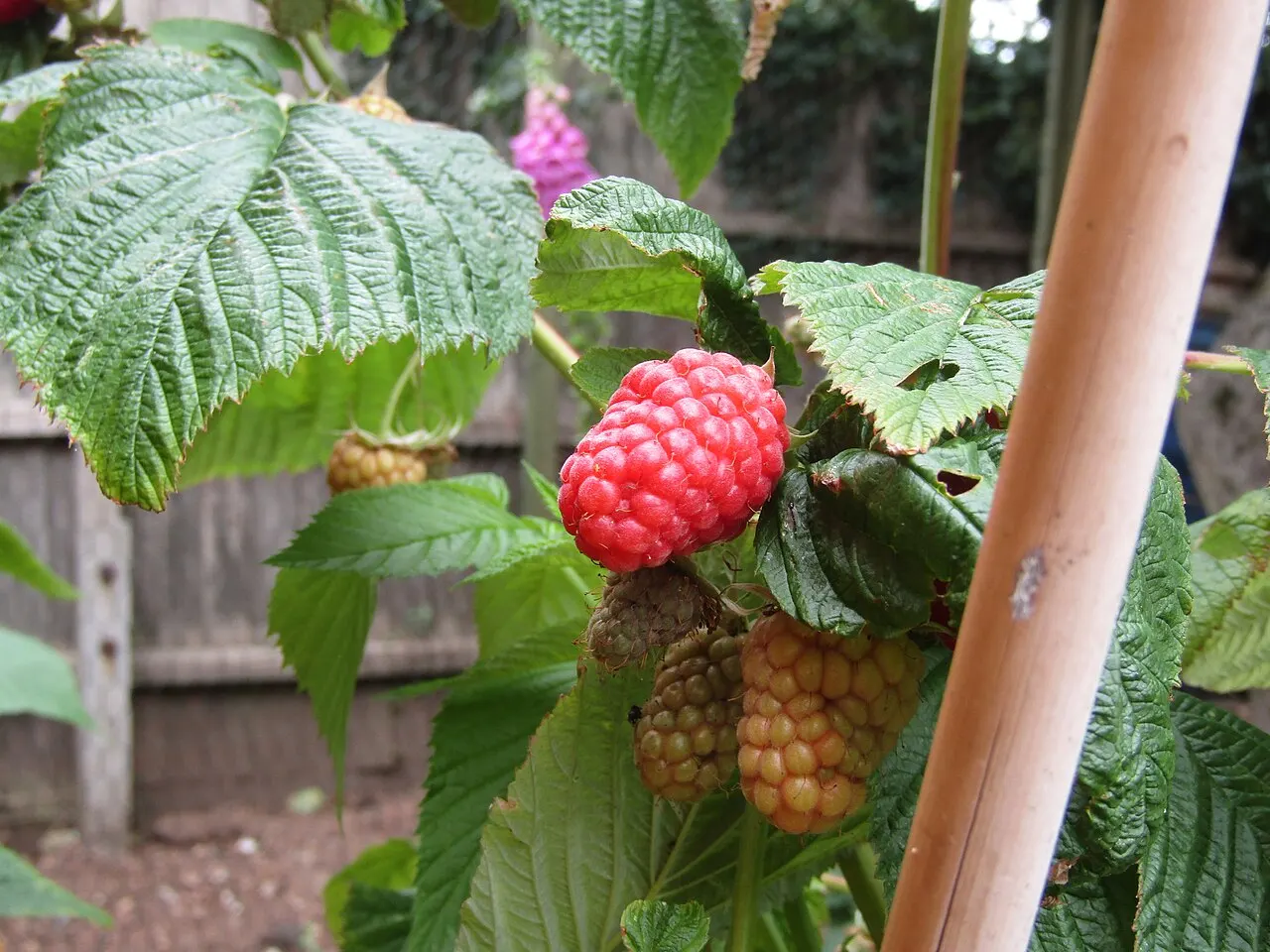

First, which raspberry do you have?
Everything on this page follows from one fact about how raspberries grow. The RHS divides them into two groups.
Summer fruiting raspberries fruit on last year's stems. The RHS calls these plants floricanes. A cane grows one summer, fruits the next, and is then finished. Garden Organic says the same: summer raspberries produce fruit on growth from the year before.
Autumn fruiting raspberries fruit on the current season's canes. The RHS calls them primocanes. Each cane grows and fruits in the same year.
If you do not know which you have, the plant will tell you.
- When does it crop? The RHS says summer varieties usually crop from June into September, and autumn varieties from August into October. - How tall is it? Summer types reach about 1.8 m. Autumn types reach 1.2–1.5 m. - When did it first fruit? Summer types usually fruit from their second summer. Autumn types can fruit in their first year.
If you are still choosing and planting, start with how to grow raspberries. This page is about the cuts.
Raspberries: what to do and when
Under cover and outdoors, for UK conditions. The weather differs from year to year and from north to south, so check your local conditions too.
Why raspberries need pruning every year
A fruited summer cane will not fruit again. BBC Gardeners' World explains what happens if you leave it. The plants become congested, they produce smaller fruit, and the fruited canes gradually weaken and die.
Pruning also makes room. Gardeners' World points out that these plants send up new canes from the roots each year. The fruited canes have to go so that the new ones can be tied in.
There is a health reason as well. The RHS advice on raspberry spur blight, a fungal disease, begins with this: avoid overcrowding.
The reward for the work is a long one. The RHS says that with regular pruning and support, plants can keep cropping for up to ten years. BBC Gardeners' World says they often fruit for ten years or more.
The first cut after planting
Pruning starts on planting day. The RHS cuts newly planted canes down to 25 cm tall.
There is one exception. Summer fruiting canes sold as long canes are not cut down. If you cut them, the RHS says, you lose that season's fruit.
BBC Gardeners' World notes that canes are usually sold already pruned and ready to plant. If yours are not, it cuts them down to 15–22 cm. The two figures are close. Either way, the cane you plant is a short one.
Pruning summer fruiting raspberries
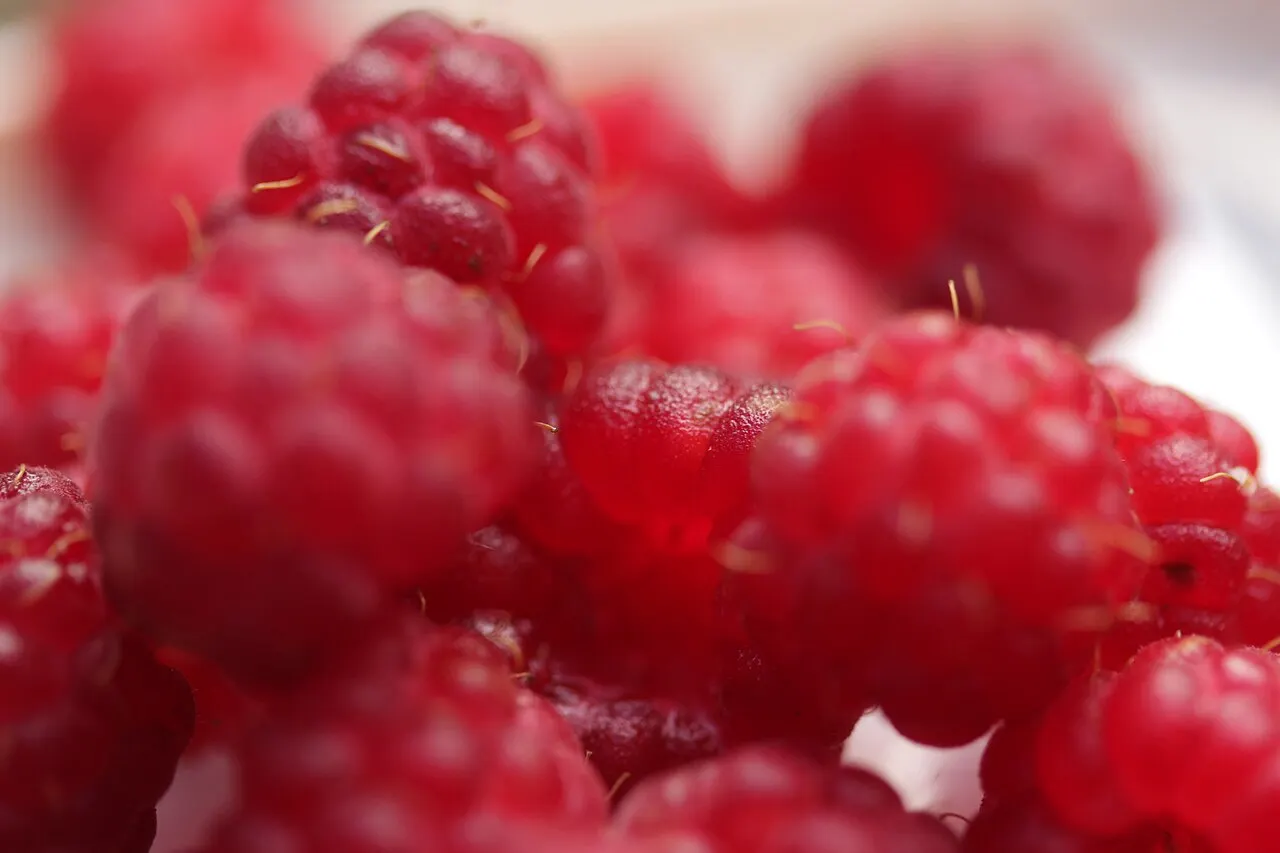

When. The RHS prunes summer raspberries straight after harvest. BBC Gardeners' World says the same: start once you have picked all the crop. Garden Organic lists the pruning time simply as autumn. If you missed the moment, Gardeners' World says in its autumn pruning guide that you can still take the old stems out then.
Step 1: remove everything that fruited. Work along the row and cut each fruited cane right down at the base. Take care not to damage the new canes beside them.
How to tell old from new. Gardeners' World gives the clearest description. Old canes are brown and still carry the remains of the fruit stalks. New canes are bright green. In another guide it calls the old canes russet-brown.
Step 2: choose the canes for next year. The RHS keeps the six to eight strongest new green canes on each plant. All the other new canes are cut to ground level. Gardeners' World tells you which to take out first: canes thinner than a pencil, canes that are too close together, and canes that have come up too far from the row.
Step 3: tie them in. Tie the chosen canes to the wires. Garden Organic ties new canes to horizontal wires as well.
How far apart? Here the sources differ.
- The RHS ties the canes in about 10 cm apart. - BBC Gardeners' World aims for about 20 cm apart in its pruning guides, and 15 cm in its growing guide.
None of them explains the difference. The RHS and Gardeners' World both warn against crowded canes.
Canes taller than the top wire
Some new canes grow taller than the top wire. The RHS supports summer types on posts about 1.8 m tall, and a strong cane can go beyond them.
The RHS deals with these in two stages.
1. After the summer prune, loop the long tips over and tie them in temporarily. 2. In February, trim each one to a bud about 10 cm above the top wire.
Pruning autumn fruiting raspberries
Autumn raspberries are the easy ones. They fruit on canes made in the same year, so nothing needs to be kept.
When. The RHS cuts all the fruited canes to ground level in February. BBC Gardeners' World gives January to February, and in its growing guide says simply to cut them to the ground in winter.
How. Cut every cane, right to the ground. Gardeners' World explains that this is what ensures a good crop later the same year.
Then thin in early summer. New canes come up thickly in spring. The RHS thins overcrowded clumps in early summer, so that the remaining canes stand about 10 cm apart. Gardeners' World does the same job in summer and also removes any canes that have appeared away from the row.
Supports. Autumn canes are shorter. Gardeners' World says they do not usually need support in the way summer raspberries do. The RHS uses low parallel wires on posts about 60 cm tall, and the canes do not need tying in.
Double cropping: two harvests from autumn raspberries
You can ask an autumn raspberry to fruit twice. The RHS calls this double cropping and sets conditions for it.
Which plants. Only well-established ones. The RHS says they should be two or three years old and growing strongly. It names 'Joan J' and 'Polka' as suitable varieties.
What to do in February. Instead of cutting everything down:
1. Choose six to eight of the strongest canes per metre of row. 2. On those, cut off only the upper part that fruited. 3. Cut all the other canes to ground level.
What happens next. The half-pruned canes fruit in summer. When that crop is over, cut them to ground level. The new canes of the current year then fruit in autumn as usual.
What you get. The RHS is honest about it: a modest summer crop and a slightly smaller autumn crop, but a longer season overall.
Suckers, wires and where the canes go
Suckers. Raspberries spread. New suckers come up in spring, the RHS says, and any that appear outside the intended row should be removed. Healthy suckers need not be wasted. They can be dug up when dormant and replanted elsewhere.
Keep old and new apart. On a single fence of posts and wires, the RHS ties the canes to one side and keeps fruited canes and new canes on opposite sides. At pruning time the canes to cut are all on one side.
The fence itself. For summer types, the RHS uses posts about 1.8 m tall with three wires at 60 cm intervals, and extra posts every 3.6 m if needed. BBC Gardeners' World puts up strong 2 m posts at either end of the row and runs wires between them.
Parallel wires. In a small space, summer raspberries can also grow between two parallel wires without being tied. The RHS warns that this system carries more risk of fungal problems and makes harvesting harder.
Prune on a dry day: cane blight and spur blight
Two fungal diseases have a direct link with pruning. Both are described by the RHS.
Raspberry cane blight. The RHS calls it a common and serious disease that causes extensive die-back of canes. It is visible from mid-summer onwards. Leaves on the fruiting canes wither and the canes die. The wood becomes so brittle that canes snap off easily at the base.
Infection invariably enters through a wound, and the RHS lists pruning damage among the causes. So its advice is about how you prune:
- Prune only during dry periods. - Handle canes carefully to avoid unnecessary damage. - Where the disease develops, cut out and dispose of affected canes. - Cut them back to below soil level, and disinfect the secateurs between cuts.
Raspberry spur blight. Look for conspicuous purple patches on new canes in late summer, centred around the buds. Through autumn and winter they fade to pale grey or silver. Many buds on those canes fail to grow in spring. The RHS says it rarely kills plants but can severely reduce the yield.
The defence is the pruning on this page. Avoid overcrowding, and remove young canes you do not need as early in the spring as possible. Cut out and dispose of badly affected canes. The RHS also warns against applying too much nitrogen.
After pruning
Mulch. In late winter or early spring, the RHS spreads a 5–7.5 cm layer of organic mulch along the row, leaving a gap around the stems. You can read more in mulching.
Feed only if needed. The RHS does not feed raspberries as a routine. It feeds only if harvests are poor or the plants show signs of deficiency, using an organic granular fertiliser in early spring.
Water. Water well after planting and during long dry spells in the first season.
Garden Organic's advice for harvest time is short: pick raspberries when they are fully coloured.
Pruning other soft fruit this winter? See pruning blackcurrants.
Raspberry pruning at a glance
| Job | When | What to do |
|---|---|---|
| Newly planted canes | After planting | Cut down to 25 cm. Do not cut summer fruiting 'long canes' |
| Summer fruiting, main prune | Straight after harvest | Fruited canes to ground level. Keep the 6–8 strongest new canes per plant |
| Summer fruiting, spacing | At the same time | Tie new canes in about 10 cm apart (RHS); about 20 cm apart (Gardeners' World) |
| Summer fruiting, tall tips | February | Trim to a bud about 10 cm above the top wire |
| Autumn fruiting, main prune | February | All fruited canes to ground level |
| Autumn fruiting, thinning | Early summer | Thin crowded clumps so canes stand about 10 cm apart |
| Double cropping | February, then after the summer crop | Keep 6–8 canes per metre and remove only the fruited top. Cut them down after their summer crop |
| Suckers outside the row | When they appear, from spring | Remove them |
How to do it
- Find out which type you have. Summer types fruit on last year's canes, autumn types on this year's.
- Choose a dry day. The RHS prunes raspberries only during dry periods.
- Summer fruiting: as soon as picking ends, cut every brown, fruited cane to ground level.
- Keep the six to eight strongest new green canes on each plant and cut the rest to the ground.
- Tie the canes you keep to the wires, evenly spaced.
- Loop over any canes taller than the top wire. Trim them in February.
- Autumn fruiting: in February, cut all the canes to ground level.
- In early summer, thin autumn canes where they are crowded.
Common questions
When should I prune raspberries in the UK?
It depends on the type. The RHS prunes summer fruiting raspberries straight after harvest and autumn fruiting raspberries in February. BBC Gardeners' World gives January to February for autumn types.
How do I know which raspberry canes to cut?
On summer raspberries, cut the canes that fruited. BBC Gardeners' World says old canes are brown and still carry the remains of fruit stalks, while new canes are bright green. On autumn raspberries, all the canes are cut to the ground.
How many raspberry canes should I leave?
The RHS keeps the six to eight strongest new canes on each summer fruiting plant and cuts the rest to ground level. For double cropping autumn types, it keeps six to eight canes per metre of row.
What happens if I do not prune raspberries?
BBC Gardeners' World says unpruned plants become congested and produce smaller fruit, and that the fruited canes gradually weaken and die. The RHS advice on spur blight is to avoid overcrowding.
Can I cut summer raspberries to the ground in winter?
No. Summer raspberries fruit on last year's stems, the RHS says, so cutting every cane down removes next summer's crop. Only the fruited canes are removed. Cutting everything to the ground in February is for autumn fruiting types.
How far apart should raspberry canes be after pruning?
The RHS ties summer canes in about 10 cm apart and thins autumn canes to about 10 cm. BBC Gardeners' World gives about 20 cm in its pruning guides and 15 cm in its growing guide.
Sources
We wrote this page using the sources below.
- How to grow raspberries, Royal Horticultural Society (RHS)
- Raspberry cane blight, Royal Horticultural Society (RHS)
- Raspberry spur blight, Royal Horticultural Society (RHS)
- Raspberry growing guide, Garden Organic
- Prune summer-fruiting raspberries, BBC Gardeners' World Magazine
- Tips for pruning cane fruits, BBC Gardeners' World Magazine
- How to grow raspberries, BBC Gardeners' World Magazine
- What to prune in autumn, BBC Gardeners' World Magazine