
 Salvias Pruning
Pruning salvias
Salvia is a huge group, from summer bedding to woody sage. Work out which kind you have and the pruning falls into place.
In short
It depends on the type. Herbaceous salvias are cut near the ground when flowers fade in July, then again in autumn or spring. Shrubby salvias are cut to about 10 cm in late March or April. Tender salvias and sage are pruned in spring, the RHS says.
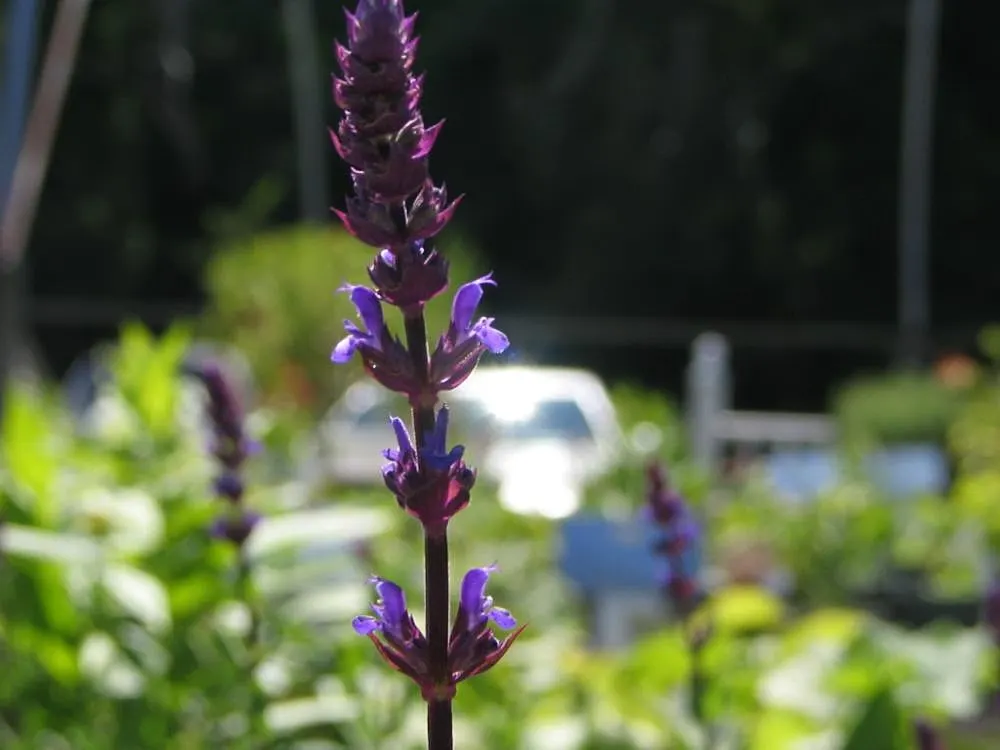

First, which salvia do you have?
Salvia is a big group, and the pruning depends on the type. The RHS sorts salvias into five main categories: bedding, annual and biennial, border, tender, and culinary. Gardeners' World uses four: annual, herbaceous perennial, tender perennial and shrubby.
In practice there are four questions to ask about your plant.
- Does it die down to the ground each winter? Then it is a herbaceous border salvia, such as *S. nemorosa* or *S.* × *sylvestris*. - Does it keep woody stems above ground? Then it is shrubby. The RHS lists semi-evergreen kinds such as *S. greggii*, *S. microphylla* and *S.* × *jamensis*, and the deciduous *S. yangii*, formerly known as *Perovskia*. - Does it need bringing in for winter? Then it is tender. The RHS names *S.* 'Amistad', *S. leucantha* (Mexican bush sage) and *S. guaranitica* 'Black and Blue' among them. - Do you cook with it? Then it is culinary. The RHS now counts both sage and rosemary as salvias.
Where the sources differ. Gardeners' World files *S. greggii* under tender perennials, while the RHS puts it among the hardy shrubby border salvias. Our reading: if you are unsure, prune by what the plant does, woody or herbaceous, and protect it in winter if your garden is cold.
Salvias: what to do and when
Under cover and outdoors, for UK conditions. The weather differs from year to year and from north to south, so check your local conditions too.
Herbaceous salvias: two cuts a year
These are the salvias of the summer border: *S. nemorosa* and *S.* × *sylvestris* in the RHS guide, with varieties such as 'Caradonna' named by Gardeners' World.
The July cut. When the flowers fade in mid-summer, in July, the RHS cuts the plants to near ground level. They come back for a second flush of flowers. Gardeners' World does the same: cut back after the first flowers fade in July for another display later in the summer. For 'Caradonna' it offers a choice: deadhead to prolong flowering, or cut back hard in July.
The winter cut: autumn or spring? Here the two sources part ways.
- RHS: cut back again in autumn, unless you live somewhere cold or exposed. There, wait until spring, because the top growth protects the base of the plant over winter. - Gardeners' World: do not cut back salvias in autumn. Wait until late spring, because the old growth gives the plant some protection against the cold. Then cut the top growth to quite low down, above the fresh shoots appearing at the base.
Our reading: both agree on the reason, protection from the cold. In a mild, sheltered garden an autumn tidy is the RHS option. Anywhere colder, or if in doubt, leave the stems until spring and cut once you can see the new shoots.
Do not give up too soon. Gardeners' World says that if a salvia shows no sign of regrowth by mid-June, it has probably died.
Shrubby salvias: a spring cut to about 10 cm
The semi-evergreen shrubby salvias, *S. greggii*, *S. microphylla* and *S.* × *jamensis* among them, are pruned in mid-spring, in late March or April, the RHS says. You have two options:
- Cut back the woody stems to about 10 cm tall. - Or keep the height and simply remove dead or damaged shoots.
A summer trim for more flowers. If flowering stops in July, the RHS gives a light trim just below the faded flowers. It encourages a late flush in late summer and autumn.
Deciduous *S. yangii*. The RHS leaves its stems standing over winter. In March or April it prunes hard, to a framework 5–10 cm tall, above the new shoots at the base.
Cold gardens. In regions with harsh winters, the RHS wraps shrubby semi-evergreen salvias in horticultural fleece or brings them under cover. It notes that heavier grades of fleece give about 2 °C of frost protection.
Our reading: spring pruning lets you see what the winter has done before you cut. Wait for the new growth, then cut above it.
Tender salvias: protect first, prune in spring
The RHS says tender salvias need winter protection in all but the mildest places. They won't survive hard frosts or prolonged cold or wet. Their value is late colour: the RHS describes them as great for fresh colour in late summer and early autumn. Gardeners' World gives 'Amistad' a hardiness rating of H3, hardy down to around -5 °C.
Before winter. Bring tender salvias under cover before the first frosts, usually in October or early November, says the RHS. A heated greenhouse at a minimum of 5 °C, a cool conservatory or an indoor windowsill all work. Water only occasionally in winter. Gardeners' World offers another route: lift them as you would dahlias and keep them in pots indoors.
If they stay outside. In mild gardens, Gardeners' World mulches tender salvias with a 10 cm layer of well-rotted manure or garden compost. The RHS goes thicker, at about 15 cm over the base of the plant. Some, such as 'Amistad', may survive outdoors in mild winters or sheltered spots, the RHS says.
The spring prune. In spring the RHS prunes tender salvias to a low framework, above a healthy pair of shoots. To renovate a plant, it cuts all the stems to ground level.
Insurance. The RHS tender salvia page suggests taking cuttings to overwinter in a frost-free greenhouse, or replacing plants lost to frost the following spring.
Culinary sage and rosemary
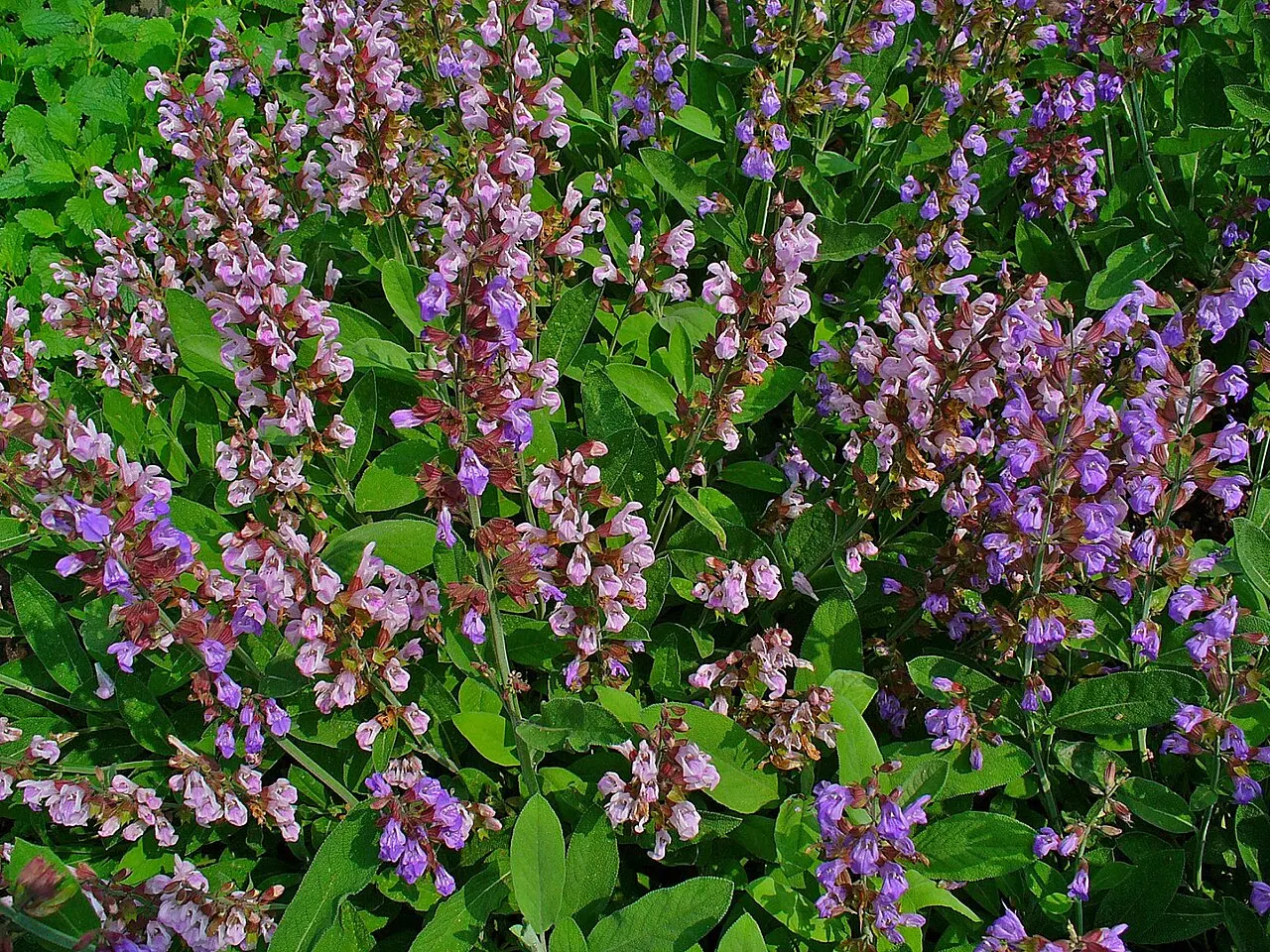

Sage and rosemary are now salvias too, and the RHS treats them as shrubs that need little pruning.
Sage. The RHS sage guide says to prune established plants lightly every year in mid- to late spring, to keep them compact and bring on fresh new leaves. Trim the faded flower stems in late summer. Left unpruned, older plants can become straggly and sprawling, with a bare centre. Regular picking of young leaves also keeps the plant bushy.
Cutting into old wood: the RHS gives two answers. The RHS salvia guide says overgrown or bare culinary sages can be renovated by cutting hard into older wood. The RHS sage guide is more cautious: pruning hard into bare wood is risky, because older stems may not reshoot. It adds that sage plants tend to get woody and straggly after six or seven years, and that it is usually best to replace them, using softwood cuttings taken from new growth in late spring or early summer.
Our reading: try a hard cut only on a plant you are ready to lose, and have cuttings rooting first.
Rosemary. The RHS cuts it back after flowering in early summer, or in mid-spring cuts all the stems back by half. Very old, woody plants are better replaced.
Bedding, annual and biennial salvias
These are the easiest of all.
Bedding salvias are frost-tender and grown for summer colour, the RHS says, and are usually composted after flowering. Pinch out the shoot tips in spring and early summer to stop them getting leggy. This slightly delays flowering. Deadhead regularly through the summer.
Annual salvias need no pruning. Regular deadheading brings more flowers after the first flush.
Biennial salvias flower once, in their second year, so they need no pruning or deadheading.
Common mistakes
Treating all salvias the same. A cut to near ground level suits a herbaceous *S. nemorosa*, but the RHS warns that older sage stems cut hard into bare wood may not reshoot. Check the type first.
Cutting a herbaceous salvia bare in a cold garden in autumn. Both sources say the old stems protect the base over winter. In a cold or exposed garden, leave them until spring.
Cutting woody sage hard into bare wood. Older stems may not reshoot, the RHS sage guide warns.
Leaving tender salvias out unprotected. Bring them in before the first frosts, or mulch thickly in a mild spot.
Wet roots in winter. Gardeners' World says salvias may be lost over winter if the soil is very cold and wet. The RHS says most salvias prefer a sunny, sheltered spot with well-drained soil, and dislike heavy, wet clay.
Giving up in April. Late starters may still be alive. Gardeners' World waits until mid-June before calling a plant dead.
More late-summer flowers to prune? See pruning fuchsias and pruning lavender.
Which salvia do I have, and when is it pruned?
| Type | Examples | When | How |
|---|---|---|---|
| Herbaceous border | S. nemorosa, S. × sylvestris | July, after the first flush; again in autumn or late spring | To near ground level; in spring above the new shoots at the base |
| Shrubby, semi-evergreen | S. greggii, S. microphylla, S. × jamensis | Late March or April; light trim in July if flowering stops | Woody stems to about 10 cm, or just dead and damaged shoots |
| Shrubby, deciduous | S. yangii (formerly Perovskia) | March or April | Hard, to a 5–10 cm framework above new shoots at the base |
| Tender | S. 'Amistad', S. guaranitica, S. leucantha, S. patens | Spring | To a low framework above a healthy pair of shoots, or to the ground to renovate |
| Culinary and evergreen shrubby | Sage (S. officinalis), S. lavandulifolia | Mid- to late spring; faded flower stems in late summer | A light trim to keep it compact |
| Rosemary (now a salvia) | Rosemary | After flowering in early summer, or mid-spring | Trim, or cut all stems back by half in mid-spring |
| Bedding | Summer bedding salvias | Spring and early summer; all summer | Pinch out shoot tips; deadhead |
| Annual and biennial | Annual and biennial salvias | Summer | Annuals: deadhead. Biennials: nothing |
How to do it
- Find out which kind of salvia you have: herbaceous, shrubby, tender or culinary. The label or the table above helps.
- Herbaceous salvias: when the first flowers fade in July, cut the stems to near ground level for a second flush.
- In autumn, decide: cut back again in a mild garden (RHS), or leave the stems until late spring in a cold or exposed one.
- Shrubby salvias: in late March or April, cut the woody stems to about 10 cm, or just remove dead and damaged shoots.
- Tender salvias: once they come through winter, cut in spring to a low framework above a healthy pair of shoots.
- Sage: trim lightly in mid- to late spring and do not cut hard into bare wood.
Common questions
When should I cut back salvias in the UK?
It depends on the type. The RHS cuts herbaceous salvias to near ground level in July after the first flush, then again in autumn in mild gardens. Shrubby salvias are cut in late March or April, tender ones in spring.
Should I cut back salvias in autumn?
The sources disagree. The RHS cuts herbaceous salvias back in autumn unless the garden is cold or exposed. Gardeners' World says not to cut back salvias in autumn and to wait until late spring, because the old growth protects them from the cold.
How far do I cut back a shrubby salvia?
The RHS cuts the woody stems of semi-evergreen shrubby salvias to about 10 cm in late March or April. Salvia yangii goes to a framework of 5–10 cm in March or April.
How do I get salvias to flower again?
Cut herbaceous salvias near the ground when the flowers fade in July for a second flush. Give shrubby salvias a light trim below the faded flowers if flowering stops in July, the RHS says.
Can I cut sage right back?
Carefully. The RHS sage guide says pruning hard into bare wood is risky because older stems may not reshoot. Prune lightly every spring and replace old plants after six or seven years.
How do I overwinter tender salvias?
Bring them under cover before the first frosts, usually October or early November, to a frost-free greenhouse kept at 5 °C or more, a cool conservatory or a windowsill (RHS). In mild gardens mulch them thickly instead.
Is my salvia dead after winter?
Not necessarily. Gardeners' World says that if a salvia shows no sign of regrowth by mid-June, it has probably died.
Sources
We wrote this page using the sources below.
- How to grow salvias, Royal Horticultural Society (RHS)
- Tender salvias, Royal Horticultural Society (RHS)
- How to grow sage, Royal Horticultural Society (RHS)
- How to grow salvia, BBC Gardeners' World Magazine