
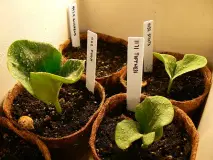
 Pumpkins Growing and care
How to grow pumpkins
A pumpkin plant wants three things in generous amounts: sun, water and room. Give it those and it largely looks after itself until the frost.
In short
Grow pumpkins in a warm, sunny, sheltered spot, in fertile soil that holds moisture. Allow at least 90 cm for bush types and 1.5 m for trailing ones. Water generously, especially when fruiting, and mulch. Most need no feeding. Harvest before the first frost.
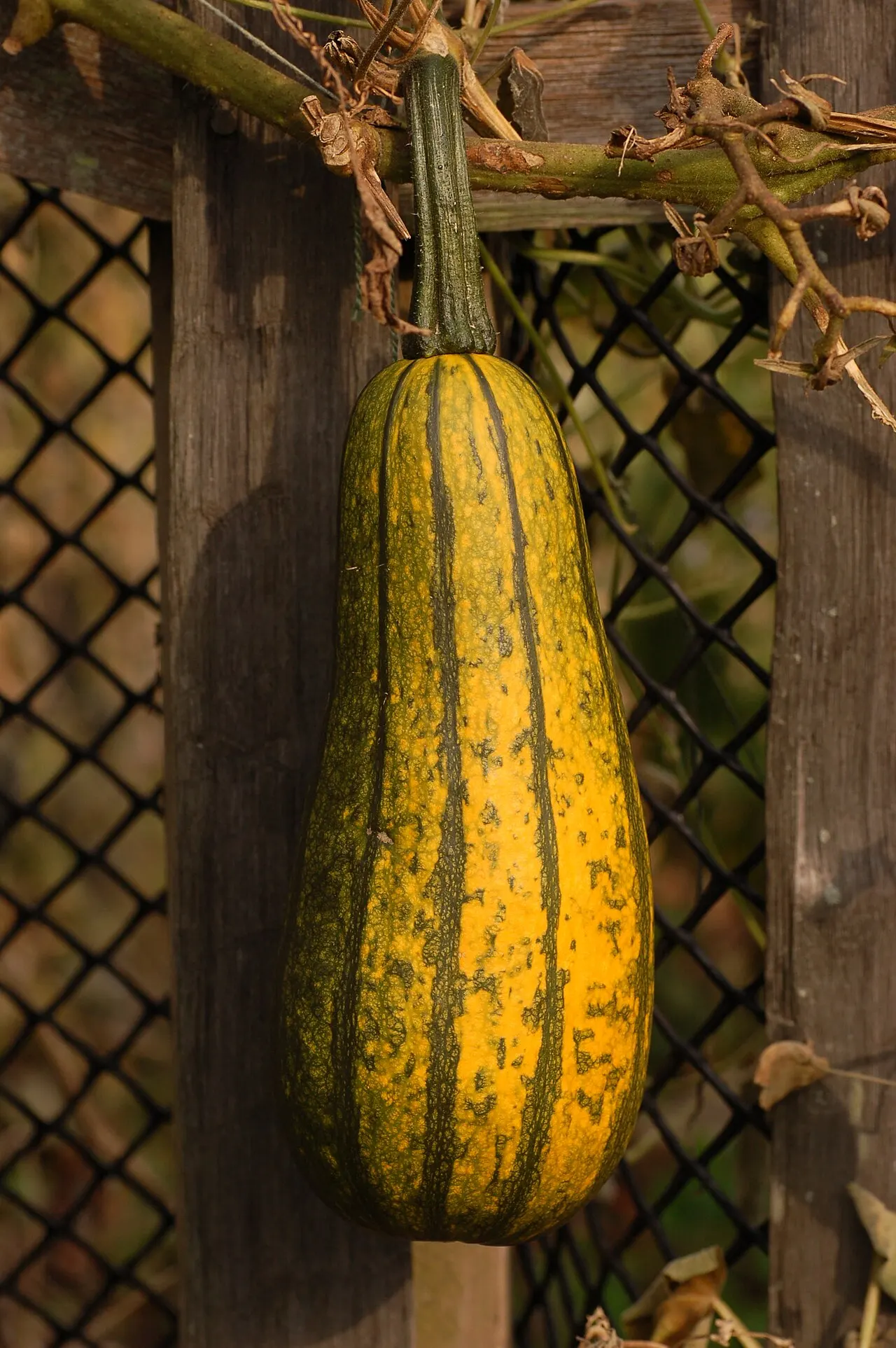

What pumpkins need
Pumpkins are easy and fun to grow, the RHS says. Just give them a warm, sunny site, plenty of water, and shelter from cold winds.
They are a type of winter squash. The RHS squash guide adds that squashes, pumpkins and courgettes are all close relatives, known botanically as cucurbits. That matters later, when it comes to diseases.
The needs, one by one:
- Warmth and sun. Pumpkins need a long, hot growing season. They generally grow less well in cooler sites. - Shelter. Choose a spot out of cold winds. Garden Organic also asks for a sunny, sheltered site. - Fertile soil that holds moisture but is not waterlogged. - Frost-free weather. Pumpkins are tender, so they must be protected from frost and cold. - Space. Lots of it.
Garden Organic rates pumpkins as easy, and gives an average time to harvest of 14–20 weeks.
Sowing dates, planting out and the harvest calendar are on a page of their own: when to sow pumpkins. This page covers the growing season in between.
Pumpkins: what to do and when
Under cover and outdoors, for UK conditions. The weather differs from year to year and from north to south, so check your local conditions too.
How much space
Be honest with yourself here. The RHS says most pumpkin varieties form large, sprawling plants that require plenty of space.
- Trailing varieties are vigorous plants that spread for several metres. - Bush varieties stay comparatively compact, usually with smaller fruits. They still take up at least one square metre, and can easily reach 90 cm across.
Spacing. The RHS sets planting sites at least 90 cm apart for bush plants and 1.5 m for trailing plants. Garden Organic transplants 60–90 cm apart, and gives the average plant as 45 cm tall and 120 cm wide.
Fruit size varies as much as the plants. The RHS describes fruits from cricket ball up to beach ball size, and potentially larger. Small to medium fruits are generally more convenient for eating, and the giant ones are ideal for entering into shows and competitions. By autumn, the RHS says, you will have pumpkins to carve into Halloween decorations, or a crop to store for winter.
So choose, as the RHS puts it, varieties that suit the amount of growing space you have.
Soil and planting
The RHS prepares each planting site on its own. Make a hole about 30 cm wide and deep, then fill it with a mix of soil and organic matter, such as home-made compost. Our compost guide shows how to make it.
No-dig beds. Mulch the surface and sow or plant directly into the mulch.
Giants. If you are aiming to grow giant pumpkins, the RHS says you could also apply an organic-based, general-purpose fertiliser at this stage.
An RHS feature on pumpkin growing has a bolder idea for the hungry roots: give the plants plenty of space and good soil, and try growing them on the compost heap.
The same feature suggests leaning towards sowing later, because earlier sowings are prone to transplant shock. It also notes that direct-sown plants are sometimes attacked by slugs as they emerge, while plants started indoors are bigger and more robust when they go out.
Pumpkins: growing conditions
Mainly Cucurbita pepo. Giant forms derive from Cucurbita maxima (RHS)
- Position
- Sun, warm and sheltered
- Soil
- Fertile, moisture retentive, not waterlogged
- Spacing
- 90 cm apart in the row, bush types at least 90 cm apart, trailing types 1.5 m (RHS)
- Plant
- After the last frost
- Harvest
- Autumn, before the first frost
- Watering
- Plenty, especially when fruiting
- Frost
- Tender
- Difficulty
- Easy
Watering
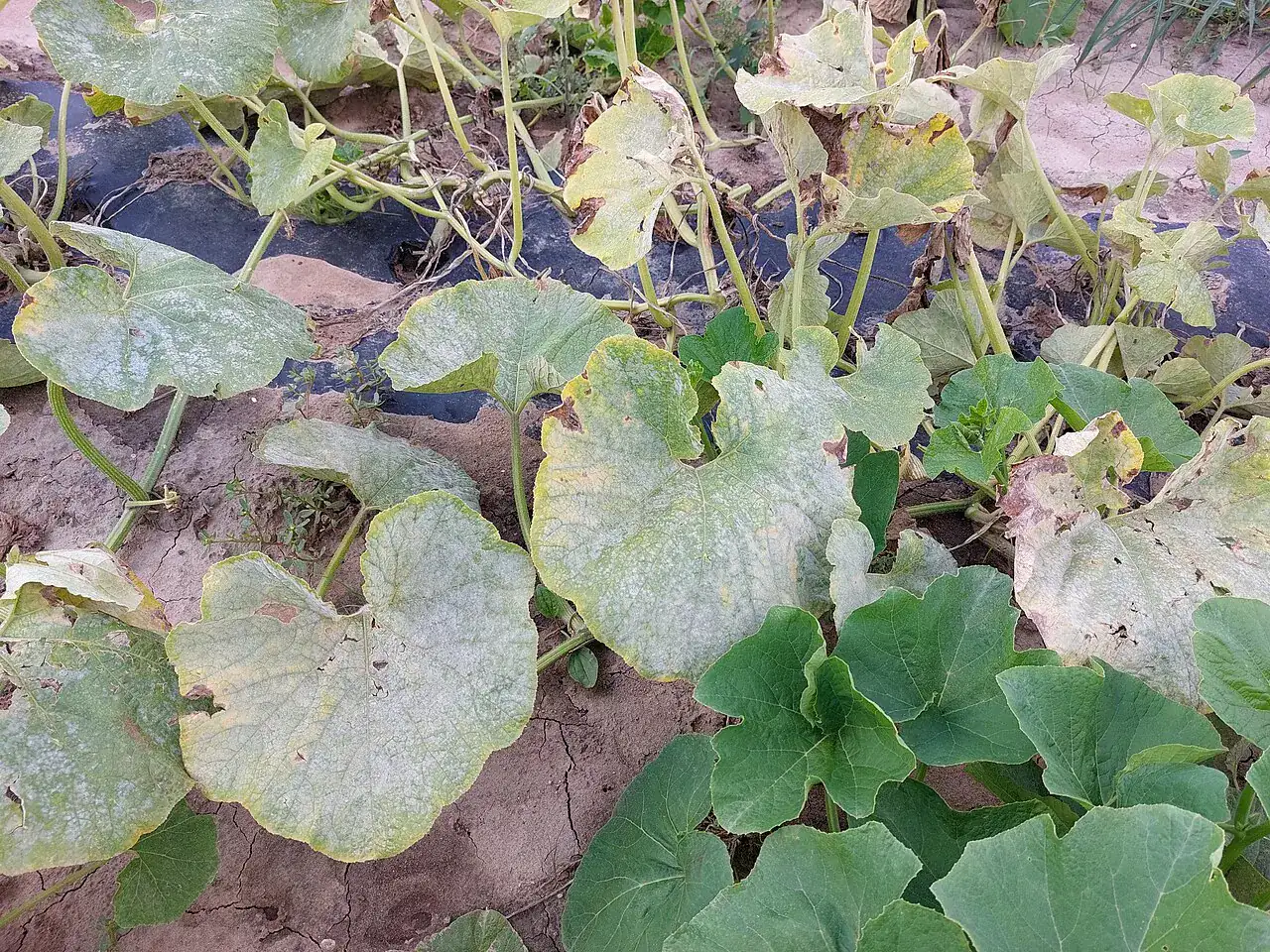
Pumpkins need plenty of water, especially when fruiting, the RHS says. Insufficient water can hinder fruiting and encourage powdery mildew.
The RHS guide has three practical tricks.
- Sink a pot. Sink a 15 cm plant pot into the ground alongside each plant, then pour the water into it. This ensures the water goes down to the roots. - Mark the centre. Insert a short cane beside each plant, so you can tell where the centre is after the plant has grown lots of leaves and long shoots. - Pick your time. On hot days, preferably water early in the morning or in the evening.
The RHS guide to watering vegetables adds a reassuring note. Marrows, pumpkins and winter squash benefit from watering, it says, but in practice often produce reasonable yields from minimal watering. Trailing types need less water, because their spreading habit conserves moisture and the stems root where they touch the ground.
That last point can be put to work. The RHS pumpkin feature suggests pinning down the runners at the leaf joints so that they root, which gives them better access to the water they need to swell the fruit.
So the two RHS pages lean in slightly different directions. The growing guide says plenty of water. The watering guide says they often give reasonable yields from minimal watering. Both agree that watering helps, and the growing guide is clear about when it matters most: while the fruits are forming.
Mulching and feeding
Mulch. After planting, the RHS covers the soil surface with a thick layer of mulch, such as home-made garden compost, to help hold in moisture and reduce the need for watering. Leave a gap around the base of the stem, to keep dampness away from it. Dampness there could lead to rotting. Garden Organic mulches too, to conserve moisture. For materials, see our mulching guide.
Feeding. Most pumpkins should not need feeding, the RHS says. There are two exceptions:
- plants grown for particularly large or giant fruits - plants in containers.
For these, start feeding once the fruits start to swell. Apply an organic-based, high potassium liquid fertiliser every 10 to 14 days.
Garden Organic's guide gives no feeding advice at all. Its equipment list for pumpkins has two items: mulch and tiles.
Training the stems
A trailing pumpkin will wander. The RHS gives three ways of dealing with that.
In a circle. Train the stems round in a large circle, and insert short canes to hold them in place.
With secateurs. You can also simply cut off any stems that stray beyond their bounds.
Upwards. Trailing types can be trained up sturdy supports, such as an arch, a large wigwam or a strong trellis. Make sure the supports are big and robust enough to carry these vigorous plants and their fruits. You may need netting to support the fruits individually. Larger-fruited varieties are best grown flat on the ground. The RHS pumpkin feature calls vertical growing a great option for these space-hungry plants.
Pinching out. Garden Organic adds a step that the RHS guide does not mention: pinch out the growing tips of trailing stems when they are 60 cm long.
The two sources differ here, then. The RHS lets the stems run and steers them. Garden Organic stops them early.
Looking after the fruits
Off the soil. Place a tile, brick or piece of wood under developing fruits, the RHS says, to keep them off damp soil, which could cause rotting. Garden Organic puts larger fruit on a tile for the same reason.
In the sun. Make sure the fruits are exposed to full sun, to aid ripening. Pumpkins must be fully ripened to store well.
Fewer, bigger. If you want larger pumpkins, the RHS limits the number to two or three per plant. For giant pumpkins, leave just one. Remove any further flowers or fruits that start to form. All the plant's energy is then directed into swelling the fruit that remains.
Giants. For show-sized fruit, the RHS names 'Atlantic Giant', a very large pumpkin with red-orange skin, and 'Hundredweight', which can produce huge fruits in good growing conditions. Its pumpkin facts page shows how far this can go: the record for the biggest outdoor UK pumpkin, it says, was set in 2016 with a 605 kg giant grown at RHS Garden Hyde Hall in Essex. The RHS feature is frank about the effort: massive pumpkins need care on a nearly daily basis.
Pumpkins in pots and growing bags
Smaller varieties can potentially be grown in large containers, the RHS says, but most fare best in the ground. If a pot is what you have:
- choose a compact variety - plant one per growing bag, or one in a container at least 45 cm wide - leave plenty of space around the container, for good air circulation and to let the plant spread. Overcrowded conditions can encourage fungal diseases - feed every 10 to 14 days once the fruits start to swell, as described above.
The RHS feature names 'Gold Speck' as a variety that can even be grown in pots.
Problems

Frost and cold. This is the first risk and the last. Pumpkins are tender, the RHS says, so they must be protected from frost and cold. Frosted fruits cannot be stored. The RHS feature describes a pumpkin field caught by an unexpected frost, and its advice is to watch the forecasts.
Slugs and snails. Young plants and flowers may be damaged, the RHS says. Protect them, especially in damp weather. Garden Organic's guide says the same in three words: protect from slugs. See our slugs guide.
Powdery mildew. The pumpkin guide makes the link with watering: insufficient water can encourage powdery mildew. The RHS page on powdery mildews describes the disease as white, powdery, spreading patches of fungus on the leaves, and lists cucurbits among the plants affected. It names courgettes, marrows and cucumbers, not pumpkins, though the RHS squash guide counts pumpkins as cucurbits too. Its general advice on powdery mildews:
- water regularly during dry periods, because plants under regular drought stress are more susceptible - mulch, which may help the soil to hold water - do not plant too densely - do not over-fertilise, especially with nitrogen, as soft growth is particularly susceptible.
One of the varieties in the RHS pumpkin guide, 'Charmant', is listed with some resistance to powdery mildew.
Grey mould. The RHS pumpkin guide lists grey mould, caused by the fungus *Botrytis cinerea*. It calls it a very common disease that causes a soft decay of plant tissues.
Rotting. Three causes come up in the guide, each with its own fix. Damp soil under the fruit: use a tile. Dampness at the base of the stem: leave a gap in the mulch. A stalk cut too short at harvest, which leaves a soft area on the fruit that is prone to rotting: leave at least 10 cm.
If you do use any plant protection product, use only products approved in the UK, used as the label says.
Varieties in the RHS guide
You will find many pumpkin varieties as seed in garden centres and from online retailers, the RHS says. Young plants may also be on sale in spring and early summer.
Its guide describes five.
- 'Jack be Little': small, ribbed pumpkins with bright orange skin. - 'Charmant': bright orange fruits of 6–8 kg, with some resistance to powdery mildew. - 'Cargo': medium-sized, deep orange fruits of 6–10 kg, which store well. - 'Hundredweight': can produce huge fruits in good growing conditions. - 'Atlantic Giant': a very large pumpkin with red-orange skin.
Garden Organic has a kitchen note worth keeping: the flowers are edible.
Harvest and storage, in brief
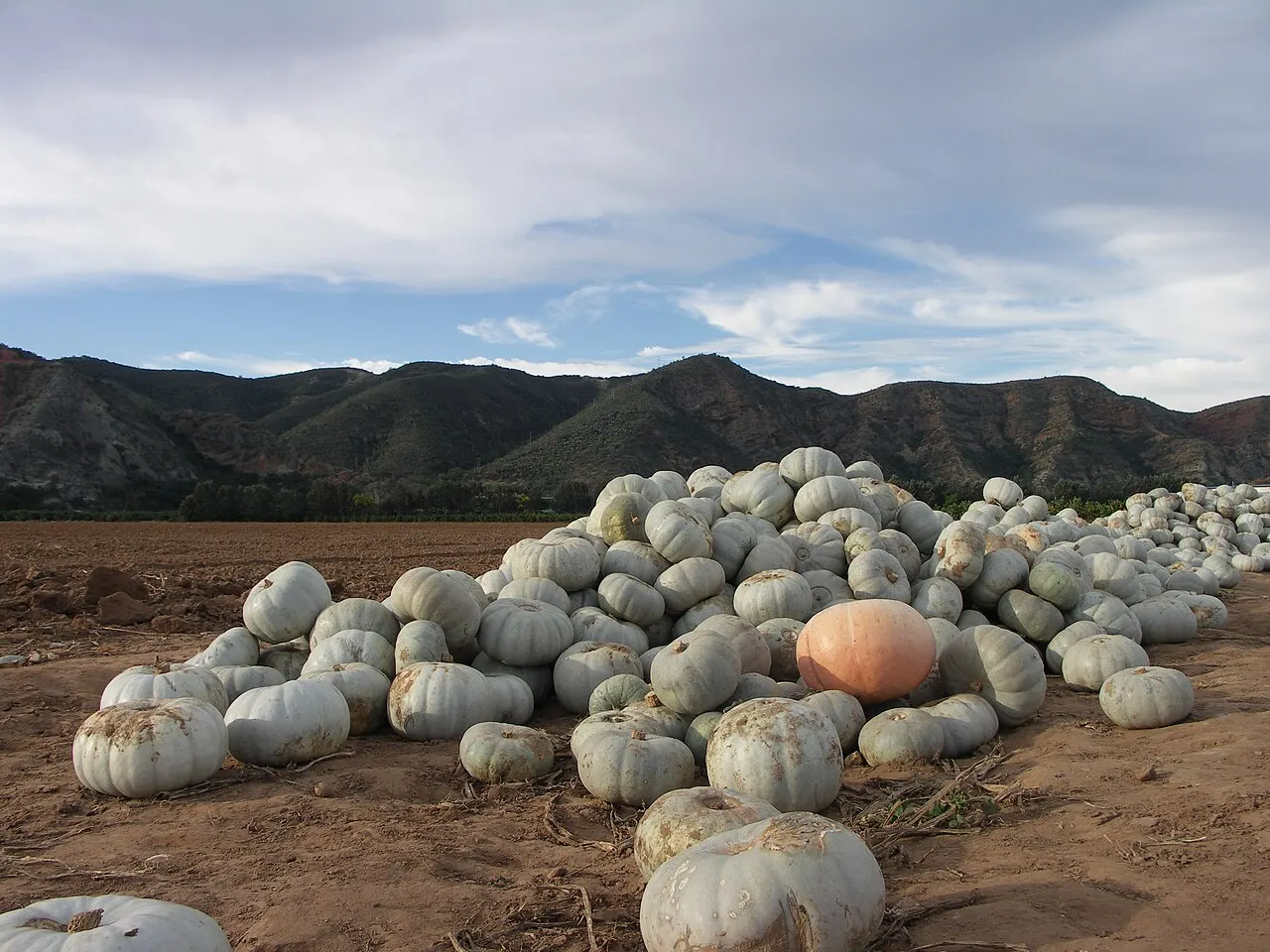

The harvest, curing and storing are set out step by step in when to sow pumpkins. The short version, from the RHS:
- let the pumpkins mature and colour up on the plant - keep them on the plant for as long as possible, but harvest before the first frost, or protect the fruits with straw, fleece or cardboard - cut with at least 10 cm of stem - lay them out in the sun for a week to 10 days to harden the skins - store at 10–15 °C, well ventilated, with the fruits not touching.
Garden Organic checks ripeness by ear: the fruit should have coloured and should sound hollow when tapped.
How long they keep. The sources differ. The RHS says that, depending on the variety, pumpkins should keep for at least three months, and up to six in ideal conditions. Garden Organic's storage guide says that pumpkins and winter squash, stored cool and dry with plenty of air circulation, can last 6–9 months. It gives the same ideal temperature, 10–15 °C.
Garden Organic adds two conditions. The fruit must be in perfect condition, with no blemishes or breaks in the skin. And it should be cut with a long stalk, with part of the vine attached, to protect the stem from rotting.
Cheat sheet: growing pumpkins
| What | Advice |
|---|---|
| Site | Warm and sunny, sheltered from cold winds |
| Soil | Fertile and moisture retentive, but not waterlogged |
| Space | Bush types at least 90 cm apart, trailing types 1.5 m (RHS). 60–90 cm (Garden Organic) |
| Watering | Plenty, especially when fruiting, poured into a 15 cm pot sunk beside the plant |
| Mulch | A thick layer after planting, with a gap around the stem |
| Feeding | Most need none. For large fruits and pots: high potassium liquid feed every 10 to 14 days once fruits swell |
| Trailing stems | Train in a circle, cut off strays (RHS). Pinch out tips at 60 cm (Garden Organic) |
| Bigger fruits | Two or three per plant, one for a giant |
| Pots | One plant per growing bag, or per container at least 45 cm wide |
| Storing | 10–15 °C, well ventilated, fruits not touching |
How to do it
- Choose a warm, sunny site with shelter from cold winds and soil that is fertile and holds moisture without being waterlogged.
- Check how much room your variety needs. Even compact bush types can easily reach 90 cm across.
- Plant out after the last frost and cover the soil with a thick mulch, leaving a gap around the stem.
- Sink a 15 cm pot into the ground beside each plant and water into it, so the water goes down to the roots.
- Train trailing stems round in a circle and hold them with short canes, or cut off any that stray too far.
- For bigger pumpkins, leave two or three fruits on each plant and remove further flowers and fruits.
- Feed plants in pots, and plants grown for large fruits, every 10 to 14 days once the fruits start to swell.
- Lift each developing fruit onto a tile, brick or piece of wood, and make sure it sits in full sun.
- Harvest before the first frost, with at least 10 cm of stem.
Common questions
Are pumpkins easy to grow?
Yes. The RHS calls them easy and fun to grow, given a warm, sunny site, plenty of water and shelter from cold winds. Garden Organic rates them easy. The main limits are space and frost.
How much space does a pumpkin plant need?
The RHS spaces bush plants at least 90 cm apart and trailing plants 1.5 m apart. Even bush types take up at least one square metre, and trailing varieties spread for several metres.
How often should I water pumpkins?
The RHS gives no fixed interval. It says pumpkins need plenty of water, especially when fruiting, and suggests watering into a 15 cm pot sunk beside each plant. Its watering guide adds that trailing types need less.
Do pumpkins need feeding?
Most do not, the RHS says. Feed plants in containers, and plants grown for particularly large fruits, with an organic-based, high potassium liquid fertiliser every 10 to 14 days once the fruits start to swell.
How many pumpkins should I leave on a plant?
For bigger pumpkins, the RHS limits the number to two or three per plant, and to just one for giant pumpkins. Remove any further flowers or fruits that start to form.
Should I pinch out pumpkin plants?
The sources differ. Garden Organic pinches out the growing tips of trailing stems when they are 60 cm long. The RHS guide does not mention pinching out: it trains the stems in a circle, or cuts off any that stray.
Can I grow pumpkins in pots?
Compact varieties, yes. The RHS plants one per growing bag, or one in a container at least 45 cm wide, with space around it for air. Most pumpkins fare best in the ground.
Sources
We wrote this page using the sources below.
- How to grow pumpkins, Royal Horticultural Society (RHS)
- Top tips for perfect pumpkins, Royal Horticultural Society (RHS)
- Fascinating facts and figures: pumpkins, Royal Horticultural Society (RHS)
- Watering vegetables and fruit, Royal Horticultural Society (RHS)
- How to grow squashes, Royal Horticultural Society (RHS)
- Powdery mildews, Royal Horticultural Society (RHS)
- Pumpkins and squashes, Garden Organic
- Harvesting and storing vegetables, Garden Organic