
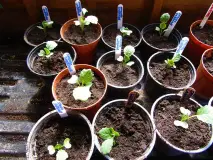
 Cabbages Growing and care
How to grow cabbages
A cabbage will sit in the ground for four to six months, and a lot of creatures would like to eat it before you do. Good care is mostly a matter of keeping them out.
In short
Grow cabbages in sun, in firm, fertile, free-draining soil. Water young plants regularly, then soak the ground every 10 days in dry spells. Mulch and hoe. On poor soil, feed with a nitrogen-rich fertiliser before the hearts form. Keep the crop under insect-proof mesh from planting to harvest.

What cabbages need
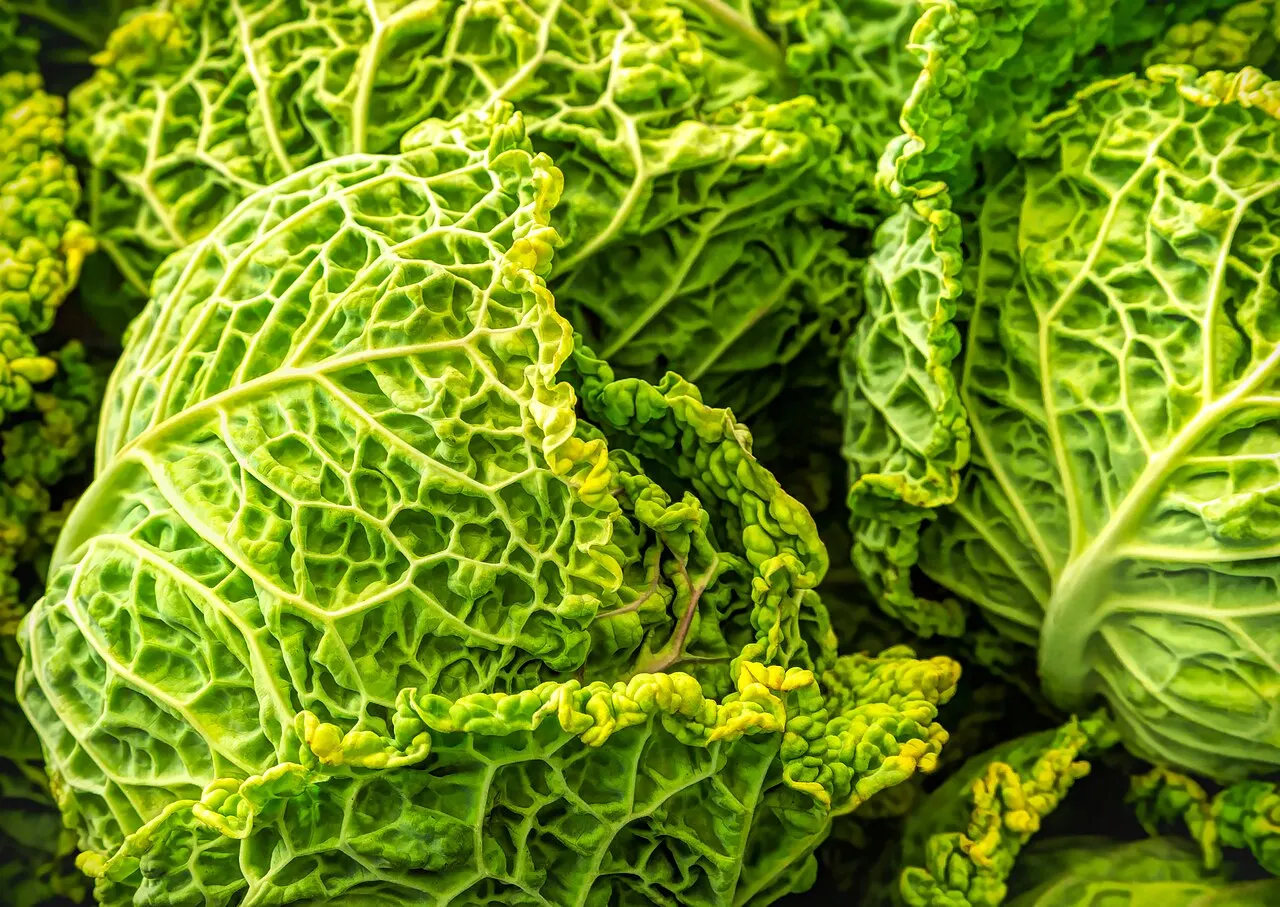
The RHS calls cabbages easy to grow, hardy, tasty and versatile. They are ready to harvest in about four to six months, and there are types for every season: crinkly Savoys, smooth drumheads, and red-tinged or purple varieties.
What they ask for:
- Sun. Choose a sunny growing site. In its notes on containers the RHS adds that cabbages need plenty of light and good airflow to grow well and to avoid fungal diseases. - Rich, fertile, free-draining soil. Avoid ground that gets waterlogged, especially over winter if you are growing an overwintering variety. - Firm ground. Cabbages like firm ground, so the RHS adds compost the previous autumn and leaves it over winter to consolidate. - Fresh ground. Pick a spot where you have not grown cabbages or other brassicas in the previous couple of years.
Garden Organic asks for much the same: fertile, moist soil for summer and autumn cabbages, and fertile soil in a sunny site for spring cabbages. It rates all cabbages as moderate in difficulty.
Sowing and planting dates for each type are on a separate page: when to plant cabbages. This page is about the months in between.
Cabbages: what to do and when
Under cover and outdoors, for UK conditions. The weather differs from year to year and from north to south, so check your local conditions too.
Soil: rich, limed and firm
Compost. As cabbages like rich, fertile soil, the RHS adds two bucketfuls of garden compost per square metre. This is best done the previous autumn. If you make your own, our compost guide covers the method.
Lime, if your soil is acid. If your soil is very acidic, the RHS applies lime the winter before sowing, to raise the pH above 6 and deter club root disease. Its club root guide gives the amounts: on acid soils, lime at 500 g per square metre, with lighter dressings of 270 g per square metre in future years.
Firm it. Before sowing or planting, firm the soil by shuffling across the surface on your heels. Then remove any weeds and rake the surface level.
Garden Organic says simply: plant firmly. For winter and savoy cabbages it adds a general organic fertiliser at planting.
Watering
The RHS splits watering into two stages.
Young plants. They only have a small root system, so water them regularly to keep them growing strongly.
Established plants. Cabbages generally only need watering during dry spells. Then you should give the ground a thorough soaking every 10 days.
The RHS guide to watering vegetables is a little more demanding. Cabbages, chard, lettuce and other leafy salad crops, it says, need water at every stage of growth. And it tells you where to spend water if you have little of it: soak the ground around cabbages when the hearts begin to form.
Garden Organic agrees on the main point for summer and autumn cabbages: water in dry weather, and mulch to conserve moisture.
Containers. Keep a cabbage in a pot well watered, especially in summer.
Cabbages: growing conditions
Brassica oleracea (Capitata Group)
- Position
- Sun
- Soil
- Fertile, free-draining, firm
- Soil pH
- Above 6 (RHS)
- Spacing
- 45 cm between rows, 30 cm apart in the row, compact varieties 30 cm apart, larger ones up to 45 cm (RHS)
- Harvest
- All year round with a mix of types
- Watering
- Young plants regularly. Established plants every 10 days in dry spells
- Difficulty
- Medium
Mulching and weeding
Mulch. The RHS applies a thick mulch of well-rotted manure or garden compost around cabbage plants to hold moisture in the soil. This also helps to suppress weeds. There is more on materials and method in our mulching guide.
Hoe. Keep young cabbage plants free of weeds by hoeing regularly, the RHS says, so they do not have to compete for light, water and nutrients.
Tidy. Garden Organic removes yellowing leaves from all types of cabbage.
Earth up before winter. For winter, savoy and spring cabbages, which stand through the cold months, Garden Organic pulls soil up around the stems in autumn. It also firms any plants loosened by wintry weather.
Feeding
The RHS does not make feeding a routine job. If your soil is poor and your plants need a boost, it says, you could consider applying a nitrogen-rich fertiliser, which will encourage strong leafy growth. The guide gives the timing, but no amount.
- Most cabbages. Feed once the plants are settled into their final growing position, but before they form hearts. - Spring cabbages. These spend the winter in the ground. Feed them in early spring to aid new growth.
Garden Organic feeds summer and autumn cabbages with a general organic fertiliser in the summer to boost growth.
Follow the rate on the packet. Neither source names one.
Keeping the crop covered
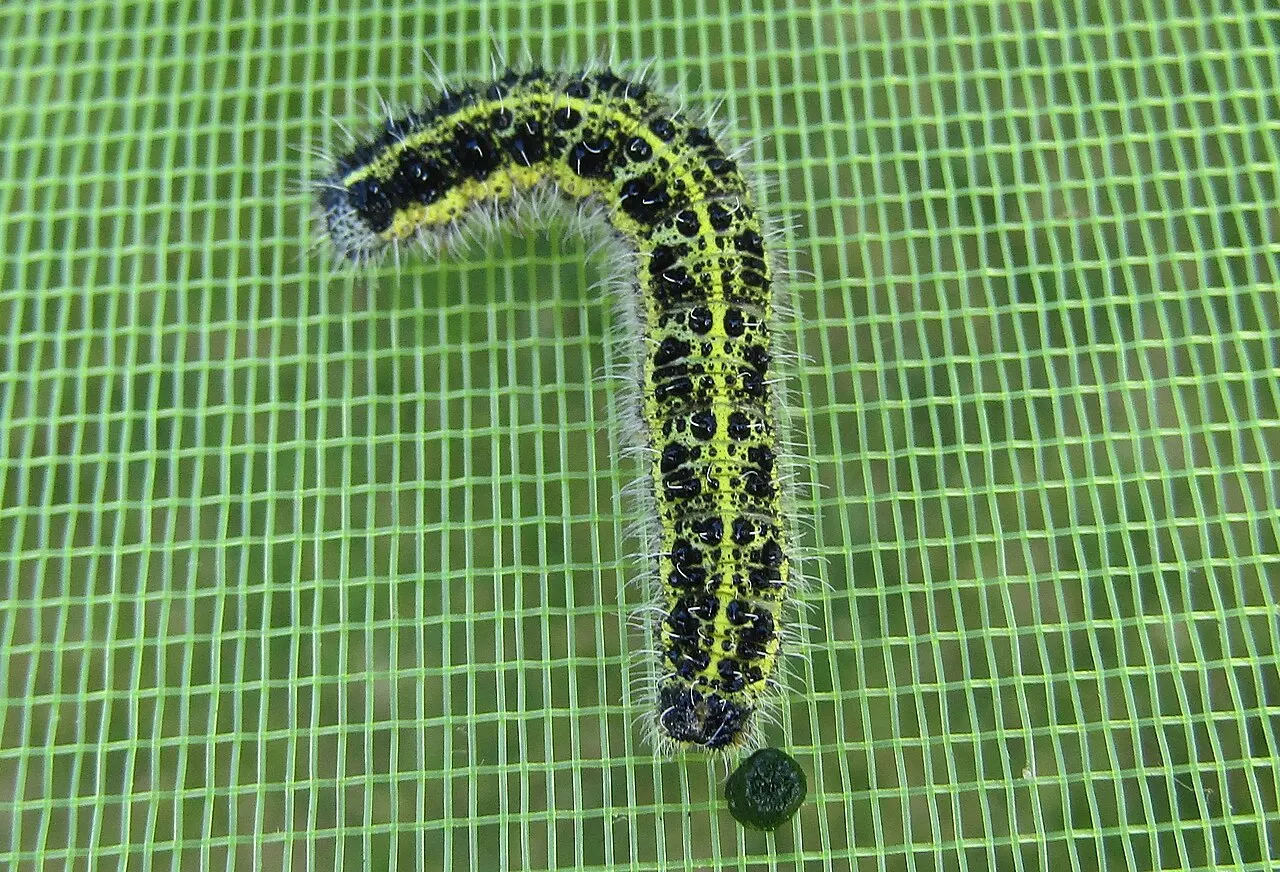

The RHS says it is best to keep cabbages covered with insect-proof mesh, supported on hoops or bamboo canes. That avoids damage by what it calls various brassica-loving creatures, including cabbage caterpillars and pigeons. Fine-mesh netting, it notes, protects the crop from cabbage butterflies, root fly, whitefly and pigeons at once.
Garden Organic gives the same advice in fewer words: keep cabbage netted to protect it from cabbage white butterflies.
Caterpillars. The RHS names three species that are often found on brassicas.
- Large white butterfly. The caterpillars are yellow and black, with obvious hairs. - Small white butterfly. Pale green, covered in short, velvet-like hairs. - Cabbage moth. Yellowish green or brownish green, with no obvious hairs.
You see holes eaten in the outer leaves, and often the caterpillars and their droppings as well. The RHS says small white and cabbage moth caterpillars can do more harm, because they bore into the hearts. White butterfly caterpillars are likely to be seen in June to July and again in August to September. Cabbage moth caterpillars are active from July to September.
What the RHS suggests, beyond the mesh:
- Check plants often from spring onwards. - Pick off the pale yellow butterfly eggs, the white, spherical moth eggs and the caterpillars when you see them. - Where you can, tolerate some. Cabbage caterpillars are food for many other creatures, including parasitoid and social wasps and birds. - A biological control is sold for caterpillars, a mixture of pathogenic nematodes. The RHS says such treatments can affect other animals too, so use them with care and only for a specific problem.
Pigeons. They peck at the leaves and tear them, the RHS says, often leaving just the stalks and larger leaf veins.
Slugs. Garden Organic warns that slugs love cabbage, so keep young plants well protected. The RHS says the same of young plants. See our slugs guide.
Others on the RHS list. Cabbage whitefly are small, white-winged insects on the undersides of the leaves, and are often not a serious problem. Mealy cabbage aphid is common on brassicas. Some flea beetles feed on the leaves.
If you do use any plant protection product, use only products approved in the UK, used as the label says.
Cabbage root fly
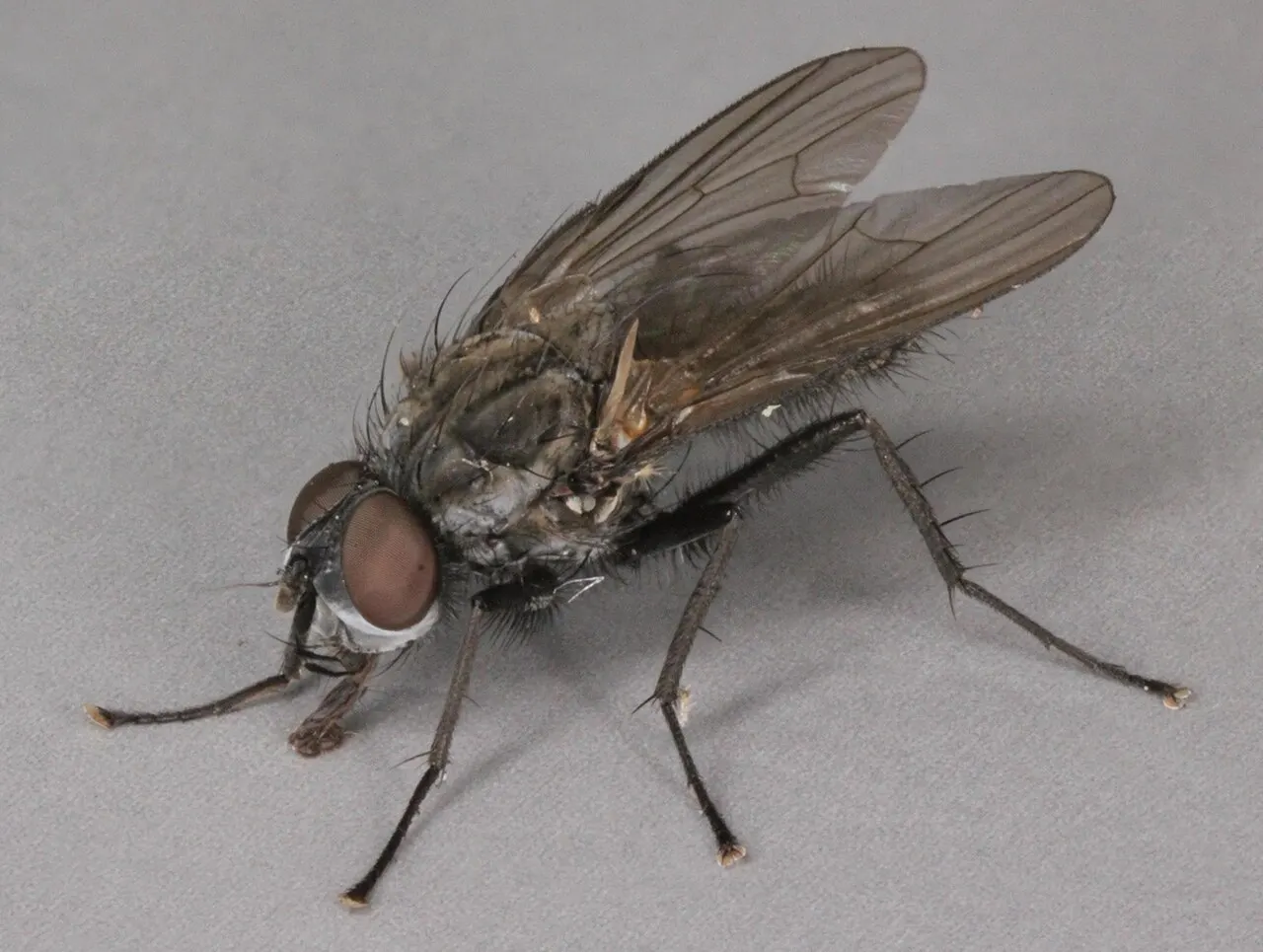

This one works out of sight. The maggots of cabbage root fly, *Delia radicum*, eat the roots of cabbages and other brassicas.
What you see. Plants grow slowly, wilt and die as their roots are eaten. Recent transplants in early summer are especially at risk, the RHS says. The maggots are white, legless and up to 9 mm long.
When. There are three generations during the summer, and the fly is active from April to September. The first generation, in late spring to early summer, is often the most damaging. Later generations do less harm to cabbages and other leafy brassicas.
What the RHS suggests.
- Mesh or fleece. Grow the plants under insect-proof mesh. Fleece may be preferred for seedbeds, as it also helps to warm the soil. - Collars. Fit a circle or square about 8–15 cm across around the base of each stem. Carpet underlay, roofing felt or cardboard will do. The collar stops the female fly placing her eggs on the soil surface close to the plant. - Rotation. Crop rotation should be practised, the RHS says. - Allies. Some ground and rove beetles are efficient predators of root-feeding maggots. - Nematodes. A mixture of pathogenic nematodes is sold as a biological control. The RHS warns that nematodes can also kill non-target species.
Club root
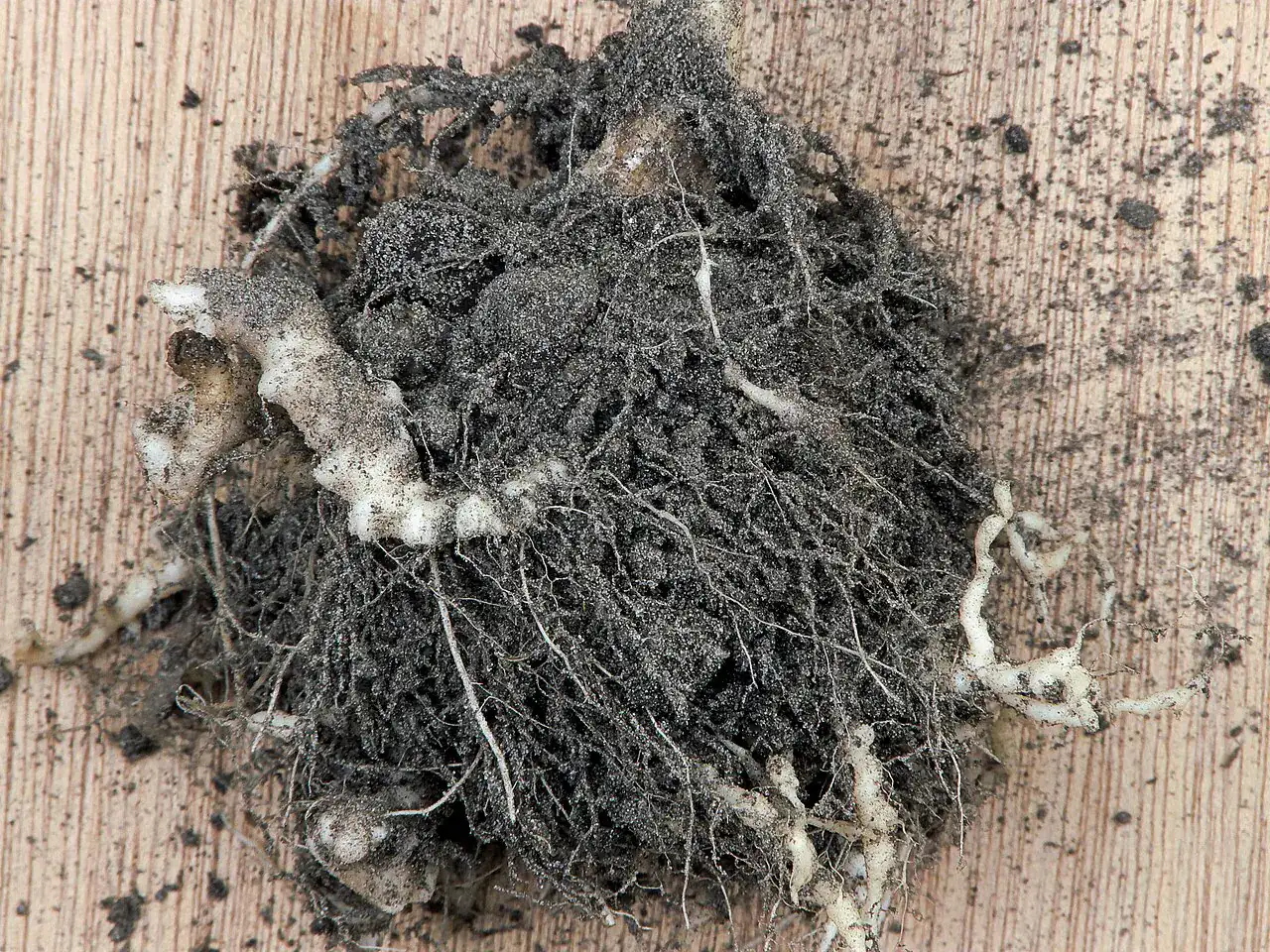

Club root is a disease of the soil, and it stays there for a long time.
The RHS describes it as an infection of the roots of brassicas and related plants by *Plasmodiophora brassicae*, a soil-dwelling micro-organism related to the slime moulds. Its resting spores can contaminate soil for up to 20 years.
What you see.
- Above ground: stunted growth, purplish foliage and wilting in hot weather. - Below ground: the root system becomes massively swollen and distorted, and loses its finer roots.
Club root can infect whenever the soil is moist and warm, the RHS says, so most new infections occur from mid-summer until late autumn.
There is no cure in a bottle. The RHS states that there are no chemicals available to gardeners to treat club root. What it offers is a set of habits.
- Do not bring it in. Make sure bought plants come from a source that is guaranteed free of club root. Be particularly careful about accepting plants from gardening friends. Beware of spreading contaminated soil on tools, wheelbarrows or footwear. - Lime. Club root is reduced, but not eliminated, by raising the soil pH. The amounts are in the soil section above. - Give plants a head start. Grow them on in healthy soil to a larger size than normal before planting out, in pots of at least 9 cm diameter. - Improve drainage, for example by making raised beds. - Weed. Keep down susceptible weeds such as shepherd's purse, charlock and wild radish. - Resistant cabbages. The RHS says some cultivars show some degree of resistance. For cabbages it names 'Kilaton F1', 'Kilaxy F1', 'Kilazol F1', 'Kalibro F1', 'Kilastor F1', the savoy type 'Cordesa F1' and the red cabbage 'Lodero F1'.
If club root is already in your soil, the RHS cabbage guide suggests a way round it: grow cabbages in containers.
Cabbages in pots
Cabbages grow best in the ground, the RHS says, but you can also plant them in large, deep containers. It calls this a useful option if you have club root in your soil, or are short on ground space.
- Choose a compact variety. - Plant one in a 30 cm pot, or up to three in a 50 cm pot. - Plant deeply, as you would in the ground. - Stand the container in a sunny spot and keep it well watered, especially in summer.
One thing does not work. Cabbages are not suitable for growing bags, the RHS says.
Varieties the RHS recommends
Cabbages come pointed or rounded, loose or tight, and in all shades of green as well as steely blue, deep purple or tinged with red. Compact varieties suit small plots and small households. Winter varieties tend to be large and more robust.
The RHS guide lists these. AGM marks its Award of Garden Merit.
- 'Hispi': summer cabbage. Popular and compact, good for small spaces. - 'Candisa': summer cabbage. Compact and early maturing, with a sweet flavour. - 'Regency' (AGM): summer cabbage with uniform, compact, pointed hearts. - 'Red Jewel' (AGM): summer and autumn cabbage, one of the best red varieties. - 'Tundra' (AGM): winter cabbage, one of the hardiest. A Savoy type, dense, crisp and sweet. - 'Winterjewel' (AGM): spring cabbage, cut as spring greens or left to form loose hearts. - 'Duncan' (AGM): spring cabbage with plenty of small, pointed, mid-green heads. - 'Spring Hero': spring cabbage, an early ball-headed variety with a crisp heart. - 'Advantage' (AGM): pointed, and versatile enough to crop all year round.
Garden Organic has a tip on size: cabbage need not be huge, and growing smaller should mean an earlier harvest.
Harvesting and storing
Sow a selection of spring, summer, autumn and winter varieties, the RHS says, and you can harvest cabbages all year round.
When. A cabbage is ready once it has formed a firm head that is the size you want. Plants generally take about four to six months to reach maturity. Garden Organic gives averages by type: 20 weeks for summer and autumn cabbages, and 32–40 weeks for winter, savoy and spring cabbages.
How. Cut through the stem just above ground level with a sharp knife. Garden Organic cuts 2.5 cm above the soil surface.
Spread it out. If you cut every other cabbage along the row first, the RHS says, the ones left can grow larger. Mature cabbages can be left standing for a few weeks, but will eventually deteriorate, so check them regularly. Garden Organic says most winter varieties stand well, so you do not have to harvest a row all at once.
Before frost. Garden Organic cuts hardy varieties as needed once the heart has formed, and cuts hearted white and red varieties before a frost.
A second crop. Score a cross in the stump of a spring or summer cabbage and it should sprout again. The details are in when to plant cabbages.
Storing. Cabbages are best eaten soon after harvesting, the RHS says, but will keep well in the fridge for at least a week. Some winter cabbages can be stored for several months in a cool, dry, frost-free place.
Garden Organic's storage guide is more exact. Firm red and white winter cabbage will store for several months if harvested before the first frost. Leave the roots intact, or at least 15 cm of stem. Place the heads on slatted shelves, and cover them with straw or thick layers of newspaper if temperatures drop. The ideal temperature it gives is 0–4 °C.
Afterwards. Once the crop is finished, the RHS digs out the stumps to deter the spread of brassica diseases.
Cheat sheet: growing cabbages
| What | Advice |
|---|---|
| Site | Sunny, with fertile, free-draining soil. No brassicas there in the previous couple of years |
| Soil | Two bucketfuls of garden compost per square metre, best the autumn before. Firm ground |
| Watering, young plants | Regularly |
| Watering, established plants | Only in dry spells: a thorough soaking every 10 days |
| Mulch | A thick mulch of well-rotted manure or garden compost around the plants |
| Feeding | If the soil is poor and plants need a boost: nitrogen-rich fertiliser once settled in, before the hearts form. Spring cabbages in early spring |
| Protection | Insect-proof mesh on hoops or canes, not touching the plants |
| Pots | One plant in a 30 cm pot, or up to three in a 50 cm pot |
| Time to harvest | About four to six months (RHS). 20 weeks for summer and autumn types, 32–40 weeks for winter, savoy and spring types (Garden Organic) |
| Storing | In the fridge for at least a week. Some winter cabbages for several months in a cool, dry, frost-free place |
How to do it
- Choose a sunny bed with fertile, free-draining soil where no brassicas have grown for the previous couple of years.
- Add two bucketfuls of garden compost per square metre, ideally the autumn before, and firm the ground before planting.
- Cover the crop with insect-proof mesh held up on hoops or canes, so that it does not touch the leaves.
- Water young plants regularly. They only have a small root system.
- Spread a thick mulch of well-rotted manure or garden compost around the plants, and hoe off the weeds.
- If your soil is poor and the plants need a boost, apply a nitrogen-rich fertiliser once they are settled in, and before they form hearts.
- In dry spells, give the ground a thorough soaking every 10 days.
- Cut each cabbage through the stem just above ground level when the head is firm and the size you want.
- When the crop is finished, dig out the stumps.
Common questions
Are cabbages easy to grow?
The RHS calls them easy to grow, hardy and versatile. Garden Organic rates them moderate. Like most brassicas, the RHS adds, they are prone to caterpillar and pigeon damage, so it is best to cover the crop with fine-mesh netting.
How often should I water cabbages?
Water young plants regularly, the RHS says. Established cabbages generally only need water in dry spells, when the ground should get a thorough soaking every 10 days. If water is short, save it for when the hearts begin to form.
What should I feed cabbages with?
If the soil is poor and the plants need a boost, the RHS suggests a nitrogen-rich fertiliser, applied once the plants are settled in their final position but before they form hearts. Spring cabbages are fed in early spring. Garden Organic uses a general organic fertiliser in summer.
Do I need to net cabbages?
Yes, it is the best protection. The RHS says to keep cabbages covered with insect-proof mesh on hoops or canes, against caterpillars, pigeons, root fly and whitefly. The mesh must not touch the plants, or eggs can be laid through it.
What is eating holes in my cabbage leaves?
Most likely caterpillars. The RHS names the large white and small white butterflies and the cabbage moth. Look for the caterpillars and their droppings, pick them off, and cover the crop with insect-proof mesh.
Can I get rid of club root?
Not with a product. The RHS says no chemicals are available to gardeners to treat club root, and its spores can contaminate soil for up to 20 years. Liming, good drainage, larger transplants and resistant cultivars reduce it.
Can I grow cabbages in pots?
Yes, in large, deep containers. The RHS plants one compact cabbage in a 30 cm pot, or up to three in a 50 cm pot. Cabbages are not suitable for growing bags.
Sources
We wrote this page using the sources below.
- How to grow cabbages, Royal Horticultural Society (RHS)
- Cabbage caterpillars, Royal Horticultural Society (RHS)
- Cabbage root fly, Royal Horticultural Society (RHS)
- Club root, Royal Horticultural Society (RHS)
- Watering vegetables and fruit, Royal Horticultural Society (RHS)
- Cabbage, summer and autumn (growing guide), Garden Organic
- Cabbage, winter and savoy (growing guide), Garden Organic
- Cabbage, spring (growing guide), Garden Organic
- Harvesting and storing vegetables, Garden Organic
- Vegetables all year round, Garden Organic