
 Potatoes Harvest and storage
How to store potatoes
A good maincrop can see you through to the end of winter. Whether it does is mostly decided on lifting day, by dry skins, gentle hands and a sack that keeps out the light.
In short
Store only dry, undamaged maincrop potatoes, in paper or hessian sacks or on slatted trays, in a dark, dry, cool, frost-free place such as a garage. The RHS says to check them every few weeks for rot and to finish them before early spring, when they sprout and shrivel.

Potatoes: what to do and when
Under cover and outdoors, for UK conditions. The weather differs from year to year and from north to south, so check your local conditions too.
Which potatoes are worth storing
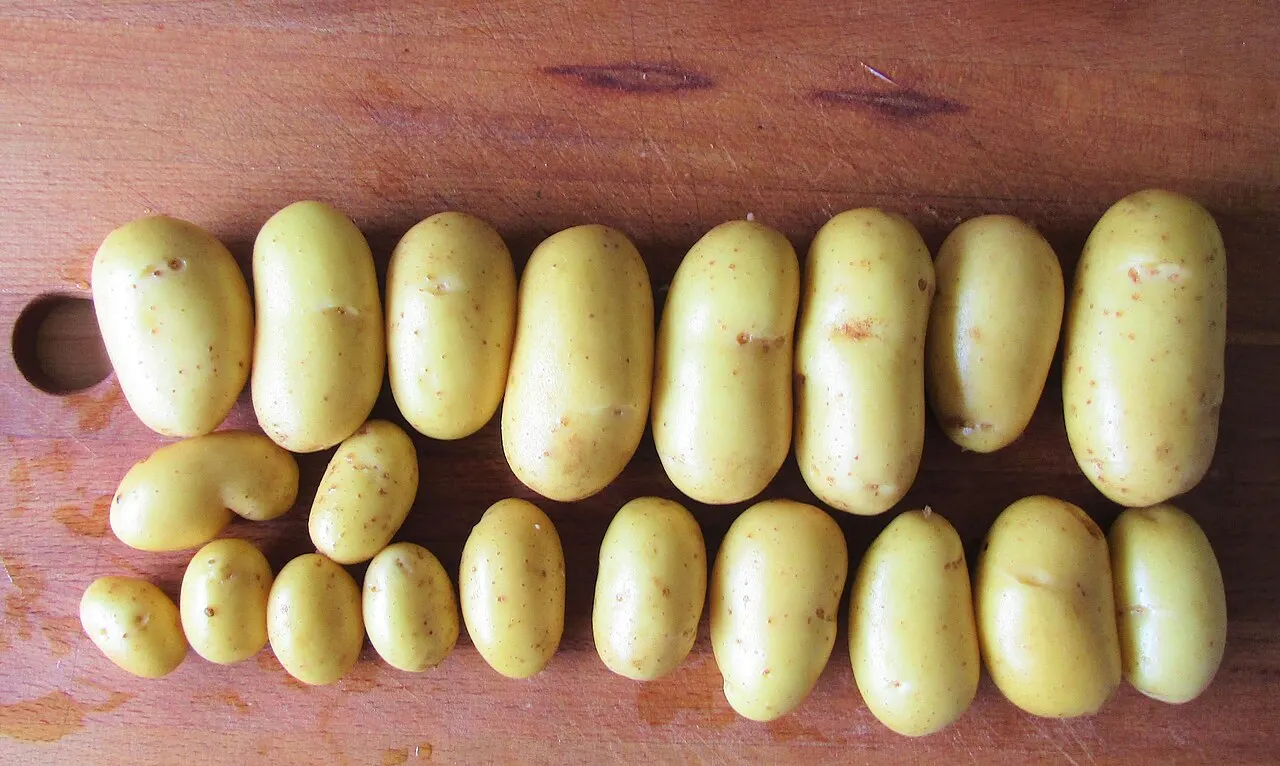

Not every potato is a keeper. Garden Organic says early varieties are generally unsuitable for long-term storage. They are best harvested as you need them, leaving the rest of the row to grow on.
The potatoes to store are maincrops. Garden Organic gives the reason: mature tubers with well-developed skins store best.
So this page is about the main harvest of late summer and autumn. The RHS says maincrop varieties are lifted from late August through to October. Garden Organic gives August through to early October, depending on the variety, the planting date and the growing conditions.
If your crop is still to come, start with when to plant potatoes and how to grow potatoes.
When to lift potatoes for storing
You can begin lifting maincrops in late summer for the kitchen, the RHS says, and leave healthy plants in the ground until mid-autumn. For storing, it is worth waiting.
The RHS method. Delay harvesting until the leaves turn yellow. Then cut off and remove all the top growth, and wait 10 days before digging up the tubers.
The Garden Organic method. Wait until the haulms, which is the gardener's word for potato foliage, have died back. Then leave the tubers in the ground for two to three weeks.
The two sources differ on the number of days, and on whether you cut the tops or let them die back by themselves. Both leave the tubers in the ground for a while after the foliage has gone. Garden Organic gives the reason: mature tubers with well-developed skins store best.
Two reasons to lift sooner. Garden Organic says that if pests are damaging a maincrop, lift it earlier. And the RHS says that if blight appears and the tubers are of usable size, lift as soon as possible.
Lifting day: dry soil and gentle hands
Pick the day. Garden Organic prefers a sunny day. The RHS guide to tuber rots is more exact: do not lift from wet soil, and do not lift from very dry, hard soil either. Wet soil during lifting makes bacterial rots much more likely.
Dig wide. Insert the fork at least 30 cm from the base of the plant, the RHS says, to avoid spearing the tubers.
Handle with care. This matters more than anything else on the day. The RHS explains that the fungi behind dry rot and gangrene live in the soil, and that damage at lifting makes tubers far more susceptible to them. Soft rot bacteria can enter through damage too.
Dry the skins. Leave the tubers on the soil surface before you bag them. The RHS growing guide says a few hours in the sun. Its rots guide says two to three hours. Garden Organic says a couple of hours. Then brush off the soil.
Sort. Only store undamaged potatoes, the RHS says, and make sure they are dry and free of soil. The allotment-garden.org guide sets aside any potato with holes or fork wounds, and puts those with small slug or insect holes in a "use first" bag, because they do not store well.
Sacks, trays and what not to use
The RHS stores potatoes in paper or hessian sacks, or on slatted trays.
The allotment-garden.org guide prefers hessian. The sacking lets the potatoes give off moisture and breathe, while keeping out the light. Paper sacks will do as well.
Never plastic. The same guide is firm about plastic bags, and clear or white ones above all. Light gets in, moisture stays trapped, and the potatoes rot quickly.
Reusing sacks. If a hessian sack held a crop with blight or rot, the guide washes it by hand in hot soapy water with a splash of bleach before using it again.
Where to keep them: dark, cool and frost-free
The RHS asks for four things: a place that is dry, cool, frost-free and dark. A garage is its example. Darkness is there to prevent sprouting.
Temperature. The RHS gives no figure. It asks for cool and frost-free. The NHS says the same in kitchen terms: a cool, dark and dry place, or the fridge, helps to stop potatoes sprouting.
Light. Light turns potatoes green and inedible, the RHS says. The Agriculture and Horticulture Development Board (AHDB) explains what happens. Exposure to light, in the field or in store, makes the tuber form green pigment, and also the glycoalkaloids solanine and chaconine, which are toxic in high enough concentrations. A sack that keeps out the light is the simplest protection.
How long. The RHS says to aim to finish stored potatoes before early spring, because by then they start to sprout and shrivel.
Should potatoes go in the fridge?
The sources answer this from different starting points.
Love Food Hate Waste says yes. Its advice for the kitchen is to store potatoes in the fridge to keep them fresher for longer. It cites research by WRAP, which found that potatoes in the fridge can last more than three times as long as potatoes kept at room temperature in a cupboard.
The NHS allows both. It says storing potatoes in a cool, dark and dry place or in the fridge will help stop them sprouting.
The RHS does not mention fridges. It stores a harvest in sacks in a cool, frost-free garage.
The advice is written for different situations. Love Food Hate Waste is comparing a fridge with a kitchen cupboard at room temperature. The RHS is writing about a whole harvest kept in sacks.
A practical reading: keep the sacks in the garage, and bring potatoes indoors a few at a time.
Checking the store through winter
A sack of potatoes is not something to fill and forget.
How often. The RHS says to check every few weeks for signs of rotting. The allotment-garden.org guide empties the whole sack after the first month to look for rot.
What to do if you find rot. The RHS advice is clear: dispose of the affected tubers and use the rest as soon as possible. Do not attempt long-term storage with that batch.
Why rot shows up late. Some rots only develop after a long time in store. The RHS says dry rot and gangrene may take weeks or even months to show. That is why a sack that looked perfect in October still needs checking in January.
Rots and blight in stored potatoes
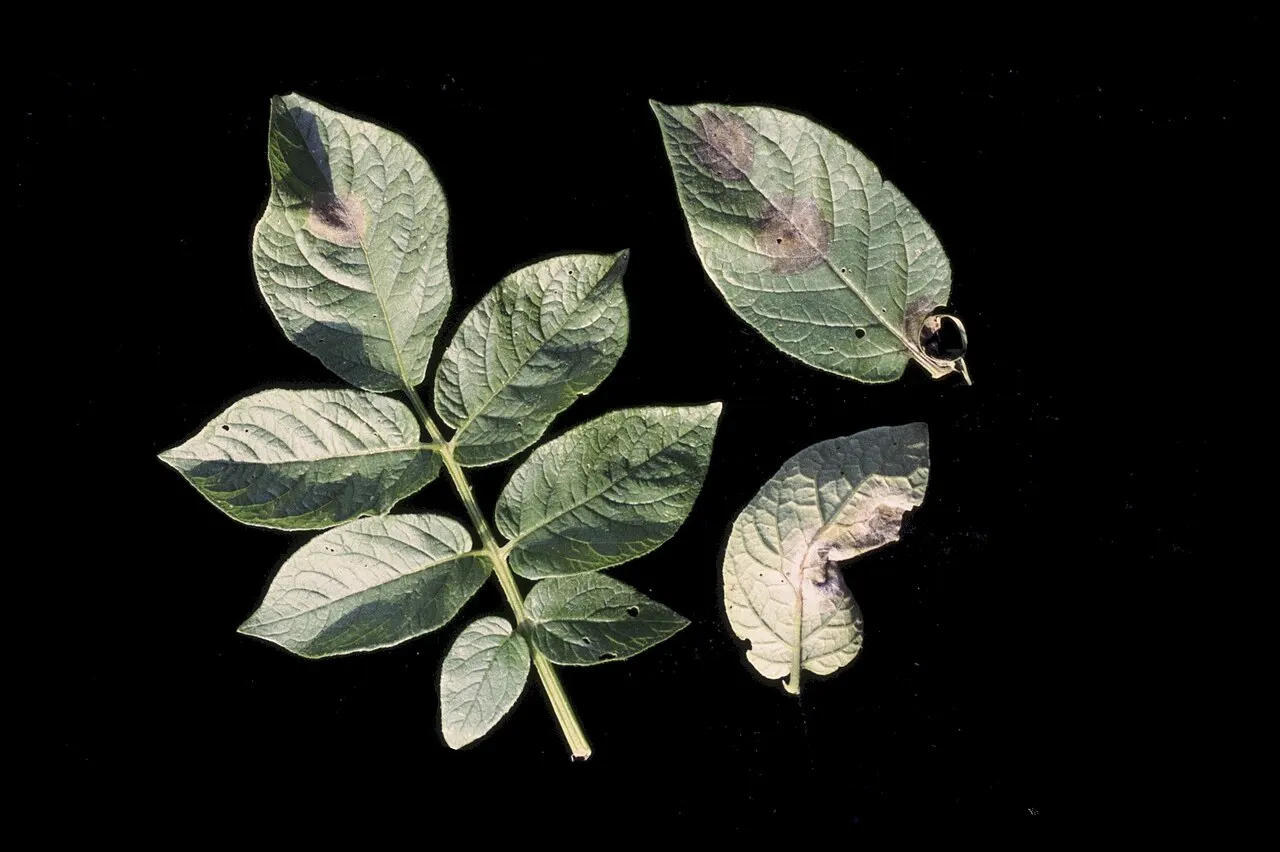

The RHS guide to potato tuber rots describes what you may find.
- Soft rot. A soft, often foul-smelling rot that can affect any part of the tuber. The bacteria can enter through damage, and they often follow other diseases. - Dry rot. Brown, often wrinkled patches of skin over hollow cavities lined with white, pink or bluish fungal growth. The tubers may shrivel into what the RHS calls mummies. - Gangrene. Sunken marks like thumb prints. The cavity inside is often much larger than the mark on the surface suggests. - Blight. Discoloured patches of skin, with a reddish-brown, granular rot often just below the surface.
Blight in the store. The RHS says blight itself does not spread to any extent in storage. The danger is what follows it. Secondary bacterial soft rots do spread, and they can cause extensive losses. The allotment-garden.org guide warns that in a bad blight year the disease can get through into the store, which is the reason for its check after one month.
Prevention is all there is. The RHS says no chemical products are available to gardeners for tuber rots. The defence is careful lifting, dry skins, cool and dry storage, and regular checks. For the diseases in the growing crop, see potato diseases.
Green and sprouting potatoes
Green. The RHS is direct: discard any potatoes that are green, as they are potentially poisonous. The NHS says not to eat any green, damaged or sprouting bits of potatoes, because these can contain toxins that can be harmful.
The AHDB describes greening as irreversible, so a green potato does not recover in the dark.
Greening starts in the row. The RHS and Garden Organic both say that earthing up keeps the developing tubers out of the light and stops them turning green.
Sprouting. The RHS stores potatoes in the dark to prevent sprouting, and says that by early spring stored potatoes start to sprout and shrivel anyway. That is the natural end of the storing season.
Cooked potatoes and the freezer
For leftovers, Love Food Hate Waste gives these figures.
- Cooked potatoes, including mash: in an airtight container in the fridge for 2 days. - In the freezer: up to 3 months in an airtight container or bag. Let them cool first. - Raw potatoes do not freeze well. Cook them, partly or fully, before freezing. - To defrost: thaw fully in the fridge and use within 24 hours. Boiled potatoes can go straight from the freezer into the oven with a little oil to crisp up.
The allotment-garden.org guide agrees that raw potatoes cannot be frozen. It freezes chips, croquettes and duchess potatoes.
Other roots are stored differently. See how to store carrots.
Storing potatoes: what the sources say
| Question | Answer |
|---|---|
| Which potatoes? | Maincrops with well-developed skins. Earlies are generally unsuitable for long-term storage |
| When to lift? | Once the leaves turn yellow, cut off the top growth and wait 10 days |
| Drying | A few hours on the soil surface, then brush off the soil |
| Container | Paper or hessian sacks, or slatted trays. Never plastic bags |
| Place | Dark, dry, cool and frost-free, such as a garage |
| Green potatoes | Discard them: they are potentially poisonous |
| Checking | Every few weeks for signs of rotting |
| How long | Aim to finish before early spring |
How to do it
- Wait until the leaves of your maincrop potatoes turn yellow. Cut off and remove all the top growth.
- Leave the tubers in the ground for 10 days before you dig.
- Lift on a dry day. Push the fork in at least 30 cm from the base of the plant so that you do not spear the tubers.
- Leave the potatoes on the soil surface for a few hours to dry, then brush off the soil.
- Sort them. Only undamaged potatoes go into store. Eat the damaged ones first.
- Fill paper or hessian sacks, or lay the potatoes on slatted trays.
- Keep them in a dark, dry, cool, frost-free place such as a garage.
- Check every few weeks and remove any potato that is rotting.
Common questions
What is the best way to store potatoes?
The RHS stores dry, undamaged potatoes in paper or hessian sacks, or on slatted trays, in a dark, dry, cool, frost-free place such as a garage, and checks them every few weeks for rot.
How long do stored potatoes last?
The RHS says to aim to finish stored maincrop potatoes before early spring, because they then start to sprout and shrivel. Garden Organic says early varieties are generally unsuitable for long-term storage.
What temperature should potatoes be stored at?
The RHS gives no figure. It says cool, dry, dark and frost-free, such as a garage. The NHS says a cool, dark and dry place or the fridge will help stop potatoes sprouting.
Can I store potatoes in the fridge?
Yes. Love Food Hate Waste says potatoes in the fridge can last more than three times as long as in a cupboard, and the NHS says the fridge helps stop them sprouting. For a whole harvest, the RHS uses sacks in a garage.
Should I wash potatoes before storing them?
None of the sources washes them. The RHS leaves the tubers in the sun for a few hours to dry, then brushes off the soil, and stores them dry and free of soil.
Can I store potatoes in plastic bags?
No, according to the allotment-garden.org guide. Light gets in, moisture stays trapped and the potatoes rot quickly. The RHS uses paper or hessian sacks, or slatted trays.
Can you eat green potatoes?
The RHS says to discard any potatoes that are green, as they are potentially poisonous. The NHS says not to eat any green, damaged or sprouting bits of potatoes, because these can contain toxins that can be harmful.
Sources
We wrote this page using the sources below.
- How to grow potatoes, Royal Horticultural Society (RHS)
- Potato tuber rots, Royal Horticultural Society (RHS)
- Potatoes (growing guide), Garden Organic
- Storing potatoes guide, allotment-garden.org
- Potatoes: how to store and use them, Love Food Hate Waste
- Starchy foods and carbohydrates, NHS
- Greening, Agriculture and Horticulture Development Board (AHDB)