
 Lavender Growing and care
How to grow lavender
Lavender does best on a kind of neglect. Sun, sharp drainage and one trim a year are what it wants. Cold, wet soil is what it cannot stand.
In short
Grow lavender in full sun and free-draining soil. Water it regularly in its first summer, then rarely. It does not generally need feeding. Keep pots fairly dry in winter and out of the rain. Trim every year after flowering, and take cuttings in early to midsummer.

What lavender needs
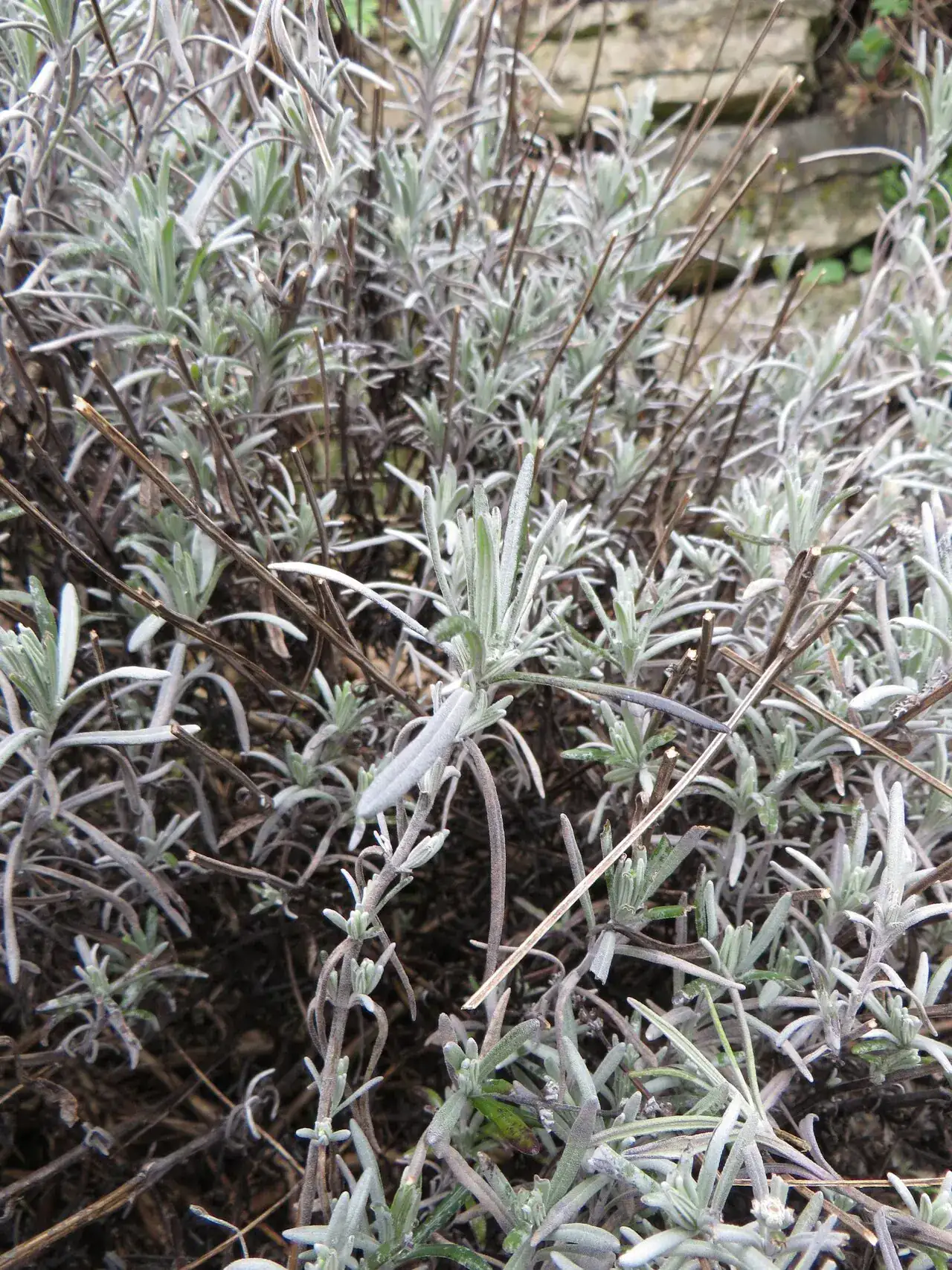
The RHS calls lavender an easy-to-grow shrub that thrives in a sunny spot, in free-draining soil or a container. It is evergreen, usually with silver-grey or grey-green foliage, and it flowers in late spring and summer.
Kew explains the plant's tastes by where it comes from. Lavender's origins are in a Mediterranean climate, it says, which makes it a good drought-tolerant plant for gardens. In the wild, English lavender grows in rocky soils, in grassy meadows and on hills and cliffsides.
So the list of needs is short, and it is mostly about what to avoid.
- Full sun. Lavender is a sun-lover, the RHS says, and it dislikes shade. - Free-draining soil. It must have free-draining soil, and thrives in poor, sandy or chalky soil. The RHS plant page for *Lavandula angustifolia* says it prefers a well-drained, neutral to alkaline soil but tolerates acidic conditions. - Dry feet in winter. Lavender hates heavy, wet soils, particularly in winter. - No cold, damp corners. It will not survive long in shady, damp or extremely cold conditions.
Get those right and, in the words of the RHS, lavender tends to be trouble free.
Two jobs have pages of their own. Planting time, spacing and soil preparation are in when to plant lavender. The yearly trim is in how to prune lavender. This page covers the rest of the care.
Lavender: what to do and when
Under cover and outdoors, for UK conditions. The weather differs from year to year and from north to south, so check your local conditions too.
Which lavender to grow
There are many different types, the RHS says, with a range of flower colours, fragrances and plant sizes. For the gardener, the divide that matters is hardiness.
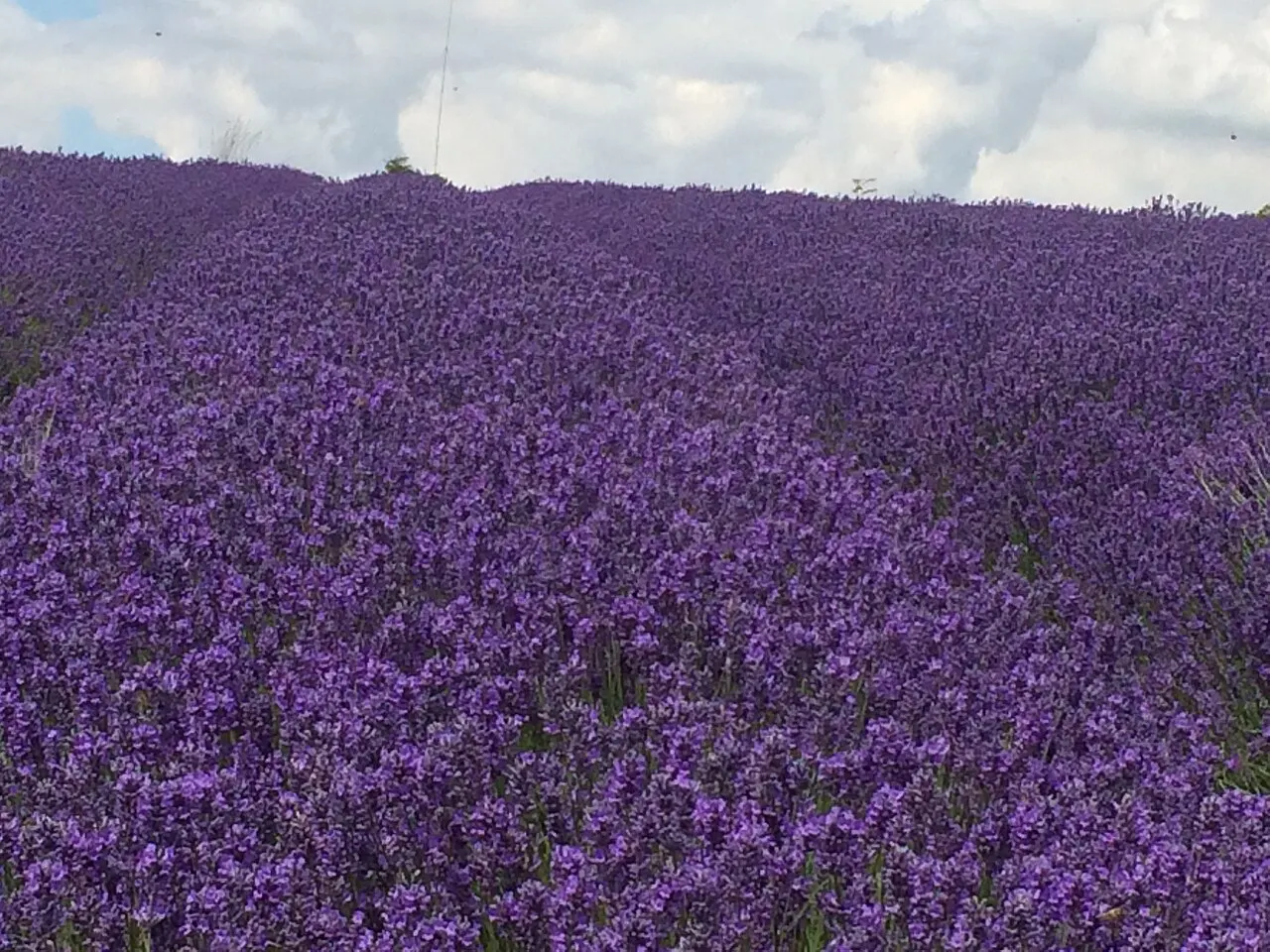
English lavender and its hybrids. These are cultivars of *Lavandula angustifolia* and *L.* × *intermedia*. The RHS calls them tough plants for borders or containers. They are usually hardy, so they can be left outside during winter in free-draining soil. They have a strong lavender scent, silver-grey leaves and purple or purple-blue flowers in summer, with mauve, pink and white forms as well. They grow from 30 cm to 90 cm tall. *L.* × *intermedia* flowers slightly later.
French and tender lavenders. These are less hardy than English types and tend to be short-lived. The RHS says they are best grown in containers and kept somewhere frost-free over winter, such as a greenhouse. They have dense flower spikes, often in softer shades of mauve, pink or cream, with a distinctive tuft or "ears" on top and a camphor-like scent. Plants grow to about 60 cm tall.
Specialist types. Some lavenders, such as those from southern Spain or the Canary Islands, are not hardy at all.
Named plants. The RHS list of ten award-winning lavenders gives a height and a hardiness rating for each. A few examples:
- 'Hidcote': 50 cm, deep violet-purple flowers in dense spikes, rated H5. - 'Imperial Gem': 40 cm, dark violet flowers in early summer, H5. - 'Miss Katherine': 40 cm, light pink flowers, H5. - 'Beechwood Blue': 30 cm, violet-blue flower spikes in early summer, H5. - 'Sussex': 1 m, lilac and violet spikes in mid to late summer, H5. - 'Royal Crown': 90 cm, rated H3. The RHS suggests growing it in a pot, to move into a light and airy place indoors in winter.
The RHS explains H5 on its plant page for *Lavandula angustifolia*: hardy in most places throughout the UK even in severe winters, down to −15 to −10 °C.
Whatever you choose, check the label. The different types vary in their tolerance to winter cold, the RHS says.
Watering
The first summer. Newly planted lavender should be watered regularly during its first summer, the RHS says.
After that. Lavender is drought tolerant. Grown in the ground, it rarely needs watering unless there are severe drought conditions.
In pots. This is the exception. Plants in containers do need regular water in summer, as they dry out quickly. The RHS waters well, then at regular intervals, once or twice a week, during summer if the weather is hot and the compost begins to dry out.
In winter. Keep containers fairly dry.
The RHS warning about water runs the other way. If it is grown in wet or heavy soil, lavender can suffer root rots, leading to its premature demise.
Lavender: growing conditions
Lavandula
- Position
- Full sun
- Soil
- Free-draining. Poor, sandy or chalky soil suits it
- Soil pH
- Neutral to alkaline preferred, acidic tolerated (RHS)
- Plant
- April or May
- Watering
- Regularly in the first summer, then rarely
- Frost
- English lavender and its hybrids are the hardiest. French and tender types need frost-free shelter
- Height
- 30–90 cm for English lavender and its hybrids
- Difficulty
- Easy
Feeding: none
This is the shortest section on the page. Lavender likes soil that is quite low in nutrients, the RHS says, so plants do not generally need feeding.
The English lavender guide makes the same point from the other side: lavender thrives in poor, sandy or chalky soil.
The RHS growing guide has no section on mulching lavender either, so this page does not suggest one.
Lavender in pots through the year
A pot suits lavender well, and for French and tender types it is the method the RHS recommends. Choosing the pot and the compost is covered on our planting page. Here is the care that follows.
Summer. Water when the compost begins to dry out in hot weather, once or twice a week.
Autumn. Move the containers to a sheltered spot over winter, so they are not exposed to really harsh weather. Plants in containers are always more susceptible to cold, the RHS explains, as their roots are less insulated than they would be in the ground.
Winter. Keep the compost fairly dry. The RHS suggests three places:
- in the lee of a wall, at the base, which gives some protection from winter rain - a coldframe - a cold greenhouse.
Keeping the roots on the dry side helps to improve the plants' tolerance to cold weather. Damp compost does the opposite, and makes them more susceptible to root rots.
Tender types. French and other tender lavenders need more than shelter. The RHS keeps them somewhere frost-free over winter, such as a greenhouse.
Deadheading and the yearly trim

Deadheading. Cut off spent blooms to encourage more to form, the RHS says. Towards the end of the flowering season you can leave them in place, as food for seed-eating birds such as goldfinches.
The trim. Left to their own devices, lavenders can become woody and ungainly. The RHS trims them annually in late summer, just after flowering has finished, removing the spent flower stalks and about 2.5 cm of leaf growth. Foliage can be clipped over in spring if growth is untidy or frost damaged.
The limit. Lavender does not break new growth easily from old stems, so do not cut back into the woody stems.
How far to cut, what to do with French lavender and whether an old plant can be rescued are all dealt with in how to prune lavender.
Pests: mostly harmless
Few pests feed on lavender, the RHS says, and they cause only cosmetic damage to the leaves, so treatment is not usually necessary. Its lavender guide names three.
Rosemary beetle. This is the most striking of the three. The RHS describes the adults as shiny insects, 6–7 mm long, with metallic purple and green stripes on their wing cases and thorax. The larvae are greyish-white with darker stripes, and 8 mm long when fully grown. Both feed on the foliage and flowers of rosemary, lavender, sage, thyme and some related plants.
- Where it came from. Southern Europe. It was first found breeding in central London in the late 1990s and has spread rapidly since. The RHS says it is now widespread throughout England and Wales and established in Scotland. - Its year. Adults are present all year. In midsummer they usually do little or no feeding. In late summer they start feeding, mating and laying eggs, which hatch after about ten days. The RHS gives August to April as the most active period. There is one generation a year. - The damage. Leaves can be reduced to short stumps with greyish-brown discolouration. In most cases, though, the overall appearance and health of the plant is unaffected. - What to do. Where possible, tolerate them. The RHS calls this beetle a colourful addition to the garden. If you want fewer, remove them by hand, or tap or shake the branches over newspaper spread underneath the plant.
Cuckoo spit. Blobs of white, frothy liquid appear on young stems and leaves in late spring and summer. Each holds the creamy white nymph of a froghopper, up to 4–6 mm long. The RHS says plant growth is usually unaffected. It adds that spittlebugs are not a pest, and asks gardeners not to remove them.
Sage and Ligurian leafhopper. The lavender guide lists it by name, without further detail.
If you do use any plant protection product, use only products approved in the UK, used as the label says.
Root rot and Xylella
Root rot. This is the one serious problem in the RHS lavender guide. In wet or heavy soil, it says, lavender can suffer root rots. To prevent this, grow it in a raised bed or a container if you have these conditions. In pots, keep the compost fairly dry in winter.
Xylella. The RHS says lavender is one of nine plants considered to be a high-risk host for the bacterium *Xylella fastidiosa*, and that gardeners should be aware of the risks posed by buying imported plants of such high-risk hosts.
The RHS page on cuckoo spit gives the background. Xylella is causing serious problems in southern Europe. It is not in the UK, but could be introduced through the importation of infected plants. The RHS describes froghoppers as an innocent carrier of Xylella outside the UK.
New plants from cuttings and seed
Lavender is easy to propagate from cuttings, the RHS says, and plants grown from cuttings will be identical to the parent.
When. The lavender guide takes softwood or semi-ripe cuttings from young plants in early to midsummer. Hardwood cuttings can be taken after flowering in late autumn, preferably from new flushes of growth. The RHS guide to semi-ripe cuttings, which lists lavender among the herbs that suit this method, gives a later season for semi-ripe cuttings in general: "from summer to mid-autumn (Jul-Sep)". Its quick facts put the timing at late summer to early autumn.
What semi-ripe means. The base of the cutting is firm, while the tip is still soft.
How. The lavender guide gives the timing. The RHS guide to semi-ripe cuttings gives the method, in these steps.
1. Select cuttings from this season's growth and remove them with sharp secateurs. 2. Put them in a plastic bag straight away. Aim to pot them within 12 hours. 3. Trim each cutting to 10–15 cm long, cutting just below a leaf node. 4. Remove the lowest leaves and the soft tip. There will usually be about four leaves left. 5. Insert the cuttings into a mix of 50 percent free-draining, peat-free potting compost and 50 percent sharp sand. Water well and allow to drain. 6. Place the container in a greenhouse, or cover the pot with a plastic bag or put it in a propagator. Keep the compost damp, but remove excess moisture. 7. Harden off the rooted cuttings for two to three weeks before potting them on.
Rooting is quick for cuttings taken in summer, the RHS says, and such cuttings seldom need bottom heat.
Seed. You can collect seed from dry seedheads in late summer, store it over winter and sow in spring into small pots or trays of peat-free seed compost. Seeds from cultivars will produce plants that may vary from the parent. The RHS plant page for *Lavandula angustifolia* suggests sowing in a cold frame in spring.
When to replace a plant
Lavender does not last for ever, and the RHS says so plainly. Even if pruned annually, older lavender plants can become straggly, very woody and misshapen. They are best replaced if you want to keep everything looking neat.
French and tender types go sooner. The RHS describes them as tending to be short-lived.
That is the practical case for taking a few cuttings every so often. A cutting taken this summer is a plant of the same variety, ready to step in.
The RHS plant page for *Lavandula angustifolia* gives a sense of pace: it reaches its ultimate height, 0.5–1 m, in two to five years.
What lavender is for
Bees. The RHS says the flowers are very attractive to bees and other pollinating insects, and to butterflies. Kew adds that lavender honey is produced by bees visiting lavender plants exclusively.
Drying. Leaves and flowers can be dried to make lavender bags and pot pourri, and are even used in baking, the RHS says. Our pruning page has a method for cutting flowers to dry.
Scent. These plants have long been grown for their oils, which are used in perfumes. Kew lists soaps, perfumes and lotions.
The kitchen. Kew says both the flower buds and the green leaves and stems are used in herbal teas, and that lavender is often used in sweet desserts such as cakes, shortbreads and even ice cream.
In the garden. The RHS suggests English lavender for cottage gardens and herb beds, and as an aromatic edging around vegetable or herb plots.
Kew also has the royal gossip. Elizabeth I, it says, carried lavender to fight off stenches, as well as the plague, and Queen Victoria preferred lavender jelly over mint with her roast lamb.
Cheat sheet: growing lavender
| What | Advice |
|---|---|
| Site | Full sun. Not shady, damp or extremely cold |
| Soil | Free-draining. Thrives in poor, sandy or chalky soil |
| Watering, new plants | Regularly during the first summer |
| Watering, established plants | Rarely, unless there is a severe drought |
| Feeding | Not generally needed |
| Pots in summer | Once or twice a week in hot weather, when the compost begins to dry out |
| Pots in winter | Fairly dry: a cold greenhouse, or the rain shadow at the base of a wall |
| Hardiest types | English lavender and its hybrids |
| Trimming | Every year in late summer, just after flowering |
| Cuttings | Softwood or semi-ripe in early to midsummer, hardwood in late autumn |
How to do it
- Choose the sunniest spot you have, with free-draining soil. On wet or heavy ground, use a raised bed or a container.
- Pick a type to suit the site: English lavender or its hybrids for the open garden, French and tender lavenders for pots.
- Water a new plant regularly through its first summer.
- After that, leave the watering can alone unless there is a severe drought. Do not feed.
- Water pots when the compost begins to dry out in hot weather, once or twice a week.
- Cut off spent blooms to encourage more. Leave the last ones for seed-eating birds.
- Trim every year in late summer, just after flowering, without cutting into the woody stems.
- Before winter, move pots to a sheltered spot out of the rain and keep them fairly dry.
- Take a few cuttings in early to midsummer, so that you have young plants ready when the old ones turn woody.
Common questions
Is lavender easy to grow?
Yes. The RHS calls it an easy-to-grow shrub that thrives in a sunny spot, in free-draining soil or a container, and tends to be trouble free in the conditions it enjoys. It will not survive long in shady, damp or extremely cold conditions.
How often should I water lavender?
Water regularly in the first summer after planting. After that, the RHS says lavender in the ground rarely needs watering unless there is a severe drought. Pots need water once or twice a week in hot summer weather.
Should I feed lavender?
No. The RHS says lavender likes soil that is quite low in nutrients, so plants do not generally need feeding.
How do I look after lavender in winter?
English lavender and its hybrids are usually hardy and can stay outside in free-draining soil. Move pots to a sheltered spot, such as the base of a wall, a coldframe or a cold greenhouse, and keep them fairly dry. Keep French and tender types frost-free.
What is the striped beetle on my lavender?
Rosemary beetle. The RHS describes it as shiny, 6–7 mm long, with metallic purple and green stripes. It says host plants often survive it without noticeable harm, and the lavender guide says treatment is not usually necessary. You can remove the beetles by hand.
Why did my lavender die?
The RHS guide points to wet. In wet or heavy soil lavender can suffer root rots, leading to its premature demise. Shady, damp or extremely cold spots also shorten its life. Grow it in a raised bed or container on such ground.
When should I take lavender cuttings?
The RHS takes softwood or semi-ripe cuttings from young plants in early to midsummer, or hardwood cuttings after flowering in late autumn. Plants grown from cuttings are identical to the parent.
Sources
We wrote this page using the sources below.
- How to grow lavender, Royal Horticultural Society (RHS)
- English lavender (plant guide), Royal Horticultural Society (RHS)
- Lavandula angustifolia (plant details), Royal Horticultural Society (RHS)
- 10 award-winning lavenders, Royal Horticultural Society (RHS)
- Rosemary beetle, Royal Horticultural Society (RHS)
- Cuckoo spit (spittlebugs), Royal Horticultural Society (RHS)
- Cuttings: semi-ripe, Royal Horticultural Society (RHS)
- English lavender (Lavandula angustifolia), Royal Botanic Gardens, Kew