
 Gladioli When to sow and plant
When to plant gladioli
Many garden gladioli are not fully hardy, the RHS says. Plant the corms in spring, enjoy the spikes in summer and lift them again before winter.
In short
The RHS plants traditional summer gladioli from mid April through to May. Set large corms 10–15 cm deep, about three corms stacked, and space them at a similar distance. Plant in batches every couple of weeks to stagger flowering. Lift non-hardy corms in late summer or early autumn.
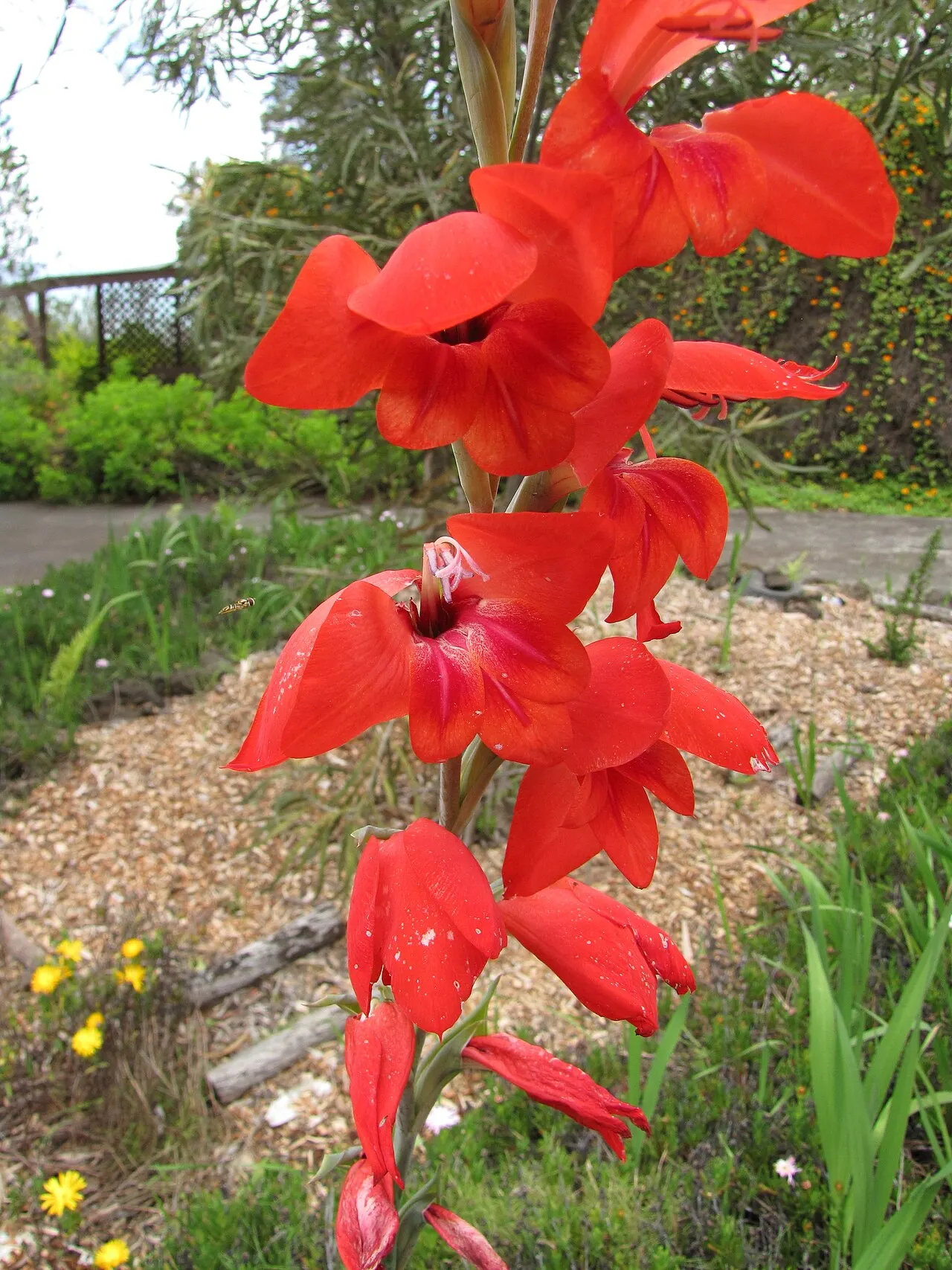

Gladioli: what to do and when
Under cover and outdoors, for UK conditions. The weather differs from year to year and from north to south, so check your local conditions too.
Hardy or tender: why most gladioli go in each spring
Not all gladioli are the same. The RHS says some species and cultivars are hardy, while others need protection from frost in winter.
The ones that are not fully hardy include the familiar summer-flowering grandiflorus hybrids, with large or smaller flowers, the butterfly and primulinus hybrids, the earlier-flowering nanus types and acidanthera (*Gladiolus murielae*). These are the gladioli you plant each spring and lift each autumn.
Hardy types, such as *Gladiolus communis* subsp. *byzantinus*, are different. The RHS says they are left in the ground to come back year after year. Give them a sunny spot with well-draining soil, perhaps at the foot of a wall. They can also naturalise in grass.
The RHS bulb planting guide puts it simply: plant tender summer-flowering bulbs, including gladioli, in early spring.
When to plant: the RHS dates
The RHS gladiolus guide gives different dates for different groups.
Traditional summer-flowering hybrids are planted from mid April through to May. Their growing tips only come up once the danger of frost is past, usually around the end of May or the beginning of June.
Early-flowering garden gladioli, such as the nanus hybrids, go into a sunny site in early spring, from late March to mid April, and flower in June. You can also plant them in autumn in a cold frame for an early crop of cut flowers.
The RHS sources do not quite agree on timing. Its general bulb guide says to plant tender summer bulbs, including gladioli, in early spring. Its gladiolus guide starts the big summer hybrids later, in mid April. If you grow the large summer types, the mid April date is the more specific advice.
Frost in May: the Met Office page
The gladiolus shoots appear only after the risk of frost has passed, the RHS says. The Met Office May gardening page helps you judge when that is where you live.
The Met Office says that in May the UK has an average monthly minimum of 6 °C, so it is unusual to have more than a couple of frosty nights, even in Scotland. Some frost hollows can still be prone. On the same page, the Met Office passes on tips from RHS experts. They say tender bedding plants can be planted out in the latter half of May in southern England, as long as you are confident the risk of frost has passed. Ground frosts remain a possible problem in low-lying frost pockets, in Scotland and in northern regions.
What is the difference? The Met Office explains that an air frost is when the air, usually measured at least a metre above the ground, falls to freezing or below. A ground frost is ice forming on the ground, objects or trees. Frost on grass can still happen in late spring or early summer, after the widespread risk has gone, and the Met Office says gardeners in particular need to be aware of it.
Plant in batches for a longer show
If you plant all your corms on the same day, they will flower at about the same time. The RHS suggests planting in batches every couple of weeks, so they do not all flower together. If you grow gladioli for cutting, this also staggers the crop.
How deep and how far apart
The RHS rule is easy to remember: plant corms at the depth of three corms stacked on top of each other. For large-flowered garden hybrids that means 10–15 cm deep. On light, sandy soil you can plant a little deeper, which helps the tall spikes stand up to the wind.
Space the corms at about the same distance as their depth. In containers you can plant them closer.
For early-flowering nanus types, the RHS describes a pot method. Plant 5 corms in a 15 cm pot, 6 cm deep, and sink the pot level with the ground outdoors so the roots grow in cool weather. In early December, bring the pot into frost-free conditions, such as a cool heated greenhouse, to flower.
Site and soil
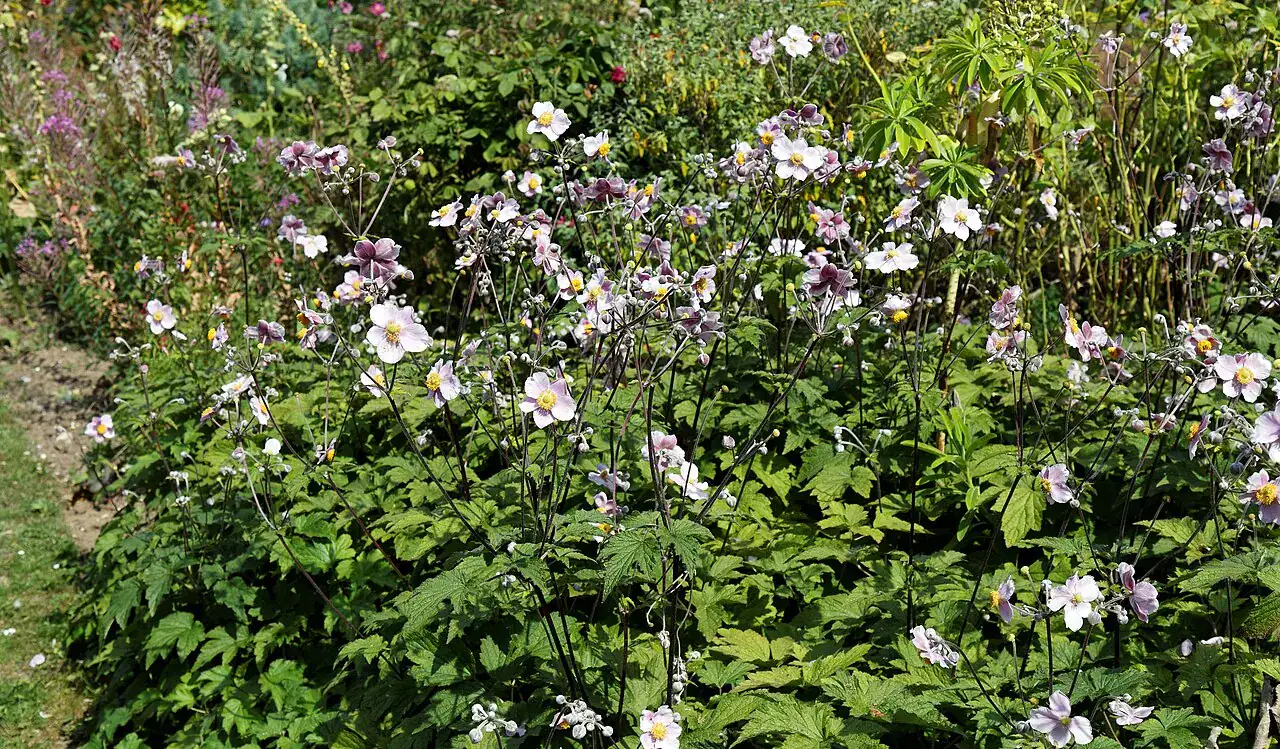

The RHS says gladioli need a sunny, open place, clear of competition and shade from surrounding plants. They enjoy fertile, well-draining soil or potting compost. If you grow tall hybrids, find a spot sheltered from wind.
At planting time the RHS adds a dressing of general purpose fertiliser.
Staking, watering and feeding
You do not have to stake gladioli, the RHS says, but staking stops the blooms flopping over. Gladioli grown for the show bench usually need each spike staked with a cane. The taller grandiflorus hybrids can instead grow up through horizontal mesh, such as pig wire fencing.
In the ground, water during dry weather and on free-draining soils. On poorer soils, the RHS says gladioli benefit from a high-potassium liquid feed once the flower spikes start to emerge, to help them flower.
For pots, the RHS says to water to keep the compost damp, and once growth appears, to check every day that it has not dried out.
Lifting and storing the corms
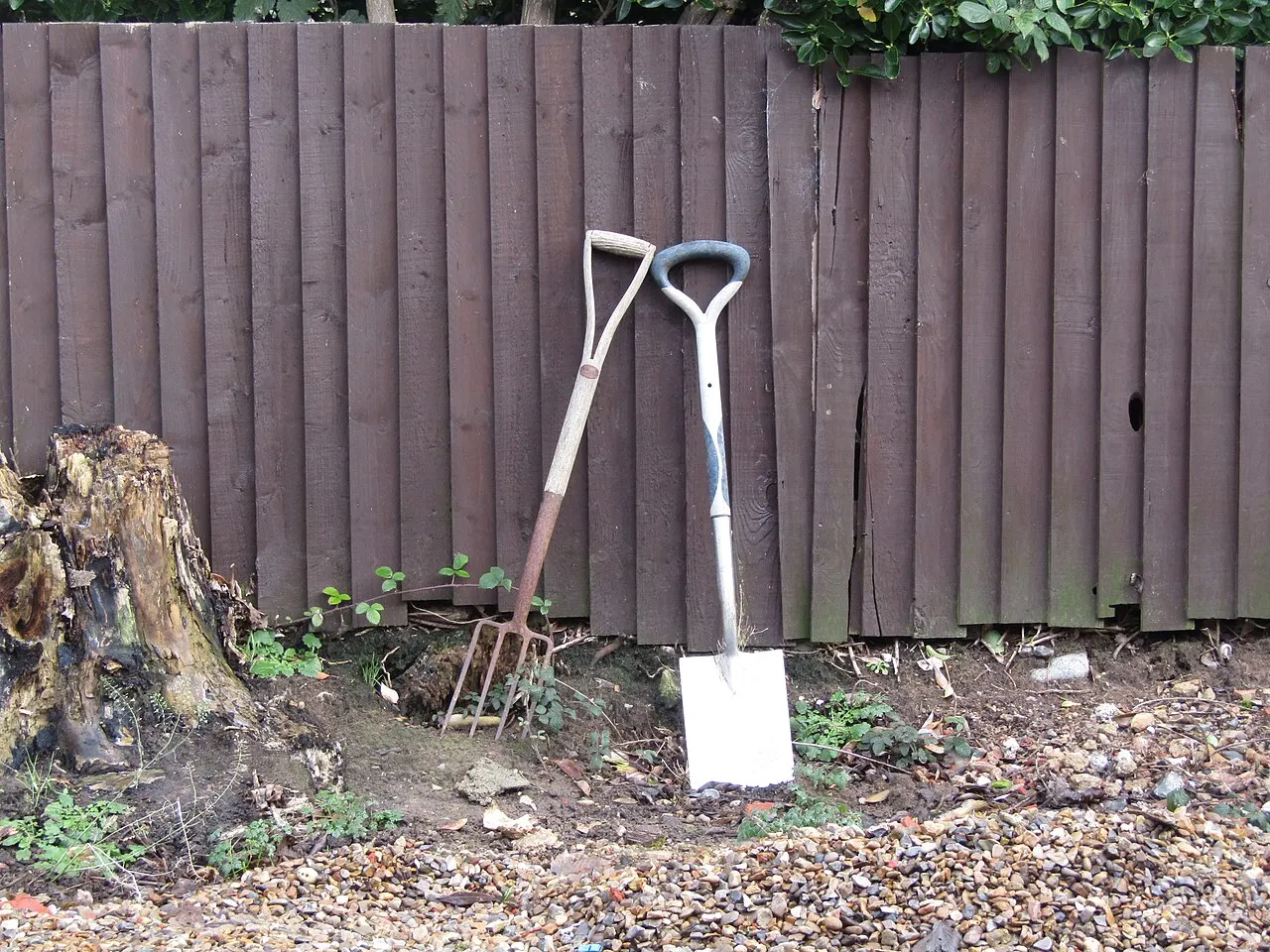

On most soils and in most places in the UK, the RHS lifts non-hardy gladioli in late summer or early autumn.
The leaves of summer-flowering hybrids stay green into autumn, so do not wait for them to die down. Lift the corms before the foliage fades, usually about six weeks after flowering. Cut the leaves back to a short stub and remove the small cormlets.
Then dry the corms in a warm, airy place for a few weeks. Remove the old shrivelled corm, rub away any dirt and store the undamaged corms in trays in a cool, frost-free place indoors over winter. Check them occasionally and throw away any rotten ones. The RHS overwintering guide adds that gladiolus corms can be lifted and stored like other bulbs.
Can you leave them in? On well-drained soil in warmer regions you can try to avoid lifting every year, the RHS says, but it is risky. If in doubt, lift them for winter.
Gladiolus thrips and other problems
The RHS calls gladioli fairly trouble free. The pest it describes in most detail is gladiolus thrips. Look for white flecks on the leaves and flowers. In heavier attacks the petals turn brown and buds fail to open. Affected corms get rough, grey-brown patches.
The thrips are most active from July to September. They spend the winter hidden on stored corms, and can keep breeding there while the temperature stays above 10 °C. To cut their numbers, the RHS suggests getting rid of the top growth before the corms are fully dry, and drying the corms completely before storing them. It also suggests tolerating some damage and encouraging natural enemies.
Other problems the RHS lists are aphids, slugs, corm rot, viruses and grey mould. Our slugs guide covers what UK sources say about slugs.
Cormlets: new plants for free
Gladioli make small corms, called cormlets, around the main corm, the RHS says. You can store them and plant them out to grow on. Plants raised from cormlets should reach flowering size in one to two years. Species gladioli can also be raised from seed.
The RHS also notes that gladioli left in the ground and those grown in containers can become congested over the years.
How deep and how far apart to plant gladioli (RHS)
| What you plant | Depth | Spacing |
|---|---|---|
| Large-flowered garden hybrids | 10–15 cm, about three corms stacked on top of each other | About the same as the depth |
| The same corms on light, sandy soil | A little deeper, so they stand up better in wind | About the same as the depth |
| Any gladioli in containers | As in the ground | Closer than in the ground |
| Early-flowering (nanus) types in a pot | 6 cm | 5 corms in a 15 cm pot |
How to do it
- Choose a sunny, open spot, clear of shade and competition from other plants. Tall hybrids need a place sheltered from wind.
- Give the corms fertile, well-drained soil. The RHS adds a dressing of general purpose fertiliser at planting time.
- From mid April, plant the corms 10–15 cm deep, about the height of three corms stacked, and as far apart as they are deep.
- Plant another batch every couple of weeks until the end of May, so they do not all flower at once.
- Water during dry weather and on free-draining soils. On poorer soil, give a high-potassium liquid feed when the flower spikes start to show.
- If you want straight spikes, stake them with canes or grow tall types through horizontal mesh.
- Lift the corms while the leaves are still green, usually about six weeks after flowering.
- Dry them in a warm, airy place for a few weeks, then store the sound ones in trays somewhere cool and frost-free indoors.
- Check them now and then over winter and throw away any that rot.
Common questions
When should I plant gladiolus corms in the UK?
The RHS plants traditional summer-flowering gladioli from mid April through to May. Early-flowering nanus types go into a sunny site from late March to mid April and flower in June.
How deep should I plant gladioli?
At the depth of three corms stacked on top of each other, the RHS says. For large-flowered hybrids that is 10–15 cm. Plant a little deeper on light, sandy soil and space the corms about as far apart as they are deep.
Can I plant gladioli in June?
The RHS planting window for summer-flowering hybrids runs from mid April through to May. Our sources do not give advice for planting later than that.
Can I leave gladioli in the ground over winter?
Hardy types such as Gladiolus communis subsp. byzantinus can stay in the ground. For the non-hardy hybrids, the RHS says you can try it on well-drained soil in warmer regions, but it is risky. If in doubt, lift them.
When should I lift gladiolus corms?
The RHS lifts summer-flowering hybrids before the foliage fades, usually about six weeks after flowering, which on most UK soils means late summer or early autumn. Dry them for a few weeks and store them cool and frost-free.
Do gladioli need staking?
Not always. The RHS says staking is optional but stops the blooms flopping over. Show gladioli usually need a cane for each spike, and tall grandiflorus hybrids can be grown through horizontal mesh.
Sources
We wrote this page using the sources below.
- How to grow gladioli, Royal Horticultural Society (RHS)
- Bulbs: planting tips, Royal Horticultural Society (RHS)
- Overwintering tender plants: lifting or mulching, Royal Horticultural Society (RHS)
- Gladiolus thrips, Royal Horticultural Society (RHS)
- 5 gardening tips for May, Met Office
- What is frost and ice?, Met Office