
 Hebes Pruning
Pruning hebe
A hebe asks for very little: a light trim and the odd deadhead. The one thing it will not forgive is a hard cut into bare wood, so it pays to know where to stop.
In short
Hebes rarely need pruning. The RHS prunes them lightly in mid- to late spring, removing unsightly shoots or clipping over with shears to restore the shape. Deadhead spent flower spikes as they fade. Do not cut back into woody stems: hebes often fail to re-sprout from them.
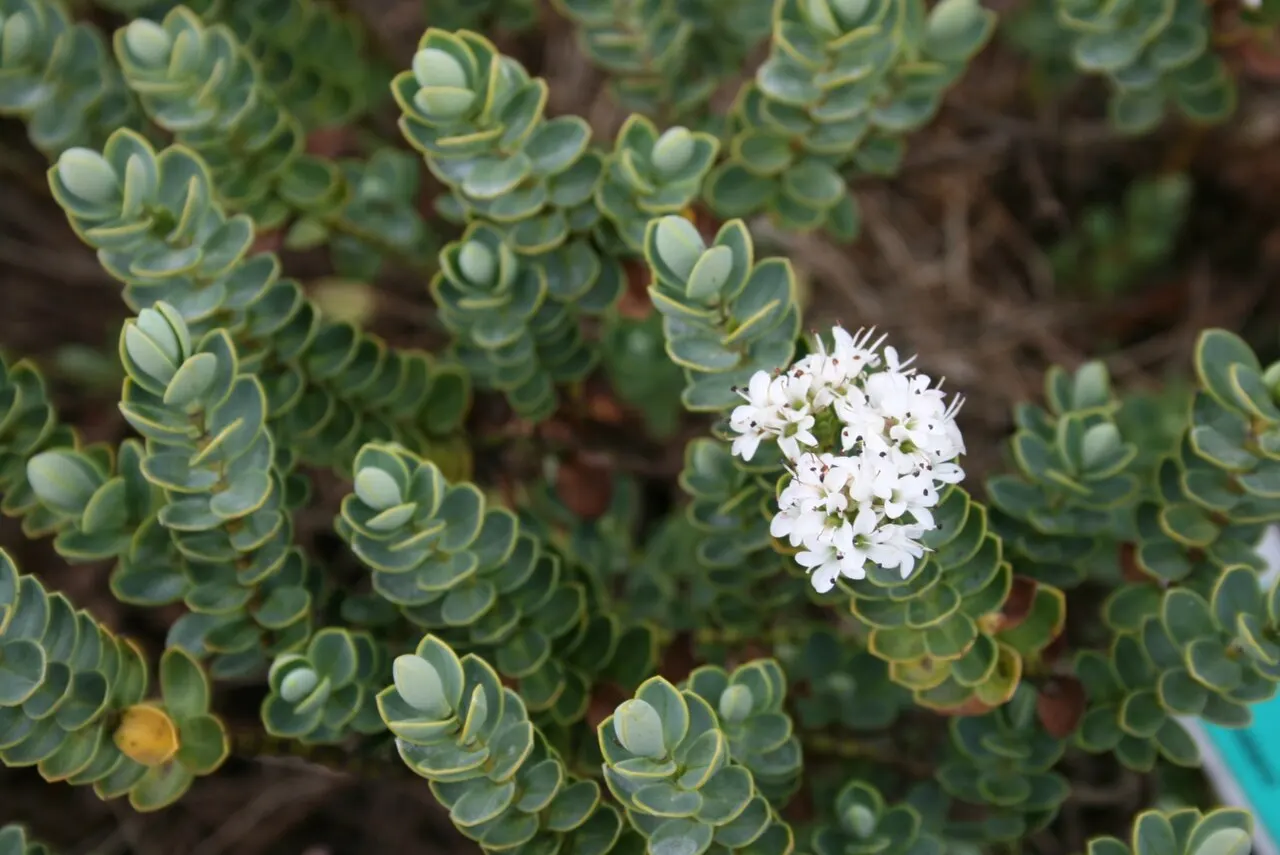

The short answer: a light trim in spring, deadhead in summer
Most hebes need very little pruning. The RHS says they are mostly slow-growing and form a neat, rounded shrub on their own.
When to prune. The RHS guide to pruning evergreen shrubs puts hebes in a group pruned in mid- to late spring, lightly, removing unsightly shoots as needed.
How. For a light tidy-up, the RHS growing guide says to clip over the plant with shears to restore its shape.
Deadheading. Remove spent flower spikes as soon as they fade. The RHS says this keeps the plant tidy and prolongs flowering.
The one rule. Hebes do not respond well to hard pruning, the RHS warns, and often fail to re-sprout if you cut back into woody stems.
Gardens Illustrated, in an article by former nurseryman John Hoyland, agrees: a light, annual pruning keeps hebes neat and compact and helps them flower well.
Hebes: what to do and when
Under cover and outdoors, for UK conditions. The weather differs from year to year and from north to south, so check your local conditions too.
Why spring, and not autumn
Frost is the reason. The RHS says most evergreen shrubs are best pruned just before growth starts in mid-spring, after the risk of frost has passed, because pruning then avoids frost damage to the new shoots.
Hebes are more tender than many evergreens. Gardens Illustrated says most carry an RHS hardiness rating of H3 or H4, and that some can suffer frost damage to new shoots. The RHS growing guide says most hebes are hardy but prefer a warm, sunny spot, and a few need shelter in winter.
Which are toughest. The RHS says green, purple and silvery-leaved hebes are the hardiest. Variegated kinds are not fully hardy and can be damaged outside in winter.
Our reading: leave the winter-scarred shoots on the plant until spring. They shelter the growth beneath, and you will see clearly what has died once new buds start to move.
Frost damage: the end-of-March check
After a hard winter, some hebe stems may be burnt by frost, Gardens Illustrated says. Its advice is to inspect the plant at the end of March and prune away damaged stems, cutting back to a live bud.
How to find a live bud. Our reading: follow each brown shoot down until you reach healthy green leaves or a fat, green bud, and cut just above it. If a whole branch is dead into the old wood, remove it at its base.
Where the dates differ. Gardens Illustrated says end of March; the RHS evergreen guide gives mid- to late spring for the general prune. Our reading: do the frost check first, at the end of March or once the worst cold has passed, and save any shaping for mid- to late spring.
Deadheading through the summer
Hebes flower for a long time. Gardens Illustrated gives the season as midsummer to mid-autumn, with most flowers between June and September. The RHS lists purple, mauve, pink and white flowers, available for many months over summer.
Deadhead as you go. Gardens Illustrated says simply cut out the dead flowers immediately after they finish. The RHS says removing spent spikes as soon as they fade keeps the plant tidy and prolongs flowering.
For bees. The RHS says hebe flowers attract bees and butterflies, and the dense evergreen shrubs shelter insects and other small creatures. Our reading: deadheading only takes off the faded spikes, so the fresh ones keep feeding pollinators.
Can you cut back a leggy hebe?
This is the question most hebe owners eventually ask, and the honest answer is: usually not successfully.
The RHS warning. Hebes don't respond well to hard pruning and often fail to re-sprout if you cut back into woody stems.
They are short-lived anyway. Gardens Illustrated points out the irony: the genus is named after the Greek goddess of youth, yet most hebes perform best for less than a decade.
What to do instead.
1. Take cuttings. The RHS says to take softwood or semi-ripe cuttings, semi-ripe from July to September. Most root readily, and many smaller-leaved types root best from semi-ripe shoots. Do not overwater them, as they can rot. 2. Overwinter the young plants in a well-ventilated, frost-free place and plant out the following spring. The RHS expects flowers in about two years. 3. Replace the old plant once the young ones are ready.
Our reading: if you want to try cutting an old hebe back anyway, treat it as an experiment. Cut only into stems that still carry leaves, and have the cuttings rooting as a back-up.
Hebe hedges and clipped hebes
Hebes can be grown as a hedge. The RHS growing guide spaces hedging plants 30 cm apart, or 45 cm for larger cultivars.
Clipping. The RHS evergreen guide says shrubs in this pruning group that are grown as hedges, topiary or for foliage tolerate heavier pruning. Keep it to clipping the leafy surface.
Balls instead of box. Gardens Illustrated says small-leaved hebes are sometimes clipped tightly into balls as an alternative to box. It looks attractive, but the flowers are sacrificed.
By the sea. The RHS says silver-leaved hebes suit seaside, gravel and Mediterranean-style gardens. Gardens Illustrated adds that hebes tolerate high winds and salt spray, though they dislike cold wind.
Good growing means less pruning
Many hebes that need rescuing are in the wrong place. The RHS growing guide gives the basics:
- Sun and drainage. Full sun and fast-draining soil. Chalky and alkaline soil is fine; heavy clay and waterlogged ground are not. On heavy soil, plant in a raised bed. - Planting time. April or May, as the soil warms. Never in winter, when young plants can rot in cold, wet soil. - Spacing. About 90 cm apart in a group. - Pots. A container 30–40 cm across with large drainage holes, filled with peat-free multipurpose compost, or peat-free John Innes No. 2 mixed with coarse grit. Water regularly in summer, keep fairly dry in winter, move pots to shelter and raise them on bricks so the drainage holes stay clear.
Problems. The RHS lists root rot in wet or heavy soil, and downy mildews and leaf spot, especially under glass without enough ventilation. Aphids may appear on new growth, but treatment is usually unnecessary.
Choosing a replacement. If you are starting again, the RHS says around 30 hebes hold its Award of Garden Merit, a useful shortlist. You may find them labelled *Veronica*: the RHS says the genus has recently been renamed, though labels may still say *Hebe*. Gardens Illustrated notes that hebes were first classified as veronicas, so the new name is a return to an old one. Most come from New Zealand, with a few from elsewhere in the southern hemisphere.
Buying plants. The RHS names hebe as one of nine plants considered high-risk hosts for the bacterium *Xylella fastidiosa*, so be cautious with imported plants.
Common mistakes
Cutting into bare wood. Hebes often fail to re-sprout from woody stems (RHS).
Pruning in autumn. The RHS times the light prune for mid- to late spring, after the risk of frost.
Removing frost damage in midwinter. Wait until the end of March, Gardens Illustrated says, then cut back to a live bud.
Clipping a flowering hebe into a tight ball. Fine if you want the shape, but you lose the flowers.
Trying to rescue a very old plant. Most hebes are at their best for less than a decade. Root cuttings in summer and start again.
Lavender is another small evergreen shrub that resents cuts into old wood: see how to prune lavender.
A hebe through the year
| When | Job |
|---|---|
| End of March | Cut frost-burnt stems back to a live bud |
| April or May | Plant new hebes as the soil warms |
| Mid- to late spring | Light prune: remove unsightly shoots, or clip over to restore shape |
| As each spike fades (mostly June to September) | Deadhead |
| July to September | Take semi-ripe cuttings |
| Winter | Keep pots fairly dry and sheltered, raised on bricks |
How to do it
- Wait until mid- to late spring, after the risk of frost.
- Cut any frost-burnt stems back to a live bud.
- Remove shoots that spoil the shape, or clip lightly over the whole plant with shears.
- Stay in the leafy part. Do not cut back into bare, woody stems.
- Through summer, snip off each flower spike as it fades.
Common questions
When should I prune a hebe in the UK?
Lightly in mid- to late spring, the RHS says, after the risk of frost. Cut frost-burnt stems back to a live bud at the end of March (Gardens Illustrated), and deadhead each flower spike as it fades.
Can you cut a hebe back hard?
It is risky. The RHS says hebes don't respond well to hard pruning and often fail to re-sprout from woody stems. Take semi-ripe cuttings from July to September and replace an old plant instead.
Should I deadhead my hebe?
Yes. The RHS says removing spent flower spikes as soon as they fade keeps the plant tidy and prolongs flowering.
Why has my hebe gone woody and bare in the middle?
Age is a common reason: Gardens Illustrated says most hebes perform best for less than a decade. Because they rarely regrow from old wood, raising new plants from cuttings is the reliable fix.
Is hebe now called veronica?
Yes. The RHS says the genus has recently been renamed, so Hebe is now Veronica, although plant labels may still use Hebe.
Sources
We wrote this page using the sources below.
- How to grow hebes (shrubby veronica), Royal Horticultural Society (RHS)
- Shrubs: pruning evergreens, Royal Horticultural Society (RHS)
- Hebe: how to grow, when to prune and which to plant, Gardens Illustrated