
 Dahlias When to sow and plant
When to plant dahlias
Dahlias flower right up to the first frosts, but the RHS says they will not survive frost themselves. Timing is everything, at both ends of the season.
In short
The RHS starts dahlia tubers in pots in spring and plants them out once there is no danger of frost, usually late May, or early to mid June in colder regions. Tubers can go straight outside in mid to late April. Lift them after the first frosts, by late November.
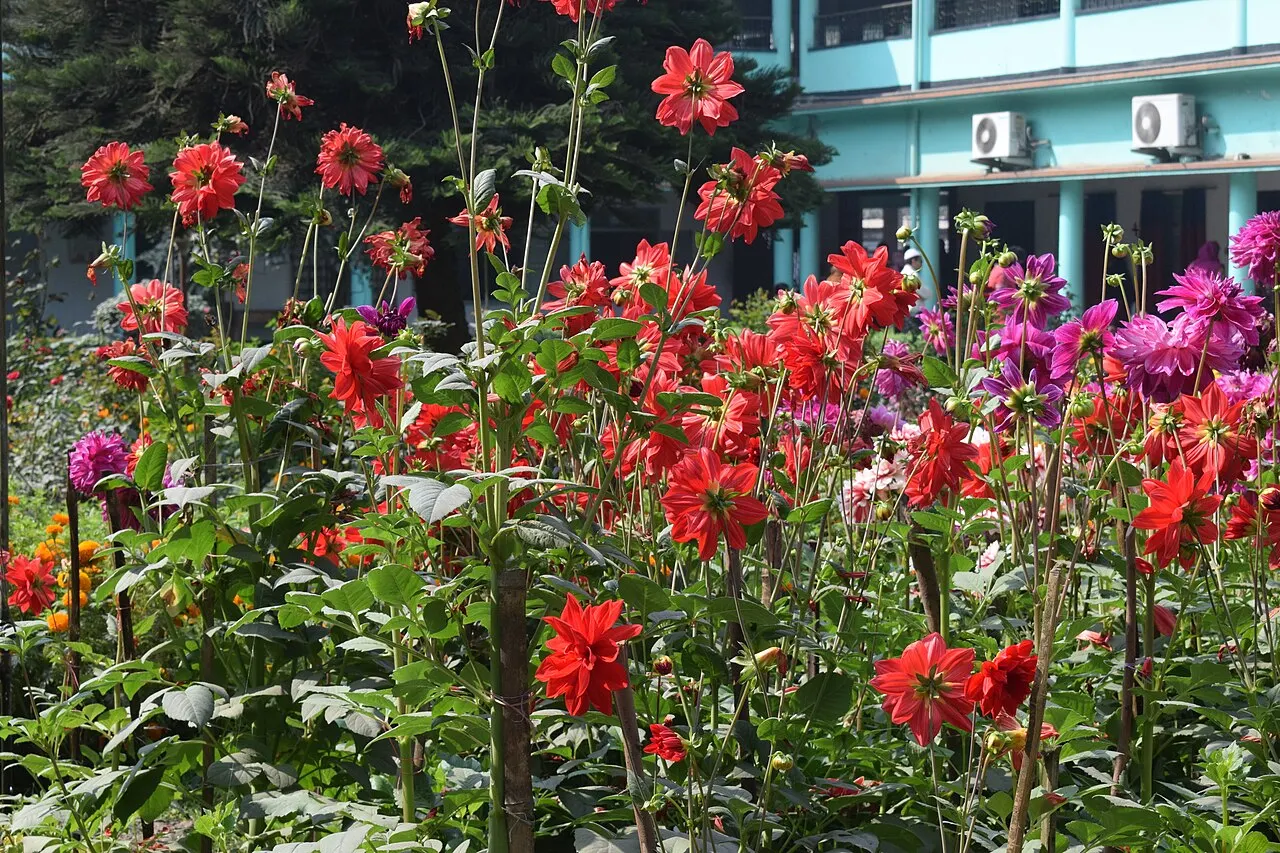

Dahlias: what to do and when
Under cover and outdoors, for UK conditions. The weather differs from year to year and from north to south, so check your local conditions too.
Why dahlias wait for warm weather
Dahlias come originally from Central America and Mexico, the RHS says, and they are tender perennials. They will not survive frost, so the RHS keeps them indoors until temperatures are consistently above 5 °C.
In milder parts of the UK they may survive winter outdoors, especially under an insulating mulch.
The reward is a long season. The RHS says dahlias light up sunny borders through summer and into late autumn, and are especially valuable in late summer and autumn, blooming through to the first frosts.
When to plant: the RHS dates
The RHS gives two ways to start.
In pots first. Stored tubers are best planted in containers in spring, then moved to their flowering site once there is no danger of frost. That is usually late May, or early to mid June in colder regions.
Straight into the ground. If you do not have space to start them indoors, you can plant tubers directly outdoors in mid to late April. The RHS explains that although frosts are still likely then, the soil will not freeze, so the tubers will be safe and start to make roots. By the time the shoots come up in early June, all danger of damaging frost will be over.
Frost: reading the forecast
The Met Office May gardening page gives general advice for tender plants. The tips on it come from RHS experts, and their examples are bedding plants such as canna and fuchsias, not dahlias.
The Met Office says the UK has an average May minimum of 6 °C, so more than a couple of frosty nights is unusual, even in Scotland, although some frost hollows can still be prone. The RHS tips on the page say tender bedding plants can be planted out in the latter half of May in southern England, as long as you are confident the risk of frost has passed. Ground frosts remain a possible problem in low-lying frost pockets, in Scotland and in northern regions.
The Met Office says frost is more likely on clear nights with little cloud and light winds. Frost on grass can still happen in late spring or early summer, after the widespread risk has passed, and gardeners in particular need to be aware of it.
Starting tubers in pots
Dormant tubers usually look like a cluster of sausages, joined at the top by old stems, the RHS says. Plant them in pots of peat-free multipurpose compost.
Keep the pots frost-free, in good light and only slightly moist. Some tubers are slow to sprout, and overwatering can quickly cause them to rot. Water lightly and sparingly as leafy shoots appear.
If you want to keep a dahlia in a container all summer, the RHS suggests a larger pot, around 50 cm wide.
How to plant a dahlia tuber
Dig a deep hole to take the long tubers, the RHS says, and position them so the top of the tubers, where the shoots appear, is just below soil level.
Give each plant room. The RHS leaves at least 60 cm between plants, and more for larger cultivars. Rooted cuttings go 50–60 cm apart.
Dahlias in full flower can be top heavy, especially after rain. Dwarf bedding dahlias do not need staking. For most others, the RHS says strong bamboo canes are enough, either one per plant or four in a square around the clump, with twine. Giant dahlias with very large flowers need a stout post for each stem.
Site and soil
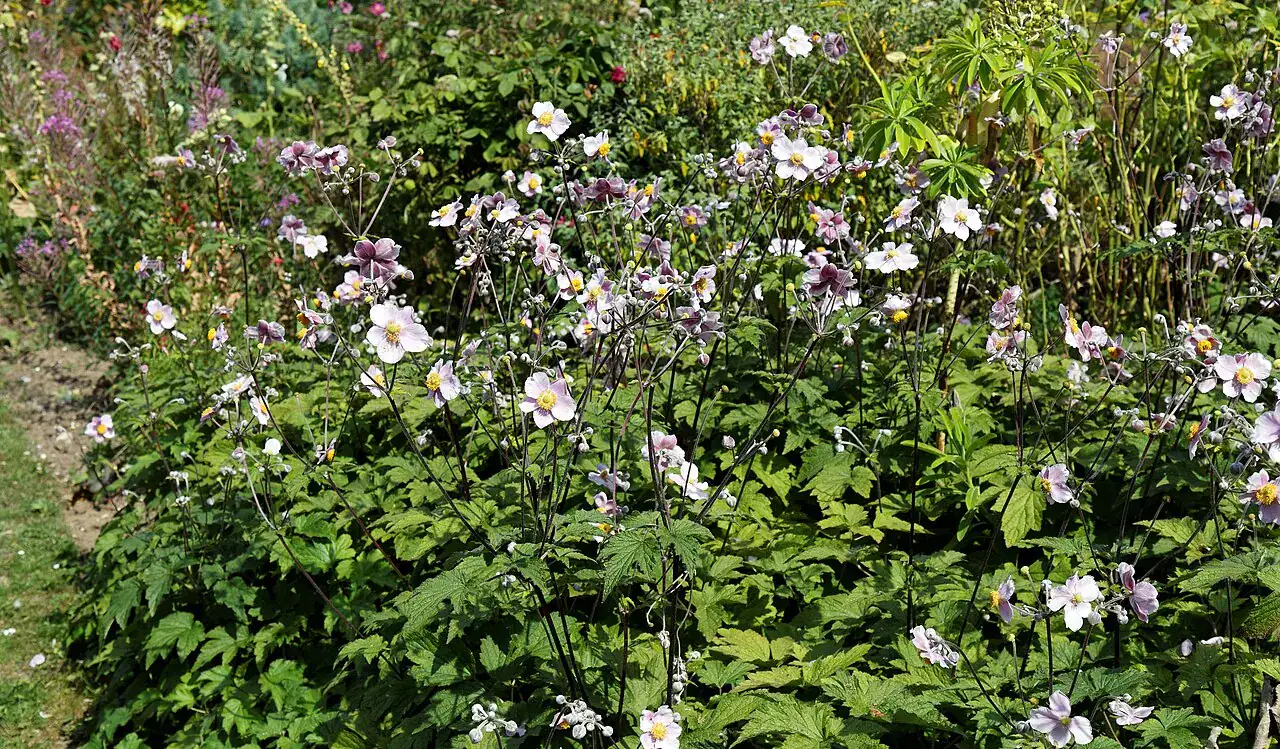

The RHS says dahlias need a warm, sheltered, sunny spot and fertile soil that is moist, yet free-draining.
Soil type also affects winter survival. The RHS notes that in lighter soils, dahlias are more likely to survive winter outdoors.
Care after planting
Slugs and snails particularly enjoy young dahlia shoots, so the RHS protects plants in their early stages of growth. Our slugs guide covers what UK sources say about slugs.
Dahlias are thirsty plants, the RHS says. Those in the ground need extra water in dry, hot weather, and those in containers need regular watering all season. In containers, a potassium-rich liquid fertiliser such as tomato feed, given fortnightly from early July to early September, boosts flowering. Lots of leaves but few flowers can be a sign of too much nitrogen-rich fertiliser.
When the main stem reaches about 40 cm, pinch out the tip. The plant branches at that point and becomes bushier. Then deadhead regularly, ideally every week, so the plant puts its energy into flowers, not seeds. The RHS tip for telling them apart: flower buds are usually rounded, while spent flowers are pointed.
Lifting in autumn
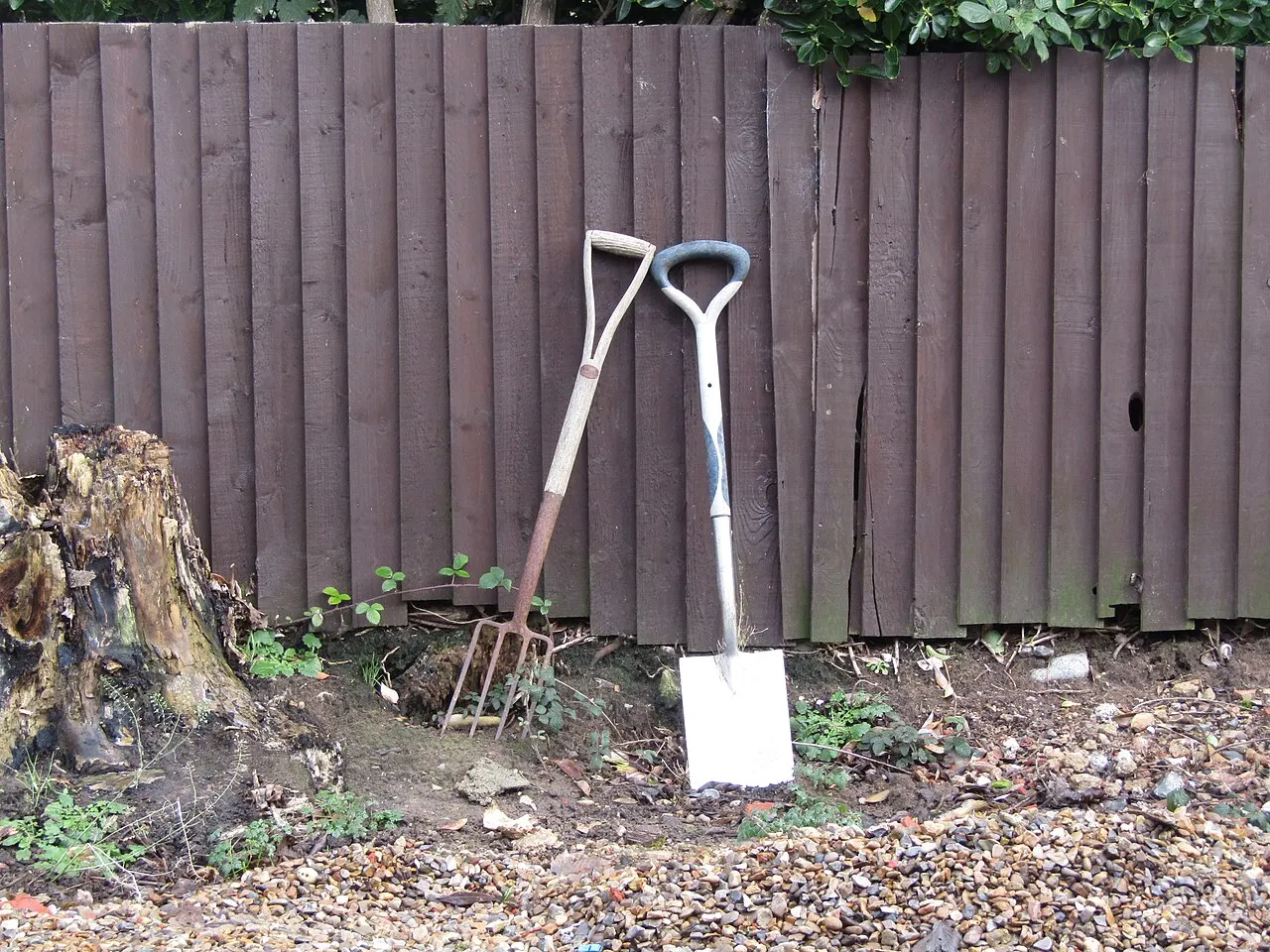

The RHS overwintering guide says tender plants need protection at the first warning of frost, usually between September and November. It lifts dahlias once the foliage has been blackened by the first frost. The RHS dahlia guide agrees, and adds that if frosts are late, you should still dig up the tubers by late November.
Dig carefully. The RHS overwintering guide warns that damaging, cutting or bruising the tubers can lead to rots in storage. Shake or rub off as much soil as you can.
Cut the stems back to 5–15 cm and trim off any damaged tubers. Then turn the tubers upside down for a few weeks, somewhere cool, so all the moisture drains out of the hollow stems.
Storing tubers over winter
Only store dried, healthy, undamaged tubers, the RHS says. Keep them in a dark, cool but frost-free place, such as a shed or garage. Check them regularly and remove any showing signs of rot.
The RHS overwintering guide labels each cultivar and buries the tubers in trays or wooden boxes of dry sand, soil or compost, leaving only the old flower stalks showing.
If you want to divide a clump, the RHS dahlia guide says to do it in spring, because any wounds can let rot in during storage.
Leaving dahlias in the ground
If you live in a milder region or have light, free-draining soil, you can leave dahlias in the ground, the RHS says. It is by far the easiest option, but it is a risk. An unexpectedly harsh or very wet winter can lead to losses.
The two RHS guides give different mulch depths. The dahlia guide covers the crowns with 15 cm of mulch. The overwintering guide asks for a thick, dry mulch at least 5 cm thick, applied from late autumn to late winter (November to February), using straw, garden compost, chipped bark or well-rotted manure. Plants left under mulch may grow and flower a little later than those lifted and replanted in spring.
A dahlia year, according to the RHS
| What to do | |
|---|---|
| Start in pots | In spring, in peat-free multipurpose compost, frost-free, in good light and only slightly moist |
| Plant out | Once there is no danger of frost, usually late May; early to mid June in colder regions |
| Straight into the ground | Mid to late April |
| Depth | Top of the tubers, where the shoots appear, at or just below the soil surface |
| Spacing | At least 60 cm, more for larger cultivars |
| Pinch out | When the main stem is about 40 cm tall |
| Feed in pots | Potassium-rich liquid feed fortnightly, early July to early September |
| Lift | After the first frosts damage the foliage; by late November at the latest |
| Store | Dark, cool, frost-free place such as a shed or garage |
How to do it
- In spring, plant stored tubers in pots of peat-free multipurpose compost. Keep them frost-free, in good light and only slightly moist.
- Water lightly and sparingly as the leafy shoots appear. Overwatering can quickly rot the tubers.
- Choose a warm, sheltered, sunny spot with fertile soil that is moist yet free-draining.
- Plant out once there is no danger of frost, usually in late May, or early to mid June in colder regions.
- Dig a deep hole for the long tubers and set the top of the tubers just below soil level.
- Leave at least 60 cm between plants, and more for larger cultivars.
- Protect the young shoots from slugs and snails.
- Support all but dwarf bedding dahlias with strong bamboo canes and twine.
- When the main stem is about 40 cm tall, pinch out the tip for a bushier plant.
Common questions
When can I plant dahlias outside in the UK?
Once there is no danger of frost, the RHS says, usually in late May, or early to mid June in colder regions. Dahlias will not survive frost.
Can I plant dahlia tubers straight into the ground?
Yes. The RHS says you can plant tubers directly outdoors in mid to late April. The soil will not freeze, and by the time shoots come up in early June the danger of frost is over.
How deep should I plant dahlia tubers?
Dig a deep hole for the long tubers and set the top of the tubers, where the shoots appear, just below soil level, the RHS says.
How far apart should dahlias be planted?
At least 60 cm apart, and more for larger cultivars, the RHS says. Rooted cuttings go 50–60 cm apart.
When should I dig up dahlias?
Once the first frosts have damaged or blackened the foliage, the RHS says. If frosts are late, still dig the tubers up by late November.
Do I have to lift dahlias for winter?
Not always. In milder regions or on light, free-draining soil you can leave them in under a mulch, the RHS says, but a harsh or very wet winter can lead to losses. The RHS guides give 15 cm or at least 5 cm of mulch.
Sources
We wrote this page using the sources below.
- How to grow dahlias, Royal Horticultural Society (RHS)
- Overwintering tender plants: lifting or mulching, Royal Horticultural Society (RHS)
- Edimental: dahlias for edible tubers, Royal Horticultural Society (RHS)
- 5 gardening tips for May, Met Office
- What is frost and ice?, Met Office