
 Beetroot Growing and care
How to grow beetroot
Beetroot is one of the least demanding crops on the plot. The skill lies in what you hold back: too much water gives you leaves, and too much patience gives you oversized roots.
In short
Grow beetroot in a sunny spot, in fertile soil that drains well. Once established it needs little water: every 10–14 days in dry spells. Weed by hand near the plants, thin to 10 cm for larger roots, and pull them between golf ball and cricket ball size.
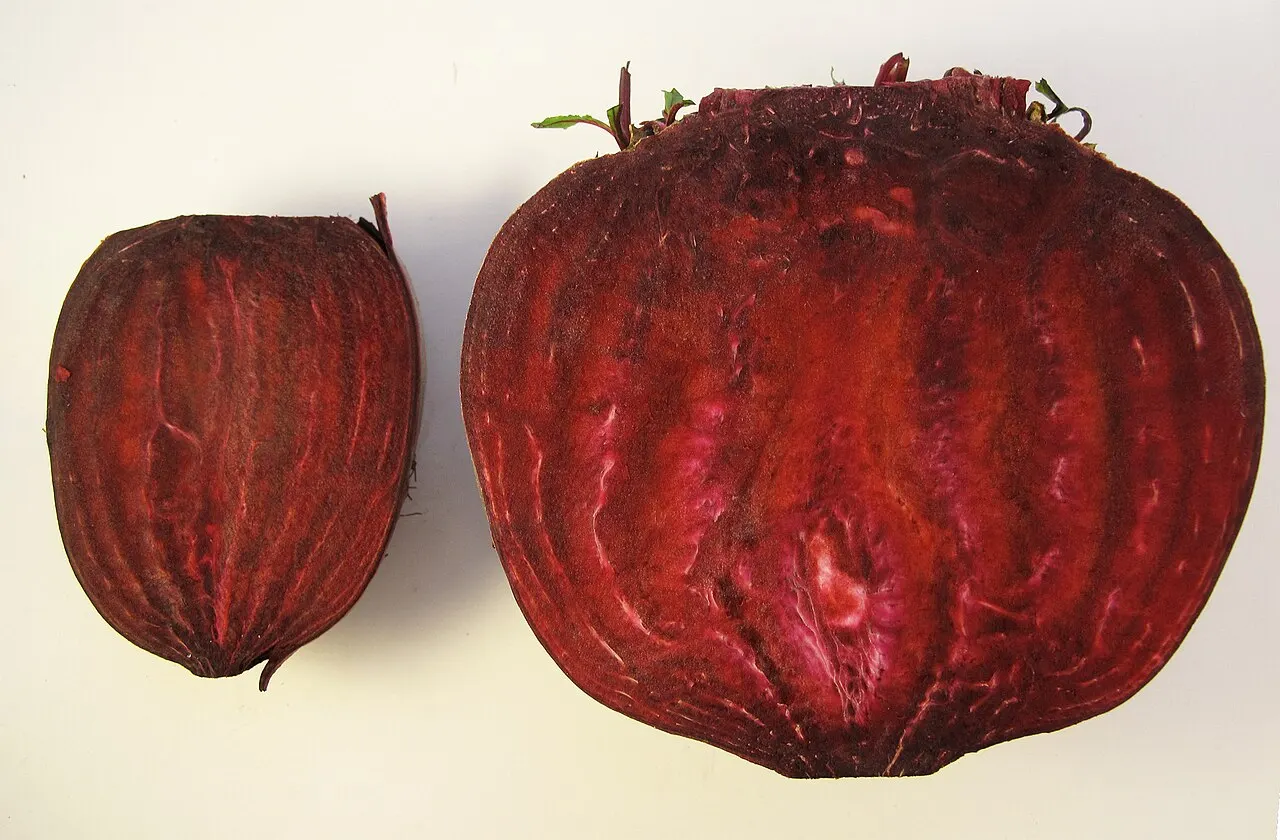

What beetroot needs
The RHS calls beetroot a popular and easy-to-grow crop, ideal for beginners. The plants take up little room and can be grown in containers.
Its list of needs is short.
- Sun. Choose a sunny site. - Fertile soil that drains well and does not become waterlogged. - A weed-free start. The RHS weeds the ground thoroughly, then adds plenty of organic matter, such as garden compost or well-rotted manure. Our compost guide shows how to make your own.
Garden Organic adds a useful note for awkward corners. On its growing guides page it lists beetroot among shade-tolerant vegetables to try. The RHS guide asks for a sunny site, so the two differ here.
No-dig beds. The RHS mulches the surface and sows or plants directly into the mulch.
Cold, heavy soil. For early spring sowings on heavy clay, the RHS warms the ground under cloches for a couple of weeks first. This should not be necessary on light, sandy soil, which warms up more rapidly in spring.
Sowing dates, depth and spacing have a page of their own: when to sow beetroot. This page picks up once the seed is in the ground.
Beetroot: what to do and when
Under cover and outdoors, for UK conditions. The weather differs from year to year and from north to south, so check your local conditions too.
Thinning, or not
Here beetroot is kinder than carrots. The RHS says there is usually no need to thin beetroot seedlings.
It depends on the size of root you want.
- Small roots. Leave the seedlings as they are. Seeds sown two or three together, in groups 15 cm apart, are what the RHS calls ideal for harvesting as baby veg, and useful when space is tight. - Larger roots. Thin the seedlings once they are about 2.5 cm tall, to 10 cm apart, removing the weaker ones.
Nothing is wasted. The RHS adds the thinnings to salads.
Why several seedlings come up together. Most beetroot seeds, the RHS explains, are made up of a cluster of seeds rather than just one. So one "seed" can give you two or three plants in the same spot.
Clumps from modules. If you raised plants in modules with several seedlings in each, do not split them up. The RHS plants each clump 15 cm apart, firms it in gently and waters well.
Watering: go easy
Beetroot is a crop you can overwater.
Seedlings. The RHS waters seedlings regularly in dry spells until they are well rooted.
Established plants. Once established, beetroots do not usually need much watering, the RHS says. In dry spells, or in very free-draining soil, water every 10–14 days.
The warning. Excessive watering, the RHS says, can lead to too much leafy growth at the expense of root growth. You grow a fine head of leaves and a small root.
How dry is too dry? The RHS guide to watering vegetables puts beetroot with carrots and parsnips. These, it says, require watering before the soil becomes dry, and it gives 14 days without rain as an example. That fits the 10–14 days in the beetroot guide.
Pots are different. Plants in containers need regular watering, because the compost dries out quickly.
BBC Gardeners' World puts it more strongly. It says to water beetroot plants regularly, as this reduces the likelihood of the roots becoming woody or splitting. The RHS beetroot guide does not mention woody or split roots, so that reason rests on Gardeners' World alone. The two do not really clash: neither wants the bed bone dry, and the RHS simply warns you not to overdo it.
Beetroot: growing conditions
Beta vulgaris
- Position
- Sun
- Soil
- Fertile, draining well, not waterlogged
- Spacing
- 30 cm between rows, 10 cm apart in the row, rows 30 cm apart, seeds 10 cm apart (RHS)
- Sow
- Late March or April to July
- Harvest
- Early summer to mid-autumn
- Watering
- Little once established. Every 10–14 days in dry spells
- Difficulty
- Easy
Feeding and weeding
Feeding. The RHS feeds only when there is a reason. If your plants are not growing strongly and need a boost, it says to apply an organic high-nitrogen liquid fertiliser. It gives no amount, so follow the label.
Weeding. Weed regularly, the RHS says, to reduce competition for nutrients and water. This is particularly important while the plants are young. Close to the plants, weed by hand, so that a hoe blade does not damage the top of the root.
That is the whole of the routine in the RHS guide: a little water, a feed for a slow row, and clean ground.
Beetroot in pots

Beetroot is a good crop for a pot. The RHS gives two ways of doing it, in two different guides.
A big pot of full-size roots. The beetroot guide uses a large container at least 40 cm wide, in a sunny spot.
- Fill it with peat-free multi-purpose compost. - Choose varieties with rounded roots, not long, deep ones. - Space the seeds 10 cm apart and cover them with about 2.5 cm of compost. Water well. - Or plant module-raised plants 10 cm apart, and clumps 15 cm apart.
A smaller pot of baby beets. In its guide to an edible container of baby carrots, beetroots and onions, the RHS uses containers that are ideally more than 20 cm deep, and suggests a pot 25 cm in diameter for each crop.
- Cover the seed with a 1.5 cm layer of compost. - Aim for seedlings roughly 4–5 cm apart each way. - Add the thinned-out leaves to your salads. - Start harvesting as soon as the roots are the size of a golf ball.
For baby beets, the RHS suggests globe cultivars bred for the purpose and names 'Pronto' and 'Pablo'.
Watering. As the plants grow they need more water, the RHS says, daily if the weather is dry.
Which beetroot to grow
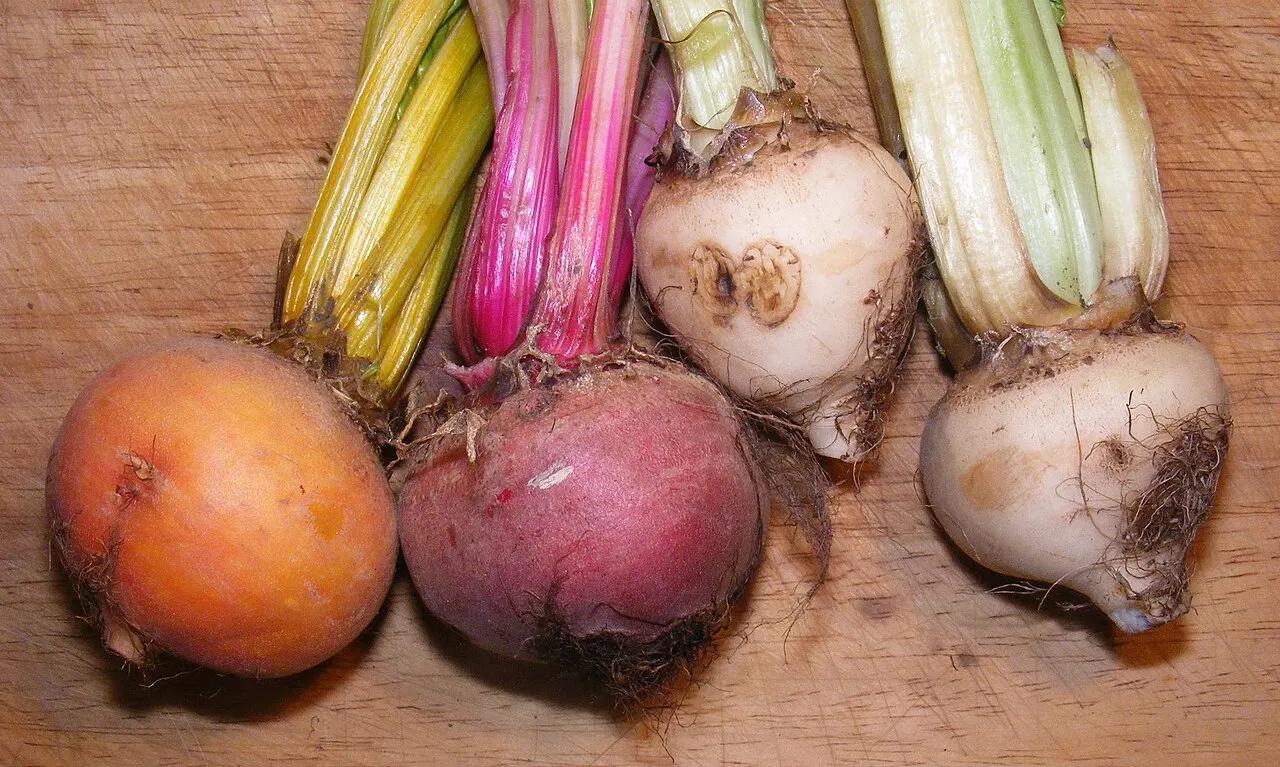
Most beetroot varieties make rounded or oval roots, the RHS says, but there are also choices with long or tapered roots.
Colour. Roots can be crimson, orange, yellow, white or even pink-and-white striped. The paler colours are easier to prepare in the kitchen, the RHS notes, as they do not stain your hands.
Bolt resistance. Bolt-resistant varieties are a good option, especially for early sowings, which are otherwise prone to bolting.
For reliability, the RHS points to varieties with its Award of Garden Merit (AGM). Its beetroot guide lists these.
- 'Boltardy' (AGM): popular for early cropping, resistant to bolting. - 'Wodan' (AGM): early maturing, with bright red, round roots. Good for pickling. - 'Pablo' (AGM): round, dark red roots. It can be sown across the season. - 'Forono' (AGM): elongated, dark red roots that are sweet and easy to peel. - 'Cheltenham Green Top' (AGM): an old variety with a long, tapering root that stores well. - 'Babietola di Chioggia', as the RHS spells it: an Italian variety with striking pink and white rings when sliced.
For leaves, the RHS mentions 'Bull's Blood', which has glossy, deep red foliage.
Problems: bolting and beet leaf miner

The RHS list of beetroot troubles is short.
Bolting. In hot, dry weather, or if sown in very cool conditions, beetroots may bolt, the RHS says. That means they run to flower. Its answer is to choose bolt-resistant varieties, above all for early sowings.
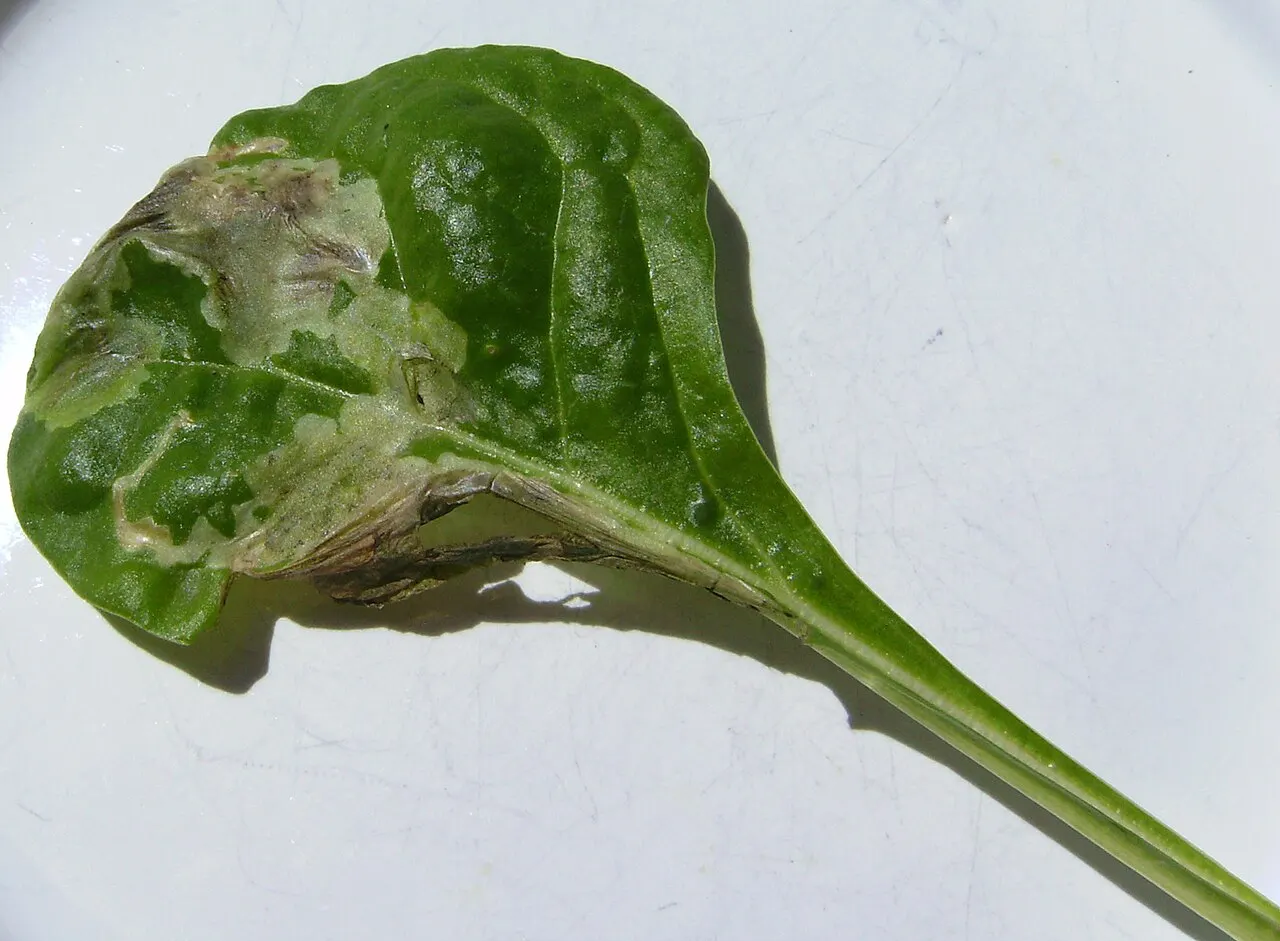
Beet leaf miner. This is a fly, *Pegomya hyoscyami*, whose larvae tunnel inside the leaves of beetroot, spinach beet and Swiss chard.
- What you see. Large, irregular, blotch-shaped mines. The damaged areas may be pale green at first, but the mined parts soon turn brown and shrivel. - When. The RHS says there are two or three generations between April and September. - Where it hides. The white eggs are laid in small groups on the underside of leaves. The fully grown larvae go into the soil, where they spend the winter as pupae.
What the RHS suggests:
- Grow the plants under insect barrier netting, which stops the female flies laying eggs on the leaves. - Rotate the crop if you do. Otherwise adult flies can emerge from pupae in the soil and be trapped under the netting with your plants. - Remove mined leaves, or squeeze the mined areas to crush the maggots. The RHS says this may give some control. - Most leaf miners have natural enemies, including parasitoid wasps.
The larvae feed on the inside of the leaf. The RHS page does not describe any damage to the root.
Downy mildew. The RHS beetroot guide also lists downy mildews, which it says can affect the yield and quality of edible crops.
Slugs and birds. The RHS beetroot guide does not mention either. BBC Gardeners' World does: it says beetroot seedlings can be attacked by slugs and snails as they emerge, and that birds can pull seedlings out of the ground. This rests on Gardeners' World alone. If slugs are a problem on your plot, see our slugs guide.
If you do use any plant protection product, use only products approved in the UK, used as the label says.
Harvesting
Beetroot is quick. The RHS says it can be ready in as little as 40 days, though usually between 50 and 60. The harvest runs from early summer through to mid-autumn, depending on sowing time and variety.
Size. Pull the roots anywhere from golf ball to cricket ball size. For the best flavour, the RHS harvests them at 4–7 cm across.
How. Loosen the soil with a hand fork. Once the roots reach golf ball size, lift out alternate plants. Harvest the rest when they are no larger than a cricket ball.
Leaves. They are edible too, the RHS says, and often tinted or veined with red. Cook them like spinach, or add young leaves raw to salads. Leave at least four or five on each plant.
Garden Organic's guide to harvesting and storing adds a few rules for root crops, beetroot included. Harvest carefully, so that you do not damage the skin. Remove the excess soil, but do not wash or scrub the roots. Take the leaves off by twisting them close to the crown.
Storing beetroot for winter
Late sowings are the ones to keep. The RHS says beetroots sown from June onwards can be harvested in autumn and stored for use in winter. Larger roots store better than small ones.
The RHS method.
1. Brush off the soil. 2. Cut or twist off the leaves about 2.5 cm from the base. 3. Place the roots in a container of dry sand, potting compost or coir. 4. Keep it in a garage or shed. The roots should keep for at least a couple of months.
Garden Organic's method is close, with two differences worth knowing. It packs root crops in shallow crates or boxes, separating the layers with slightly damp packing material, such as leaf mould, sand, sieved soil, sawdust from untreated wood, or coir. The RHS says dry sand. And Garden Organic gives a temperature: keep them very cool, at 0–4 °C.
Garden Organic also explains why this works at all. These roots are the storage organs of biennial plants, it says, so they store naturally and easily.
Leaving them in the ground. In mild locations where there is no risk of the soil freezing in winter, the RHS says late crops of beetroot can be left in the ground until needed.
BBC Gardeners' World is more hopeful about how long stored roots last. It keeps them in a box of relatively moist sand or compost in a cool shed, and says they should last right through to March. That figure is from Gardeners' World alone.
Cheat sheet: growing beetroot
| What | Advice |
|---|---|
| Site | Sunny, with fertile soil that drains well and does not become waterlogged |
| Before sowing | Weed thoroughly, then add plenty of garden compost or well-rotted manure |
| Watering | Little once established. Every 10–14 days in dry spells or on very free-draining soil |
| Feeding | Only if plants are not growing strongly: an organic high-nitrogen liquid fertiliser |
| Weeding | Regularly, by hand close to the plants |
| Thinning | Usually not needed. For larger roots, to 10 cm apart at about 2.5 cm tall |
| Pots | A large container at least 40 cm wide, peat-free multi-purpose compost, round-rooted varieties |
| Ready | In as little as 40 days, usually 50 to 60 |
| Harvest size | Golf ball to cricket ball, best at 4–7 cm across |
| Storing | Roots sown from June onwards, in dry sand in a garage or shed (RHS). Very cool, 0–4 °C (Garden Organic) |
How to do it
- Choose a sunny bed with fertile soil that drains well. Weed it thoroughly and add plenty of garden compost or well-rotted manure.
- Sow from late March or April to July, once the soil has reached at least 7 °C. Sow a short row every few weeks.
- Water the seedlings regularly in dry spells until they are well rooted.
- Weed regularly. Close to the plants, weed by hand so that a hoe does not damage the roots.
- For larger roots, thin the seedlings to 10 cm apart once they are about 2.5 cm tall. Eat the thinnings in salads.
- Once the plants are established, water every 10–14 days in dry spells. Do not overdo it.
- From golf ball size, loosen the soil and lift alternate plants. Lift the rest before they are bigger than a cricket ball.
- For winter, store roots sown from June onwards in a container of dry sand in a garage or shed.
Common questions
Is beetroot easy to grow?
Yes. The RHS calls it a popular and easy-to-grow crop, ideal for beginners. It needs a sunny site and fertile soil that drains well, takes up little room and can be grown in containers.
How often should I water beetroot?
Not often. The RHS says established beetroots do not usually need much watering: every 10–14 days in dry spells or on very free-draining soil. Too much water gives leafy growth at the expense of the root. Pots need regular watering.
Does beetroot need feeding?
Usually only the compost or manure added before sowing. The RHS says that if plants are not growing strongly and need a boost, you can apply an organic high-nitrogen liquid fertiliser.
Do I have to thin beetroot?
The RHS says there is usually no need. If you want larger roots, thin the seedlings to 10 cm apart once they are about 2.5 cm tall, and add the thinnings to salads.
Can I grow beetroot in pots?
Yes. The RHS uses a large container at least 40 cm wide, filled with peat-free multi-purpose compost, with round-rooted varieties sown 10 cm apart. For baby beets, a pot more than 20 cm deep will do.
Why are there brown blotches on my beetroot leaves?
Probably beet leaf miner. The RHS says the larvae of this fly tunnel inside the leaves, making large, irregular blotches that turn brown and shrivel. Remove the mined leaves, or grow the crop under insect barrier netting.
Can I eat beetroot leaves?
Yes. The RHS says the leaves can be cooked like spinach, and young leaves can be added raw to salads. Leave at least four or five leaves on each plant.
Sources
We wrote this page using the sources below.
- How to grow beetroot, Royal Horticultural Society (RHS)
- Beet leaf miner, Royal Horticultural Society (RHS)
- Watering vegetables and fruit, Royal Horticultural Society (RHS)
- Grow your own baby carrots, beetroots and onions in a pot, Royal Horticultural Society (RHS)
- Fascinating facts and figures: beetroot, Royal Horticultural Society (RHS)
- Harvesting and storing vegetables, Garden Organic
- Growing guides: vegetables and herbs, Garden Organic
- How to grow beetroot, BBC Gardeners' World Magazine